As an Amazon Associate, we earn from qualifying purchases. Some links on this site are affiliate links at no extra cost to you. Our recommendations are based on thorough research and editorial judgment.

How to Clean Candle Wax Off Glass: Easy Methods That Work

Look, you’ve got wax-coated glass sitting around and you’re wondering if it’s trash now—it’s not. The freezer method works fastest for tealights: stick the holder in for an hour, and the cold shrinks the wax so it peels right off. For larger jars, hot water overnight lets softened wax float to the surface. A hair dryer on low heat softens without full melting, then you scrape with a plastic card and finish with glass cleaner. Each method takes between minutes and hours depending on your patience, and we’ve got specifics on which works best for your exact situation.
Key Takeaways
- Use the freezer method for tealights: freeze for one hour, then peel hardened wax away easily.
- Hot water approach softens wax overnight so it floats to surface for simple removal.
- Hair dryer on low heat softens wax without full melting, then scrape with plastic card.
- Candle warmer melts wax in two to three hours for pouring onto napkin disposal.
- Glass cleaner removes stubborn residue; let sit briefly, wipe with paper towel, then rinse thoroughly.
Choose Your Wax Removal Method by Speed and Ease
Look, I’m not going to pretend that dried candle wax stuck to the inside of your favorite glass holder is anything other than annoying. The good news? You’ve got options, and they range from ridiculously fast to wonderfully thorough.
I’ll be honest—some methods work faster than others, depending on what you’ve got lying around. The freezer method‘s your speed demon if you’re impatient. The hot water approach takes longer but requires minimal tool alternatives. Want to weigh environmental impact? Glass cleaner works, though natural solutions beat chemical sprays every time.
Your move depends on how much time you’re willing to spend and what you’re comfortable using. Pick what matches your vibe, and you’ll have that holder looking pristine again. No judgment either way.
The Hot Water Method: Fast and Simple
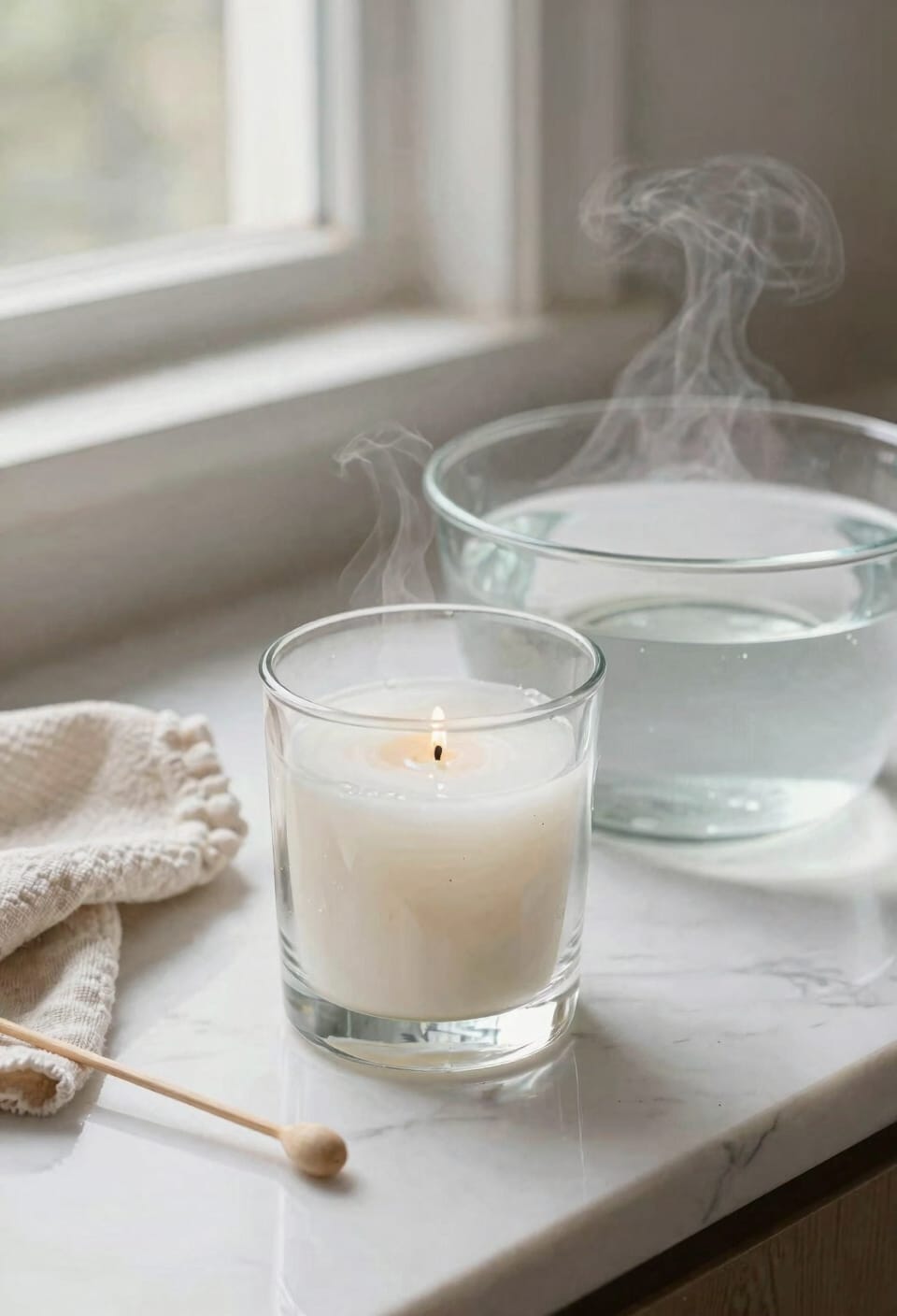
If you’ve got hot water and patience measured in hours rather than minutes, the hot water method is your most straightforward path to a clean glass holder. Here’s the thing: you’ll place your glass in a bowl to catch spills, pour hot water into the jar, and let it sit overnight. The quick melting temperature control works because heat softens the wax without forcing it—it naturally floats to the water’s surface where you can peel it away once it cools. Safety considerations matter here; use hot, not boiling, water to avoid thermal shock that cracks glass. Afterward, wash everything with soap and warm water. It’s honestly the laziest method that actually works, which I deeply respect.
The Freezer Method: Best for Tealights
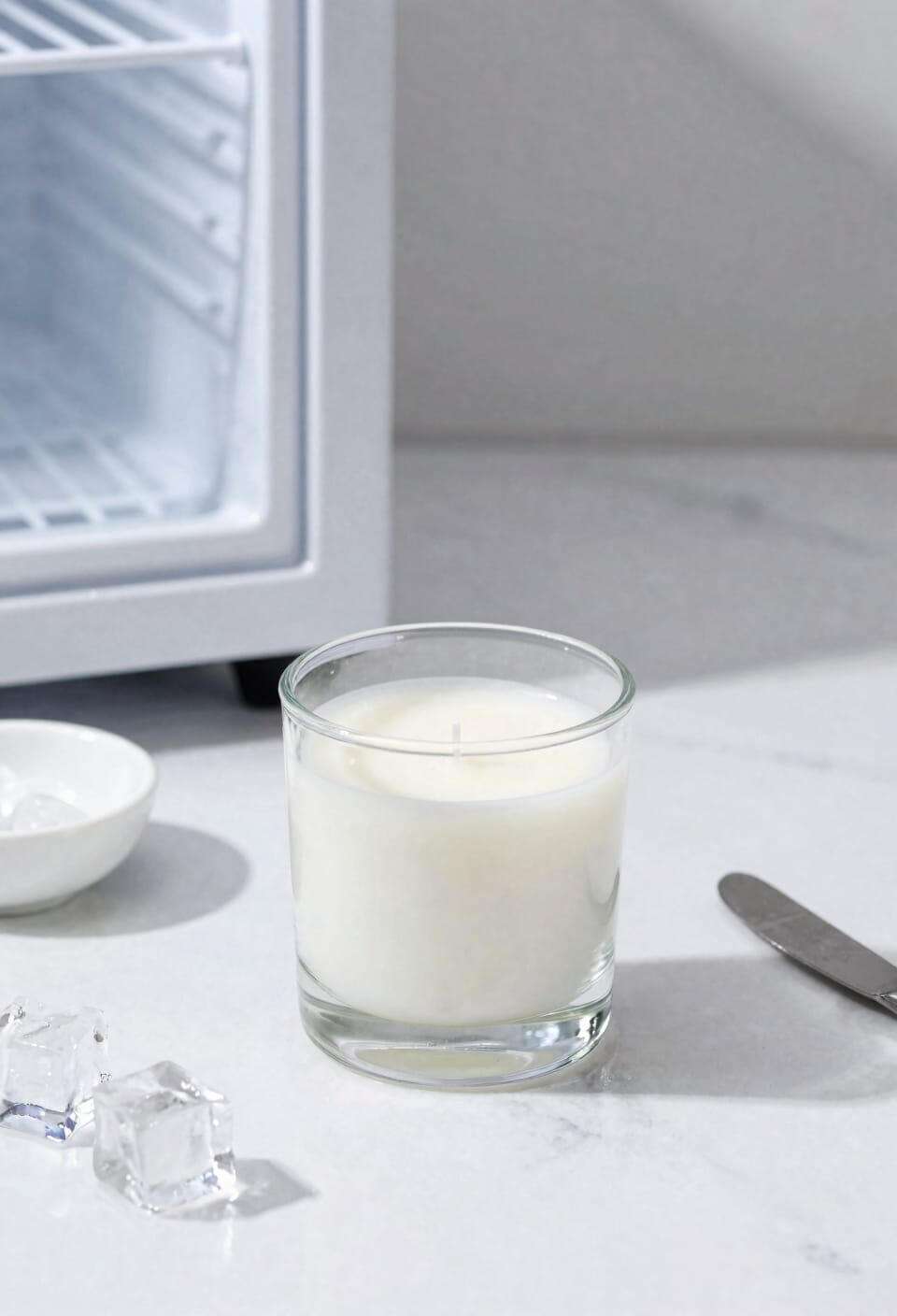
When you’re dealing with tealight holders—those petite glass cups that seem designed specifically to trap wax—the freezer method works like a charm because cold does what heat won’t: it makes wax contract and release its grip on the glass. Pop your holder in the freezer for at least an hour, then watch the magic happen. The wax shrinks away from the sides, and you can literally peel or tap it free. It’s perfect for compact storage situations where you’ve got stacks of these little guys piling up. Once the wax comes out, clean residue with baby oil and a cloth. You’ve just reclaimed a holder for creative reuse—whether that’s fresh candles or something entirely different.
Melt Wax With a Candle Warmer
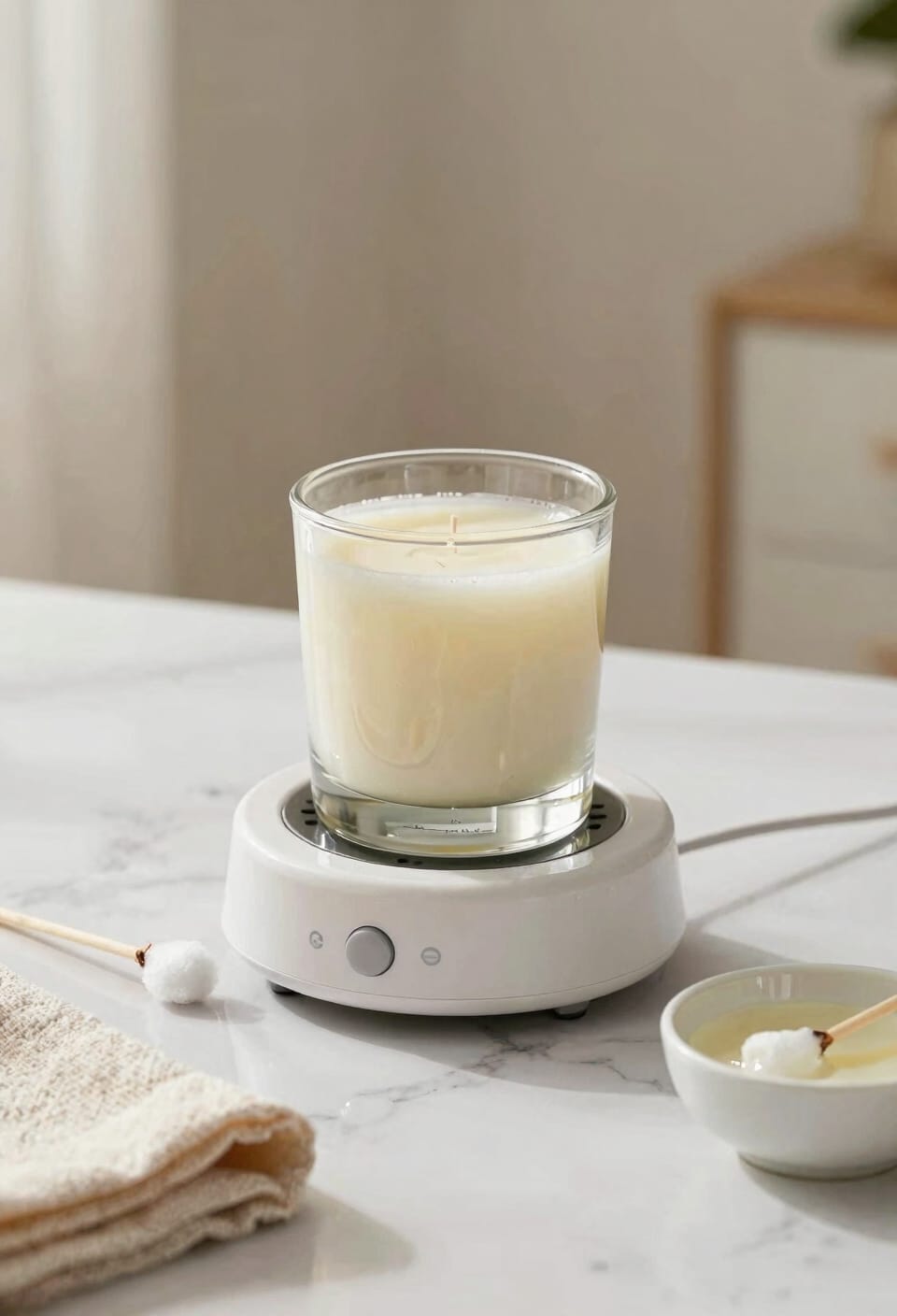
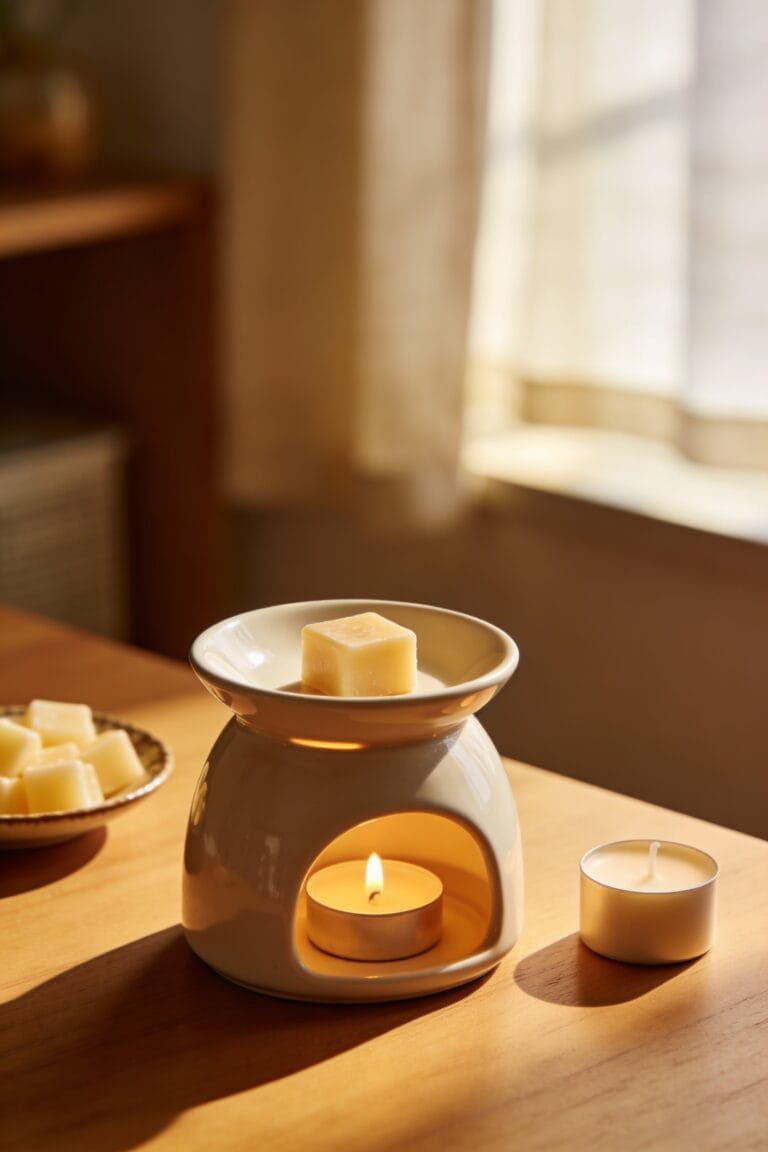
Now, if you’ve got a candle warmer sitting around—that little heating plate designed to gently warm a candle from underneath instead of lighting a wick—you’ve actually got a surprisingly effective tool for rescuing wax-filled glass holders. Position your glass jar on the warmer and let it run for two to three hours until the wax fully melts. Here’s the thing: the glass’ll get hot, so grab a towel or mitt before handling it. Pour the melted wax onto a napkin placed on a plate for easy wax disposal. Gently scrape any stubborn remnants, then wipe with a warm damp cloth. This method beats risk-taking with candle safety concerns because you’re controlling the heat perfectly, not gambling with open flames.
Soften Wax With a Hair Dryer
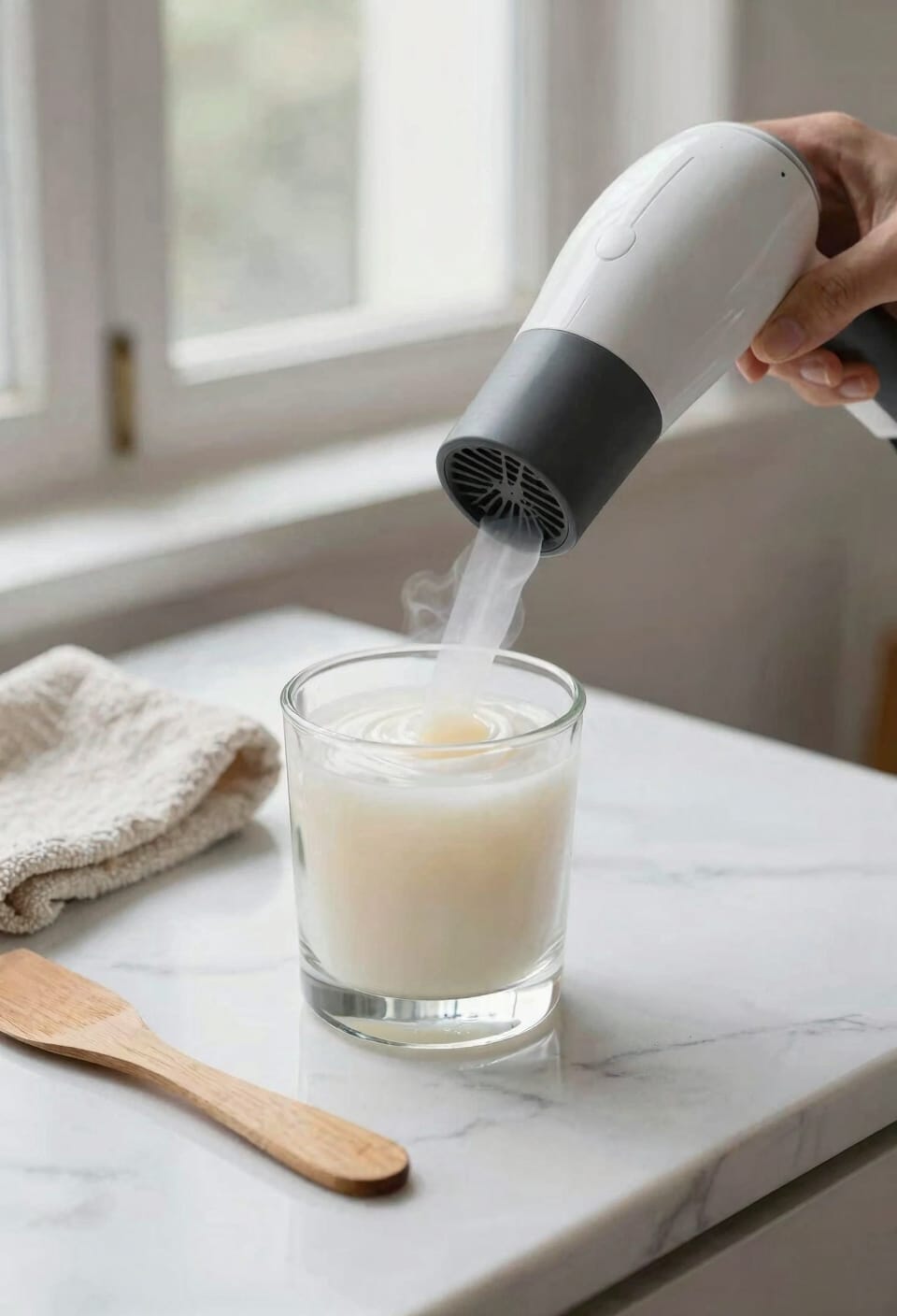
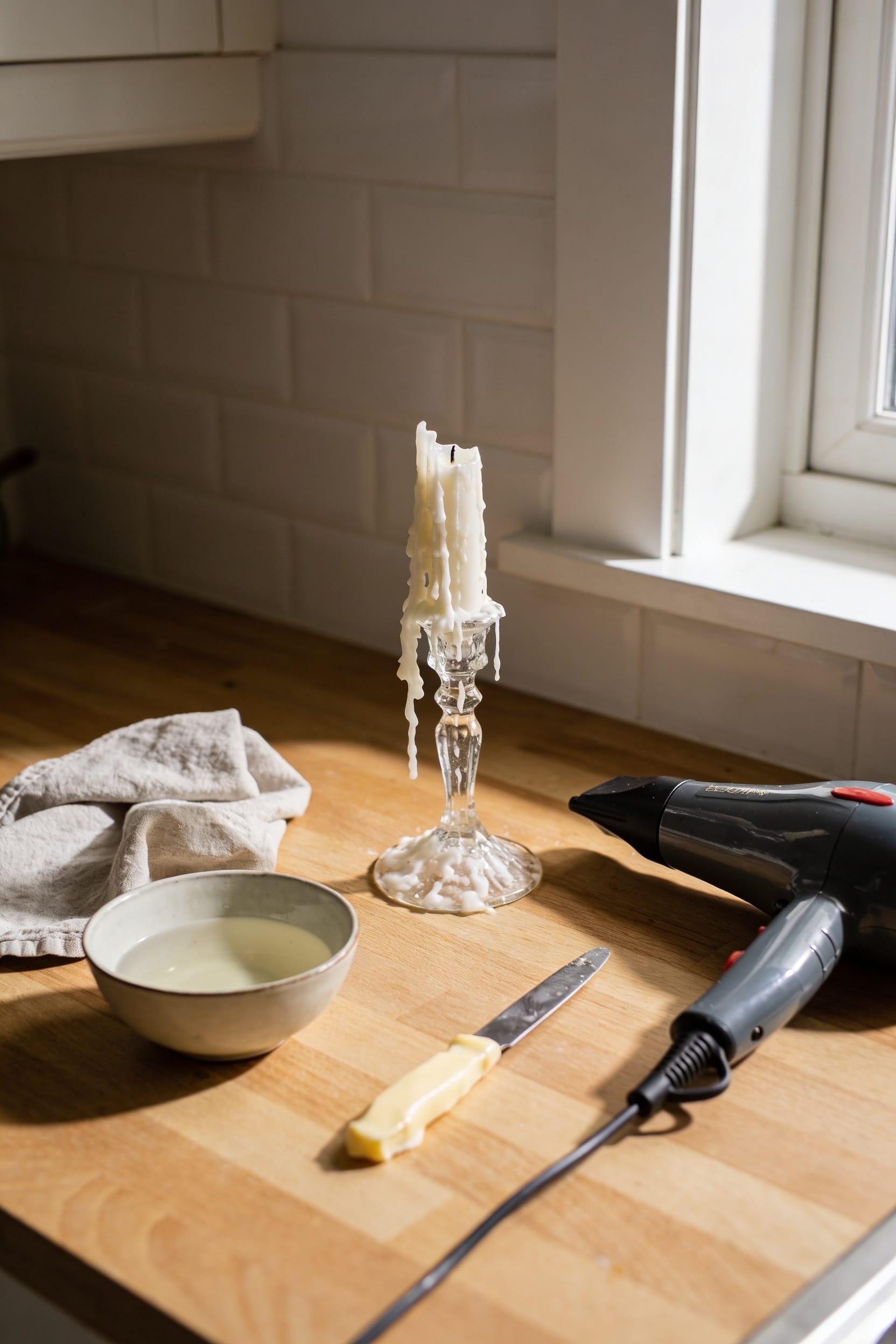
A hair dryer’s basically a heat gun that won’t terrify your glassware, and it’s one of my favorite low-stakes methods for tackling stubborn wax. Set yours to low or medium heat—hairdryer safety means respecting that thing’s power. You’re softening the wax, not launching it across your kitchen. Hold it a few inches away and watch the wax turn pliable and shrink back from the glass edges. Once it’s workable, peel it off with your fingers. Here’s the thing: avoid full melting, which’ll cause drips and basically undo your progress. Afterward, spray vinegar solution or all-purpose cleaner on any residue, then wipe gently with a cloth. No vigorous scrubbing necessary.
Remove Wax Residue With Glass Cleaner
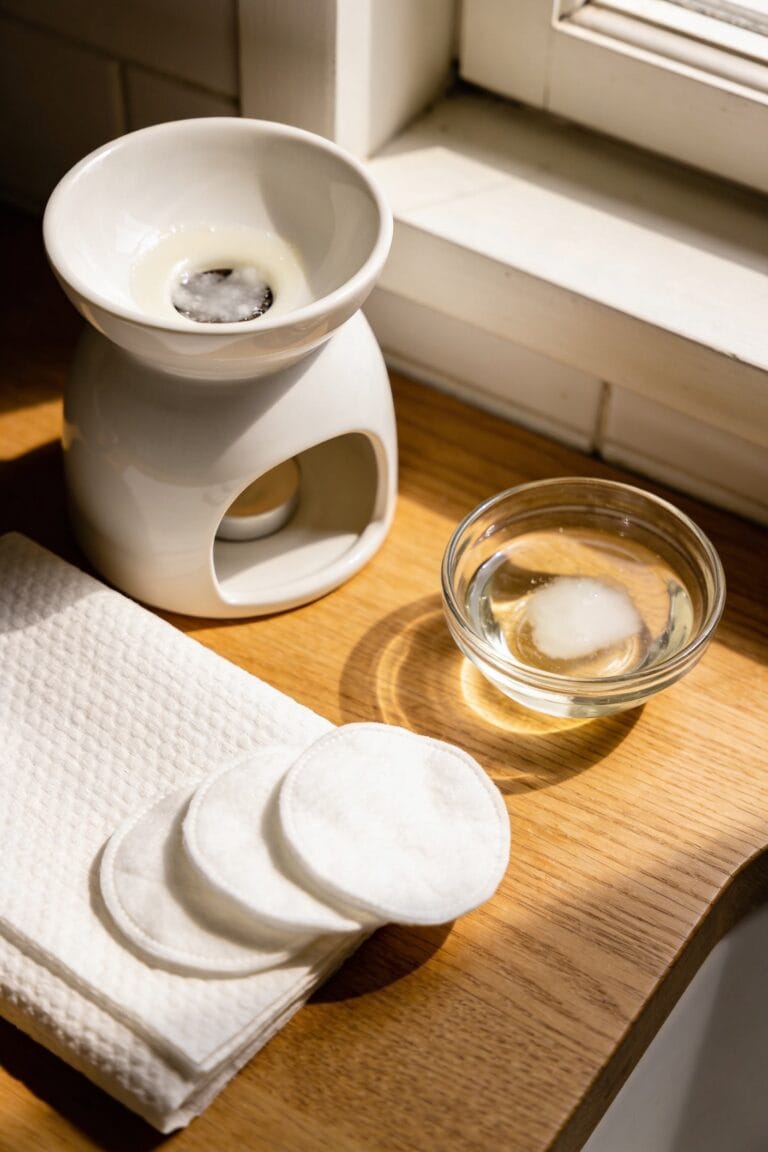
If you’ve got stubborn wax residue clinging to your glass like it’s got a personal vendetta, glass cleaner‘s your secret weapon—and I mean the regular stuff you probably already have under your sink. Spray it generously over any remaining waxy buildup and let it sit for a moment. Wipe with a paper towel, then repeat if needed. This method tackles both the wax itself and handles scent removal simultaneously, especially helpful if your candle’s lingering fragrance is overpowering. You’ll appreciate the streak prevention that quality glass cleaner provides—your holders won’t look cloudy afterward. Rinse everything with warm soapy water, then finish with a damp cloth. Your glass will be crystal clear and residue-free, ready for your next candle adventure.
Scrape Wax Without Scratching Glass
Scraping away wax without gouging your glass requires restraint—and I say that as someone who’s definitely attacked a stubborn chunk with fingernail determination and paid the price with scratches. Here’s the thing: you’ve got options that won’t destroy your vessel.
Use a plastic scraper or old credit card instead of metal tools. They’re firm enough to lift wax but won’t leave marks. A rubber pad underneath prevents slipping and protects your work surface. For delicate situations, try a felt cloth—it sounds counterintuitive, but gently rubbing with felt can loosen dried wax without damage.
Work slowly. Patience isn’t glamorous, but your glass will thank you. Remove large chunks first, then tackle residue with these gentler methods.
Frequently Asked Questions
Can I Use the Same Method for All Types of Glass Candle Holders?
Not entirely. I’d recommend checking your holder’s heat tolerance first, as delicate or thin glass may crack with hot water or freezer methods. Different finishes also require gentler approaches to avoid damage.
Is It Safe to Use These Methods on Antique or Vintage Glassware?
I’d recommend consulting a collector before attempting any method on antique pieces. They’re valuable, and antique preservation requires caution. The freezer method’s gentlest, but professional cleaning’s often safest for vintage glassware.
What Should I Do if Wax Has Stained or Discolored the Glass?
Like a shadow lifting from dawn’s first light, I’d recommend using vinegar or glass cleaner for stain removal first. For stubborn color restoration, I’d try rubbing alcohol or a bio-based spot cleaner following fabric instructions.
How Can I Prevent Wax Buildup in Candle Holders in the Future?
I’d recommend establishing regular maintenance by cleaning your holders monthly. Use a smart placement strategy—position candles on protective surfaces and trim wicks to prevent excess dripping, which’ll noticeably reduce buildup.
Are There Any Methods Unsafe for Delicate or Thin-Walled Glass Containers?
I’d compare delicate glass to fragile ice—one wrong move shatters it. You’ll want to avoid plunging containers into extreme temperature changes, which causes thermal shock. Skip abrasive scrubbing and high pressure that risk pressure cracks.
Conclusion
Look, you’ve got options now, and they’re all solid. I’ve thrown everything at this problem—hair dryers, freezers, the whole toolkit—and honestly, they all work. The real lesson here is that an ounce of prevention beats a pound of cure. Trim those wicks, burn your candles properly, and you’ll spend way less time scraping glass. Your candles deserve better, and so do you.