As an Amazon Associate, we earn from qualifying purchases. Some links on this site are affiliate links at no extra cost to you. Our recommendations are based on thorough research and editorial judgment.

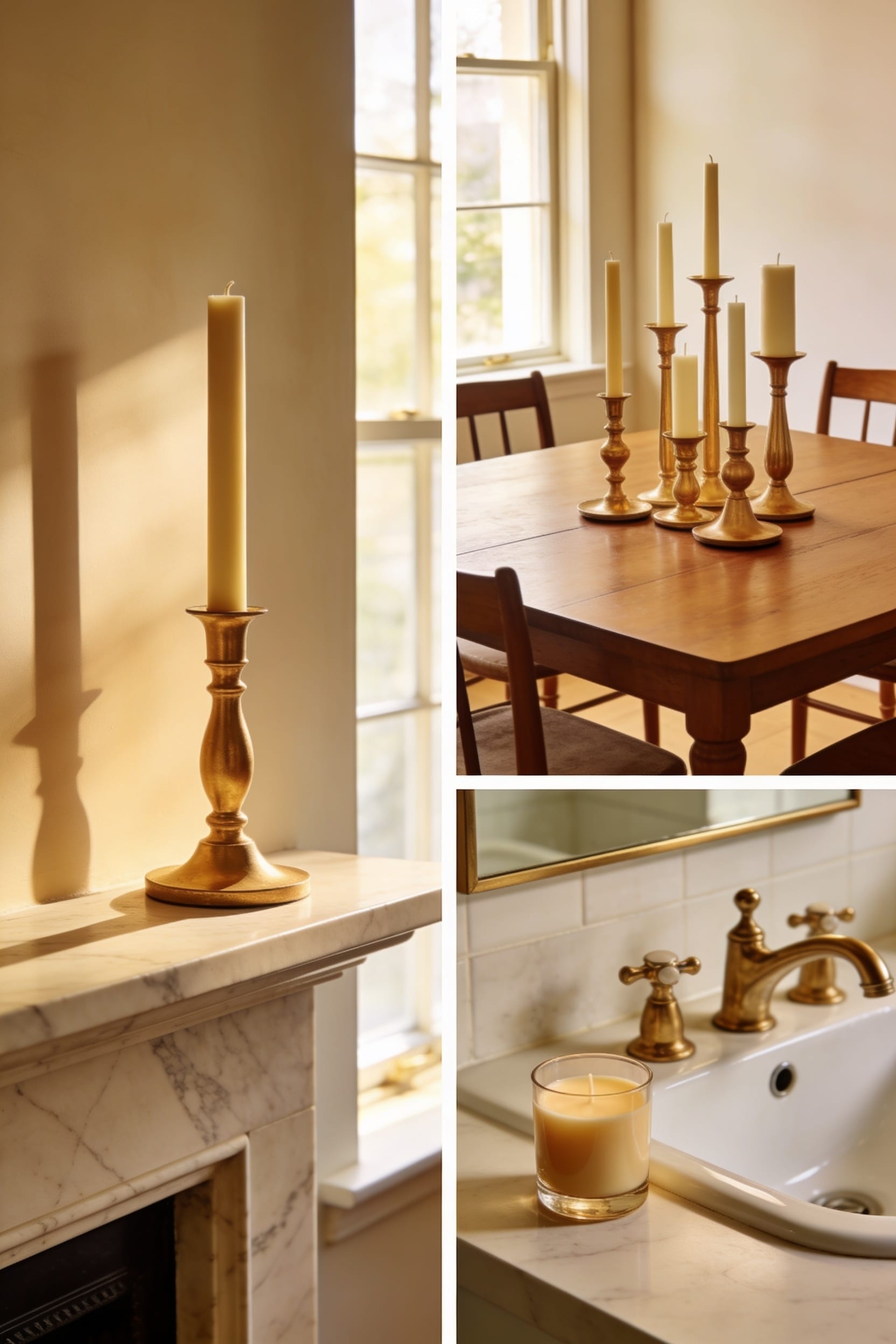
Where to Put Candle Holders: Best Spots for Safety & Style

All right, here’s the thing: your candle holder’s location makes or breaks the whole operation. I’d put it on a heat-resistant, stable surface—glass, ceramic, or metal work great—away from drafts, curtains, and high-traffic zones where someone’ll inevitably knock it over. Keep it out of bedrooms and bathrooms entirely; the fire risk isn’t worth the ambiance. Living rooms and dining tables are your sweet spots. Space multiple candles at least three inches apart so flames don’t interfere with each other. Get the placement right and you’ll notice cleaner burns, longer life, and way fewer disasters to regret.
Key Takeaways
- Place candle holders on heat-resistant, stable surfaces like glass, ceramic, or metal away from flammable materials.
- Space multiple candles at least three inches apart on open, clutter-free surfaces to prevent flame interference.
- Avoid bedrooms, bathrooms, windows, high-traffic areas, and locations accessible to children or pets.
- Position candle holders away from drafts, ceiling fans, and overhead hazards for even burning and safety.
- Use weighted bases, anti-slip surfaces, and adhesive stabilizers to prevent tipping and secure arrangements.
Why Safe Placement Matters
I’ve watched too many people treat candle placement like it doesn’t matter, and then I’ve watched their curtains get way too interested in their flame. That’s where fire education comes in—not to scare you, but to keep you from becoming a cautionary tale at dinner parties.
Placement psychology plays a bigger role than you’d think. We’re drawn to putting candles where they look pretty, right next to our favorite blanket or stacked books. But here’s the reality: a candle doesn’t care about aesthetics. It cares about burning, and it’ll do that job regardless of what’s nearby.
When you position your candle thoughtfully—away from drafts, flammable materials, and high-traffic zones—you’re not just preventing disasters. You’re actually letting the candle burn better, cleaner, and longer. That’s the win-win nobody talks about.
Choosing Heat-Resistant, Tip-Proof Surfaces
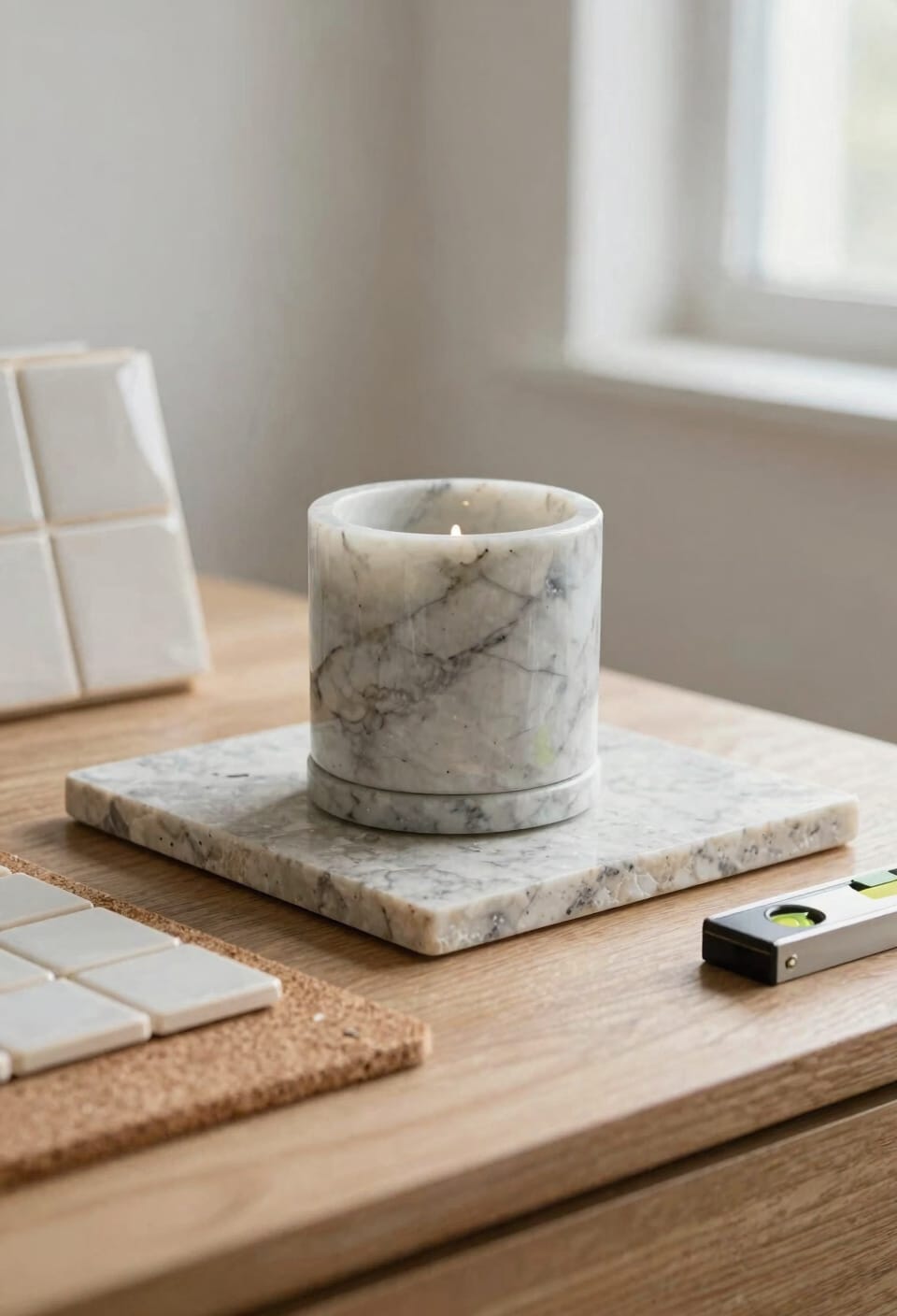
Pick the right surface and you’ve already won half the battle. I’m talking about finding something genuinely heat resistant—not just *looks* sturdy but actually withstands the thermal testing that matters. Your candle holder needs an anti-slip base so it doesn’t skate across your nightstand like a tiny wax-filled hockey puck. Check your surface level before committing; uneven spots are knockover invitations waiting to happen. Glass, ceramic, and metal holders work best because they don’t absorb heat or catch fire, obviously. Look for holders with weighted bottoms and non-flammable materials. Your coffee table’s doing double duty as your candle stage, so make sure it’s genuinely stable and clutter-free. That’s not negotiable.
The High-Risk Zones to Avoid
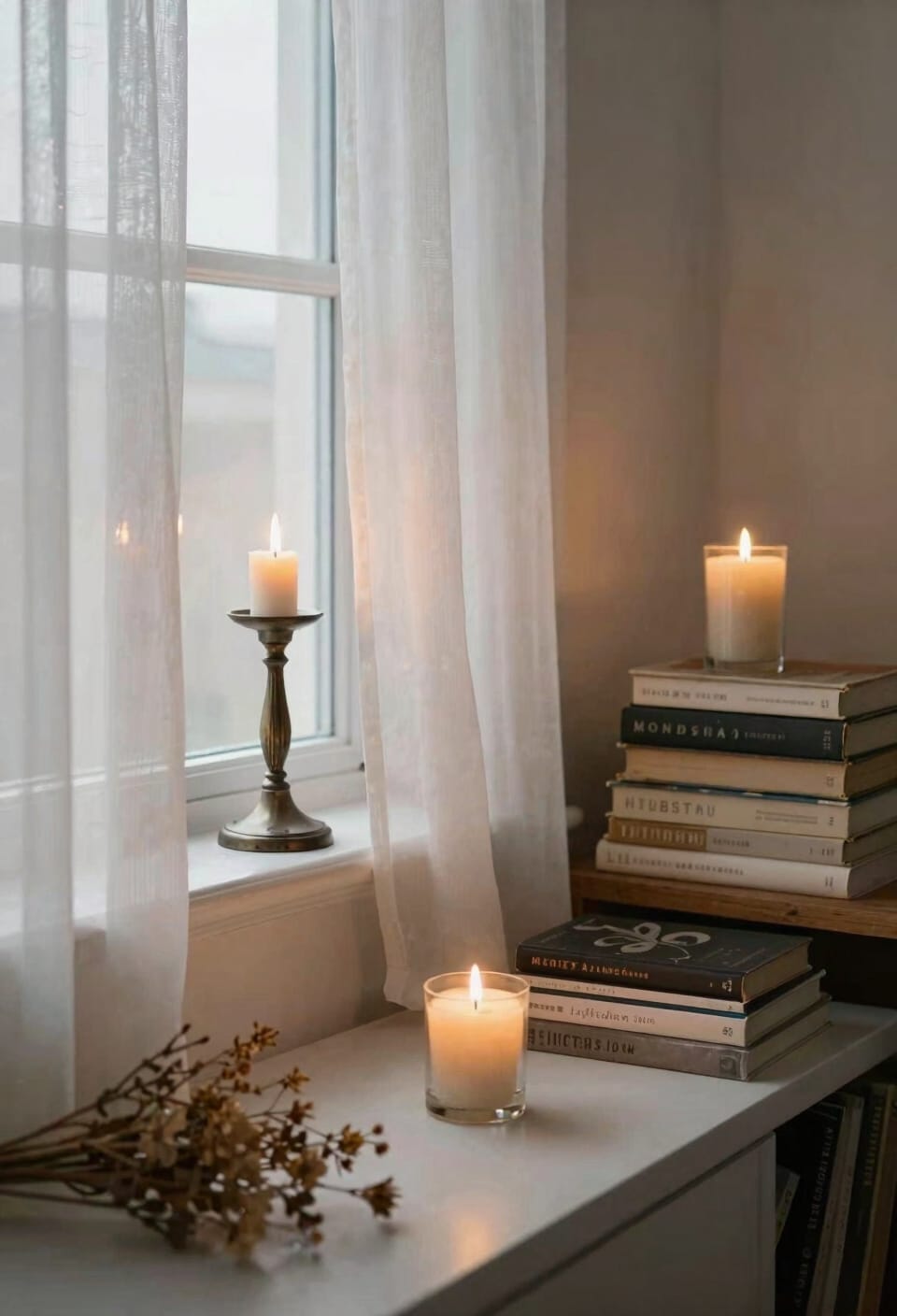
Now that you’ve got a solid surface locked down, let’s talk about where *not* to put that candle holder, because the best surface in the world won’t save you if you’ve nestled it next to your bedroom curtains or positioned it directly under a ceiling fan. Bedrooms are basically open flame zones waiting to happen—especially if you’re the type to light a candle and drift off mid-scroll. Avoid high-traffic areas where someone’ll inevitably knock it over. Keep it away from ignition sources like curtains, papers, and bedding. Windows and air vents are enemies too; they’ll make your flame dance erratically and waste wax. Skip cluttered shelves. Never place candles where kids or pets can reach them. Think strategically about airflow and what’s nearby before you light anything.
How Far Apart Should Candles Be?
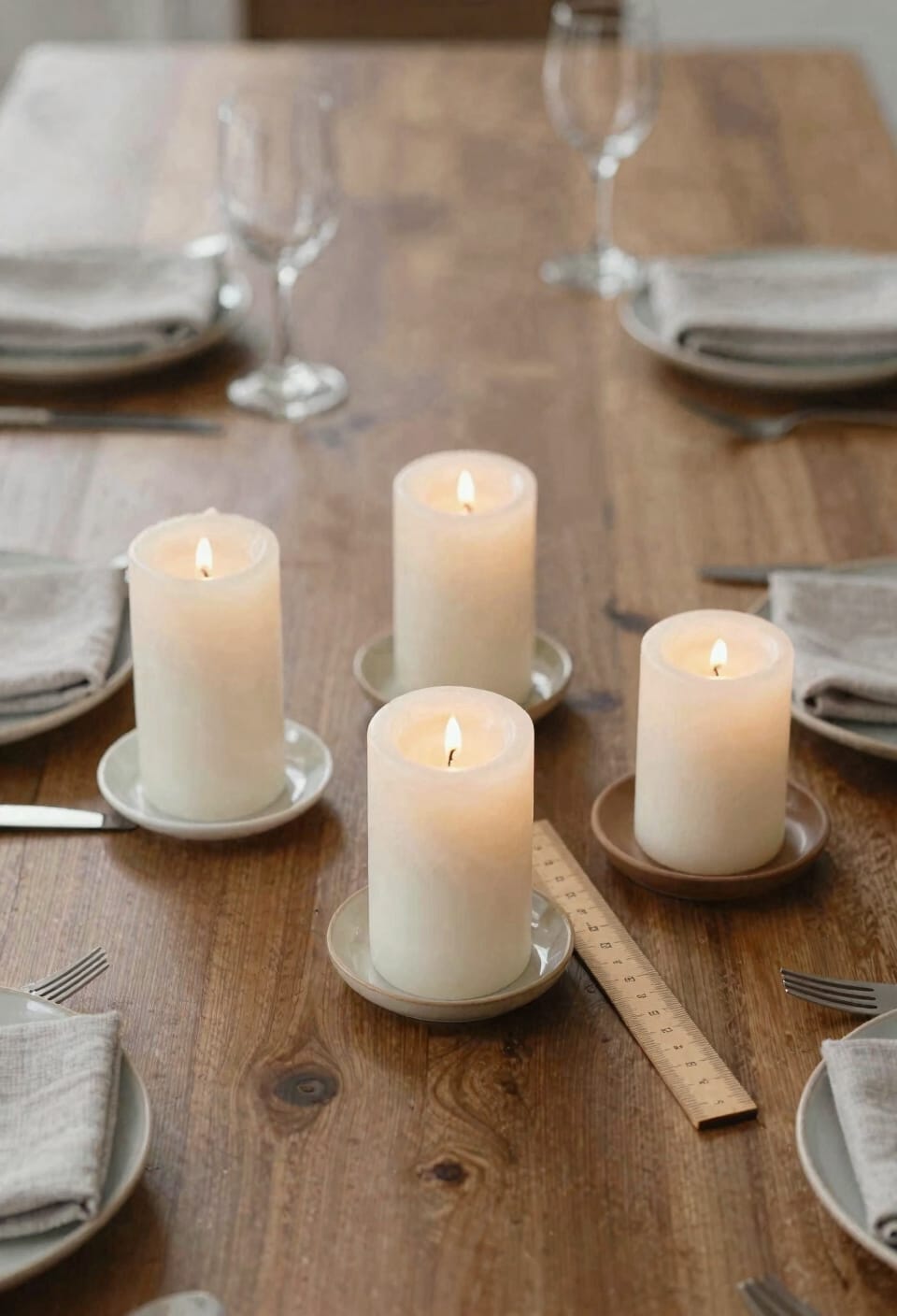
Burning multiple candles at once is genuinely nice—it fills a room faster, creates better ambiance, and honestly makes your space smell like you’ve got your life together. But here’s the thing: you can’t just crowd them together like they’re at a concert. I’d space them at least three inches apart from each other. This wider spacing keeps flames from interfering with one another and prevents uneven burning or surprise flare-ups. Think of it like this—each candle needs its own breathing room. The flame distance matters too. Too close, and you’re basically creating a tiny wax inferno instead of a cozy glow. Give each candle personal space, and they’ll burn more evenly and safely.
Securing Candles So They Don’t Tip Over
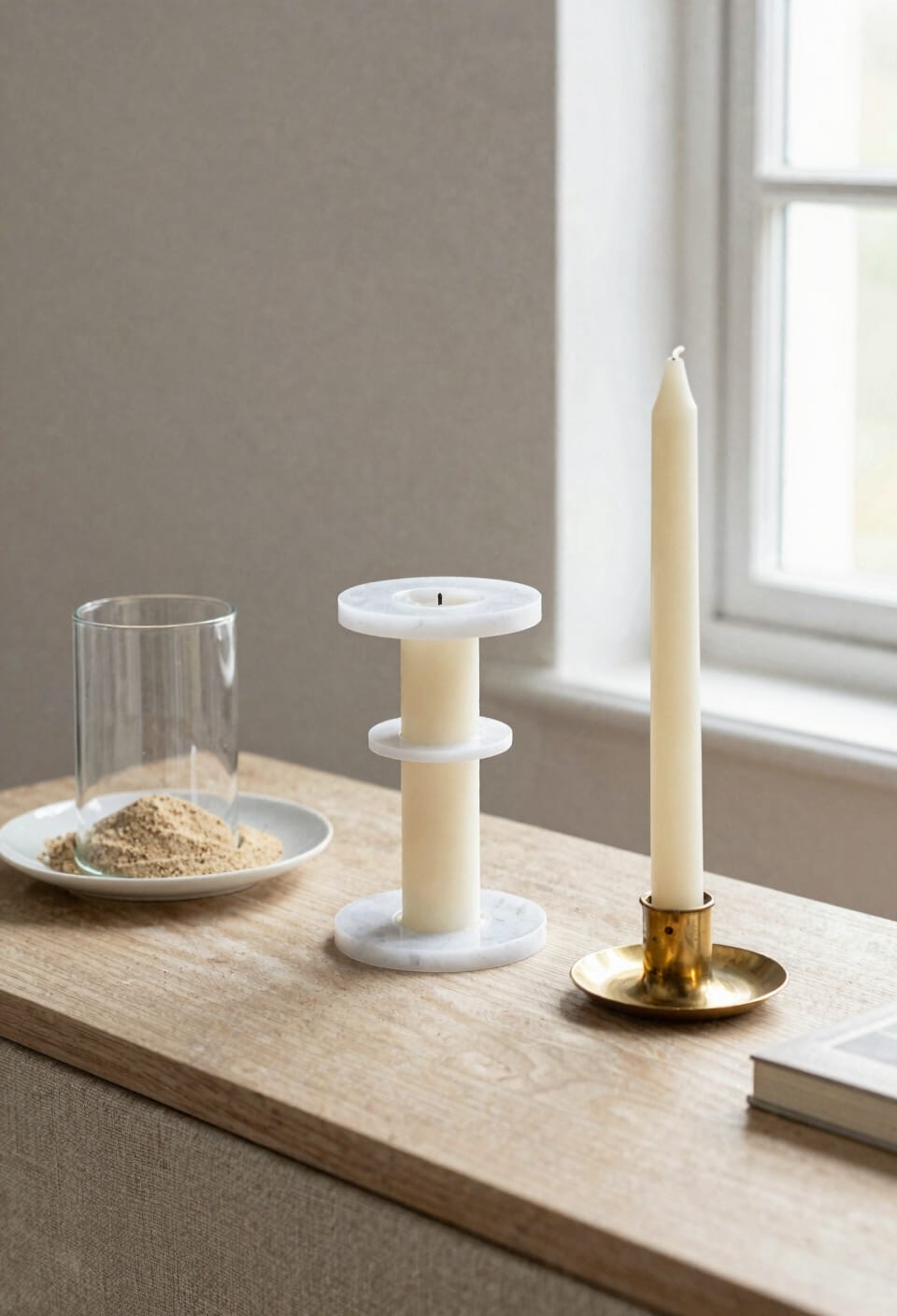
A tipped-over candle is basically a tiny disaster waiting to happen—one wrong elbow bump, a curious pet, or just the simple laws of physics catching up with you, and suddenly you’ve got melted wax all over your table (or worse, a fire hazard). I’ve learned this the hard way, so here’s what actually works: place candles in table centers where they’re hardest to knock over accidentally. For tapers specifically, use adhesive bases like sticky tack or museum wax to lock them down—sounds overkill until your cat proves otherwise. Weighted stems help too, giving your candles that low center of gravity that keeps them standing proud. You can even melt wax into the holder base for permanent taper security. These methods aren’t fancy, but they’re foolproof.
Safe Candle Placement in Living Rooms and Dining Areas
Between the traffic patterns, furniture arrangements, and the occasional dinner guest who gestures wildly while telling stories, your living room and dining area present some real placement challenges—but they’re also the rooms where candles do their best work, so you’ve got to get this right. I’d place them on dining tables as cozy focal points, centered and away from where someone might bump them mid-conversation. For ambient layering, use the mantelpiece or a sturdy side table, keeping everything at least three feet from curtains and upholstered furniture. Never nestle candles into cluttered shelves or near books. Your coffee table? Skip it entirely—too much traffic. Think about sightlines too. You want that glow visible but not blocking faces across the table. That’s when candles actually earn their keep.
Why Bedrooms and Bathrooms Are Off-Limits
Now, I know it’s tempting to create a cozy bedtime ambiance with a flickering candle on your nightstand—that whole wind-down vibe is real—but here’s the thing: bedrooms and bathrooms are where candles go to cause trouble. You’re tired. You’re drowsy. You fall asleep, and suddenly you’ve got a nocturnal firehazard burning unattended next to your pillow. Not great. Bathrooms present their own mess: humidity warps wicks, steam causes uneven burning, and moisture near an open flame is basically asking for problems. Beyond safety, there’s the privacy concerns angle—bathrooms are intimate spaces where guests shouldn’t stumble upon your personal candle collection anyway. Keep your bedroom and bathroom candle-free. Your fire insurance will thank you, and honestly, so will your smoke detector.
Arranging Multiple Candles Without Sacrificing Safety
So you’ve ruled out the bedroom and bathroom—smart call—and now you’re standing in your living room wondering if you can cluster a bunch of candles together without turning your coffee table into a fire investigation waiting to happen.
Here’s the thing: you absolutely can arrange multiple candles, but spacing matters. Keep each flame at least three inches apart so they’re not competing for oxygen or creating heat pockets. Think about centerpiece layouts that feel intentional—a trio down your dining table’s middle beats random placement everywhere.
For seasonal groupings, cluster complementary scents and heights on sturdy, heat-resistant surfaces away from drafts. Position them where they won’t get knocked over during normal life. That’s it. Thoughtful arrangement beats chaos every time.
Common Placement Mistakes and How to Fix Them
Even the most well-intentioned candle lover can find themselves making placement decisions that practically guarantee regret. I’ve been there. The biggest mistake? Stuffing candles into tight corners or cluttered shelves where they’ll overheat nearby items. Move them to open table centers instead—you’ll prevent accidental fires and enjoy better airflow for even burning. Another common misstep involves wick trimming neglect paired with poor placement near curtains. A long, untrimmed wick creates excessive flame height and soot that travels straight onto your decor. Trim that wick to a quarter-inch before lighting. Finally, don’t let decor clashes fool you into unsafe spots. Just because a candle matches your bedroom aesthetic doesn’t mean it belongs there. Safety always wins the styling contest.
Frequently Asked Questions
Can I Use Candle Holders on Uneven or Carpeted Floors Safely?
I’d recommend caution with carpeted floors. You’ll want to use a level tool to check stability and avoid soft surfaces that risk wobble prevention issues. Decorative rugs pose heat damage risks, so place holders on hard flooring instead.
How Should I Store Unlit Candles When Not in Use?
I’d treat your candles like precious treasures locked away. Store them in high, locked cupboards in cool storage away from heat. I’d recommend glass containers that protect them while keeping everything organized and safe.
What Should I Check on Floor Candle Holders Before Burning?
Before I burn candles in floor holders, I check the wick condition for damage and the base stability to guarantee it won’t tip. I also inspect for wear, sharp edges, and confirm level placement on uneven surfaces.
Are There Specific Airflow Considerations for Even Candle Burning?
I’d absolutely avoid placing your candle where drafts’ll make that flame dance like it’s possessed. You’ll want zero wind interference—position away from windows, fans, and vents. Trim your wick to prevent wild flicker and guarantee even burning.
What Securing Methods Work Best for Taper Candles Specifically?
I’d recommend melting wax into your holder’s base for a secure fit, or use sticky tack at the taper’s base. Trim wick trimmings regularly and adjust wax collars to prevent wobbling and guarantee safe, even burning.
Conclusion
I want you to think of your candle setup like Icarus—beautiful when it flies right, catastrophic when it doesn’t. You’ve got the knowledge now. Safe placement isn’t boring; it’s the foundation that lets you actually enjoy candlelight without playing fire marshal in your own home. Respect the flame, trust the surfaces, and you’ll burn brilliantly for years to come.