As an Amazon Associate, we earn from qualifying purchases. Some links on this site are affiliate links at no extra cost to you. Our recommendations are based on thorough research and editorial judgment.

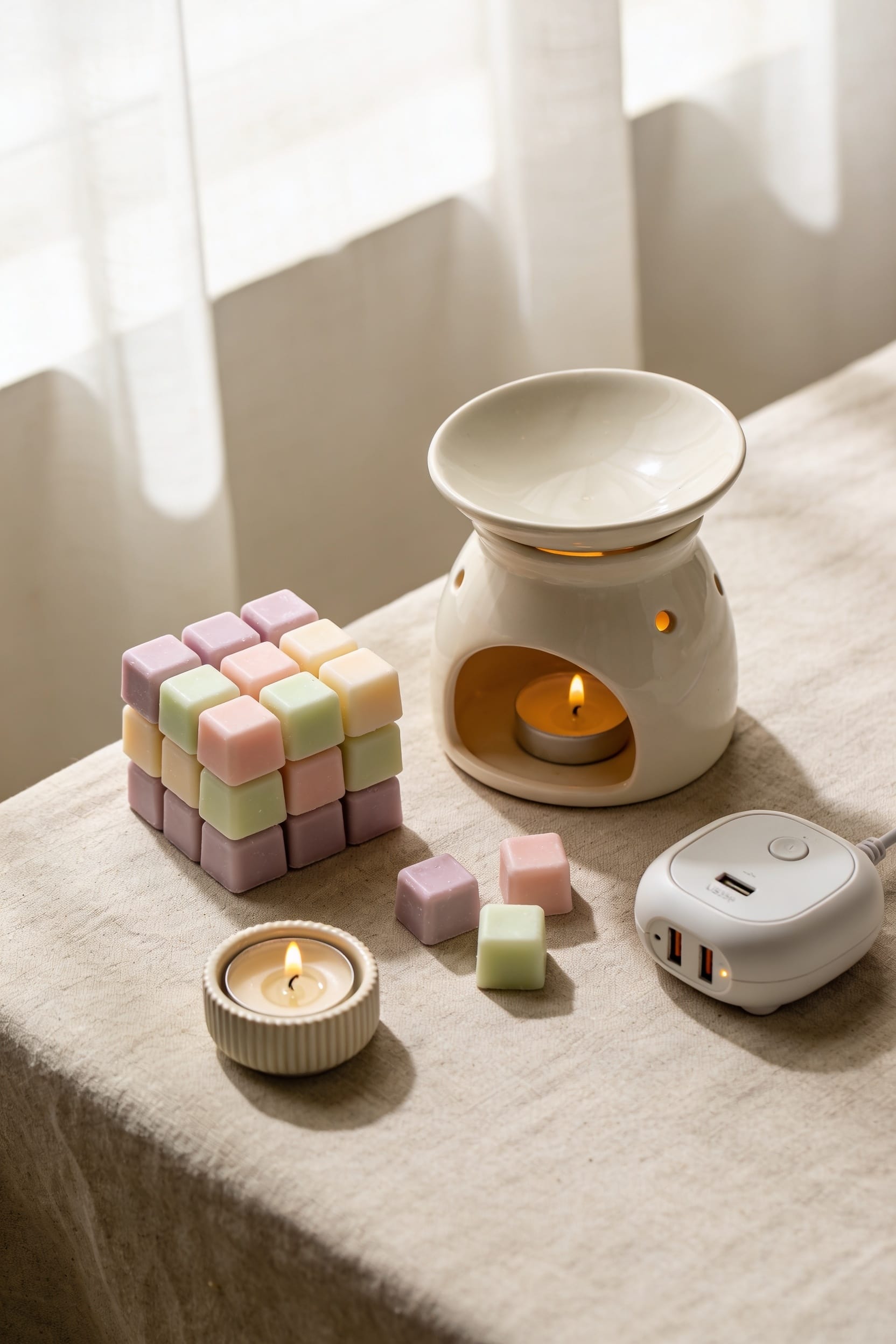
Do Wax Melts Need a Warmer? Alternatives and What Works Best

Wax melts don’t technically need a warmer, but cold wax is basically a scented paperweight—you’ll get almost nothing fragrance-wise. That’s why warmers exist: they gently heat the wax to its melting point so it actually diffuses. You’ve got options beyond buying one though. Electric warmers are consistent and safe, but a mason jar with hot water, microwave bursts, or even a radiator work surprisingly well if you’re on a budget. Soy wax handles gentle heat better than paraffin, and there’s definitely a right way and several spectacular wrong ways to handle this.
Key Takeaways
- Wax melts don’t technically require warmers but need gentle heat to diffuse fragrance effectively since cold wax emits only faint scent.
- Electric warmers provide consistent, flameless heat and maximize scent throw, making them ideal for reliable fragrance diffusion throughout your home.
- Budget-friendly alternatives include mason jars with hot water, microwaving in 10–15 second bursts, or placing melts on radiators and heating pads.
- Soy wax melts at lower temperatures and suits DIY methods like sun-warming and heat pads, while paraffin requires more careful handling.
- Fastest heating uses microwave or stovetop double boiler methods, but both demand close monitoring to prevent overheating and ensure safety.
Do Wax Melts Require a Warmer?
All right, let me clear this up right away: wax melts don’t technically *require* a warmer, but they’re really designed to have one. Cold wax will emit a faint scent, sure, but you’re basically leaving fragrance on the table. Warmers work by gently heating your melts to their melting points—that sweet spot where scent diffusion actually happens and fills your room instead of just sitting there being disappointing. Think of it like this: cold wax is a guitar unplugged. Does it still exist? Yes. Is it doing its job? Not really. You can get creative with hot water baths or radiators if you’re warmer-free, but an electric warmer gives you consistent, safe, flameless heat that actually maximizes what you paid for.
Standard Wax Warmers: Tealight, Electric, and Nightlight Options
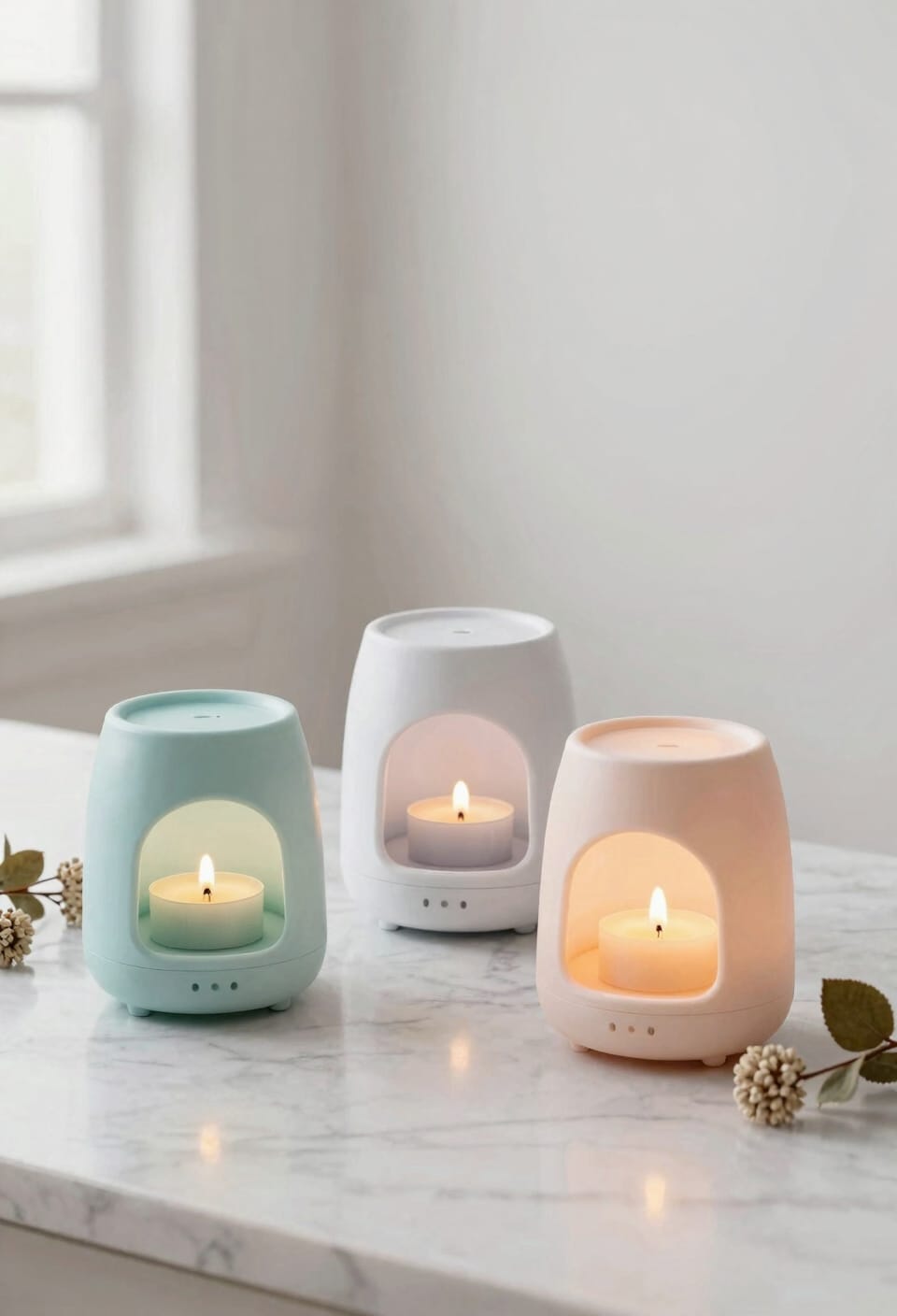
Now that you’ve decided a warmer is the way to go, you’ve got three main options to choose from, and honestly, each one has its moment depending on your setup and what kind of vibe you’re after.
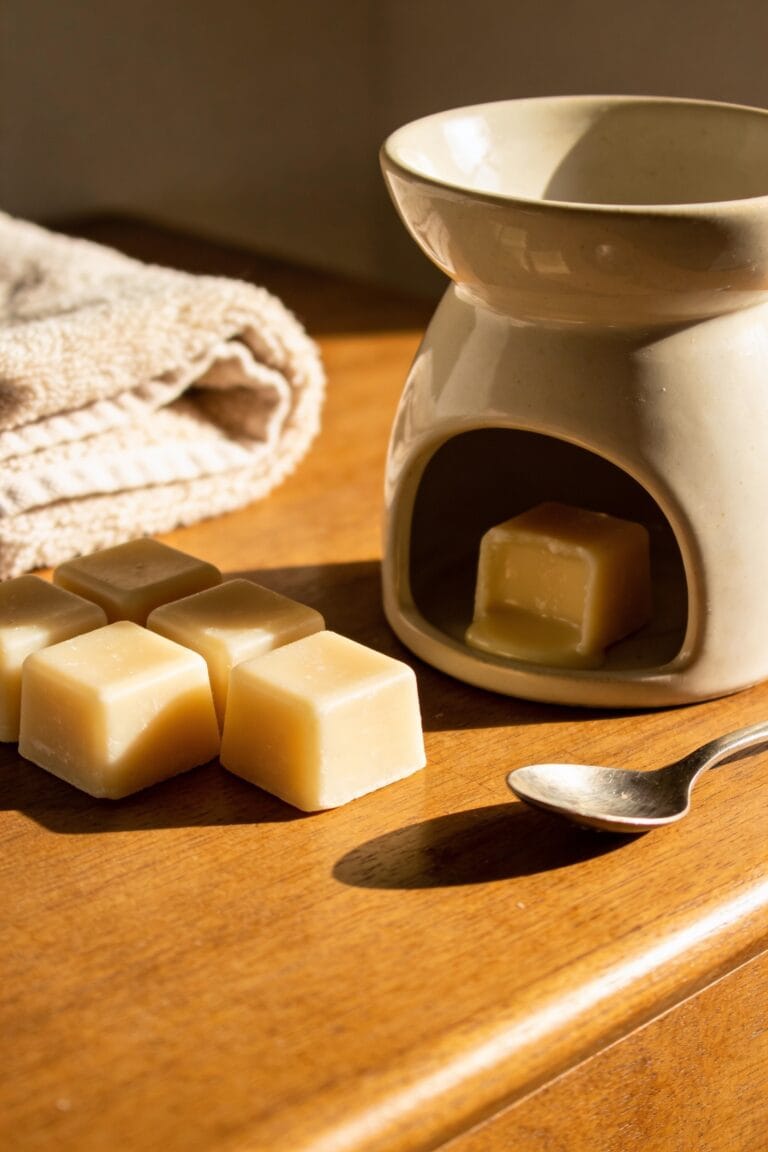
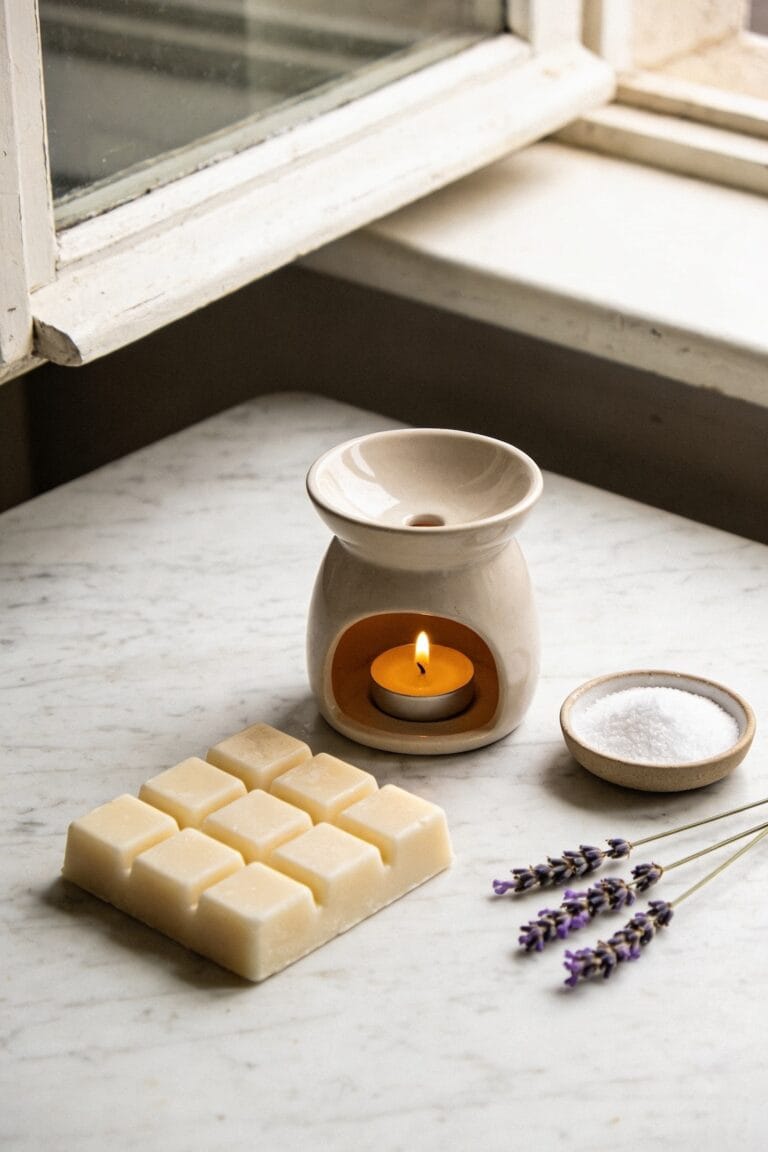
Tealight burners are the classic move—you place wax in a dish and light a candle underneath for gentle heat. Electric warmers plug straight in and offer consistent temperature without open flames, which means better scent throw and material durability since there’s no flame risk. Nightlight-style warmers are basically the lazy person’s dream: they plug into wall outlets for continuous, hands-off melting.
Break larger melts into six to eight pieces for single use. Position everything on non-flammable surfaces away from anything combustible.
Budget Alternatives: Heating Wax Melts Without Buying a Warmer
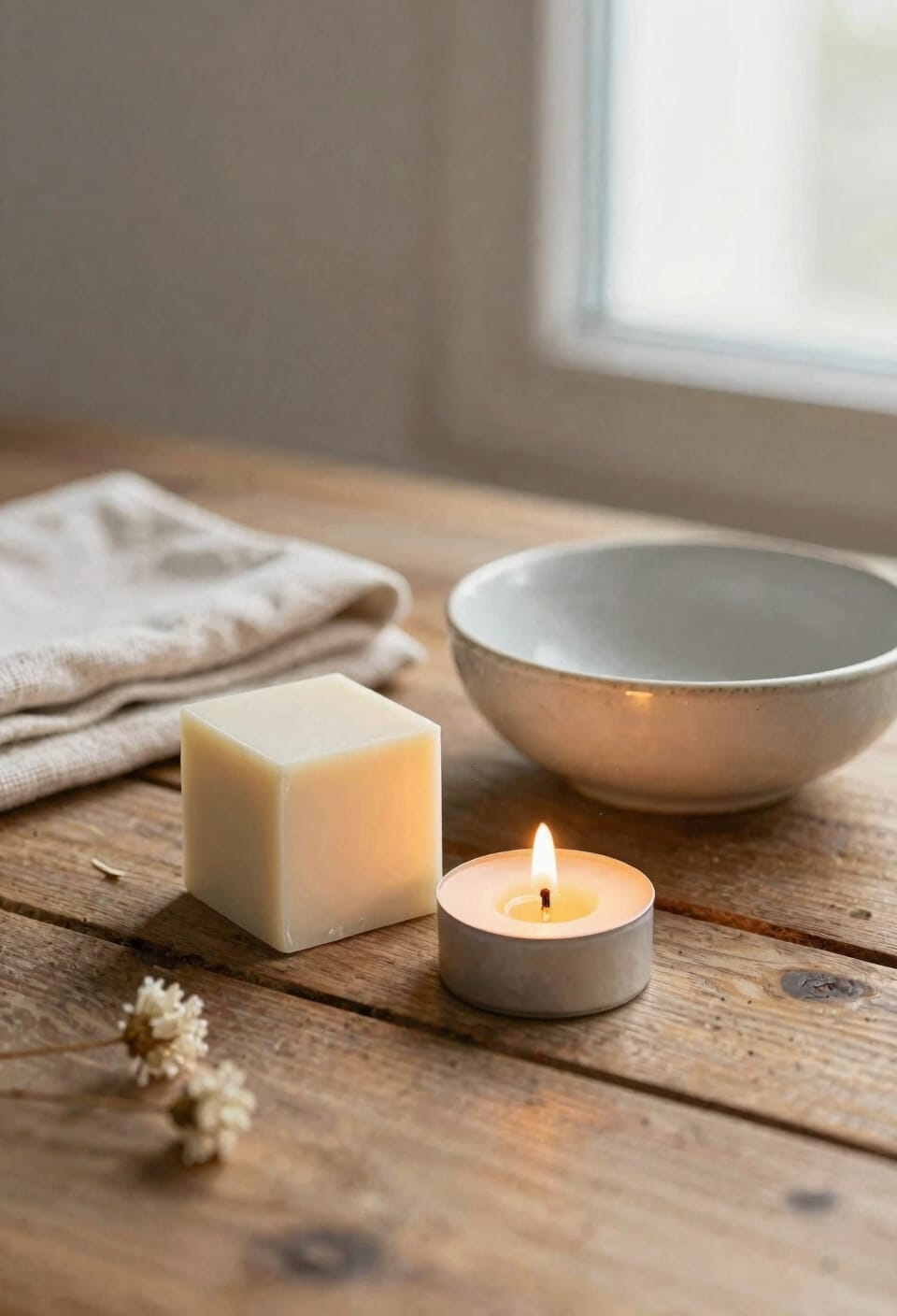
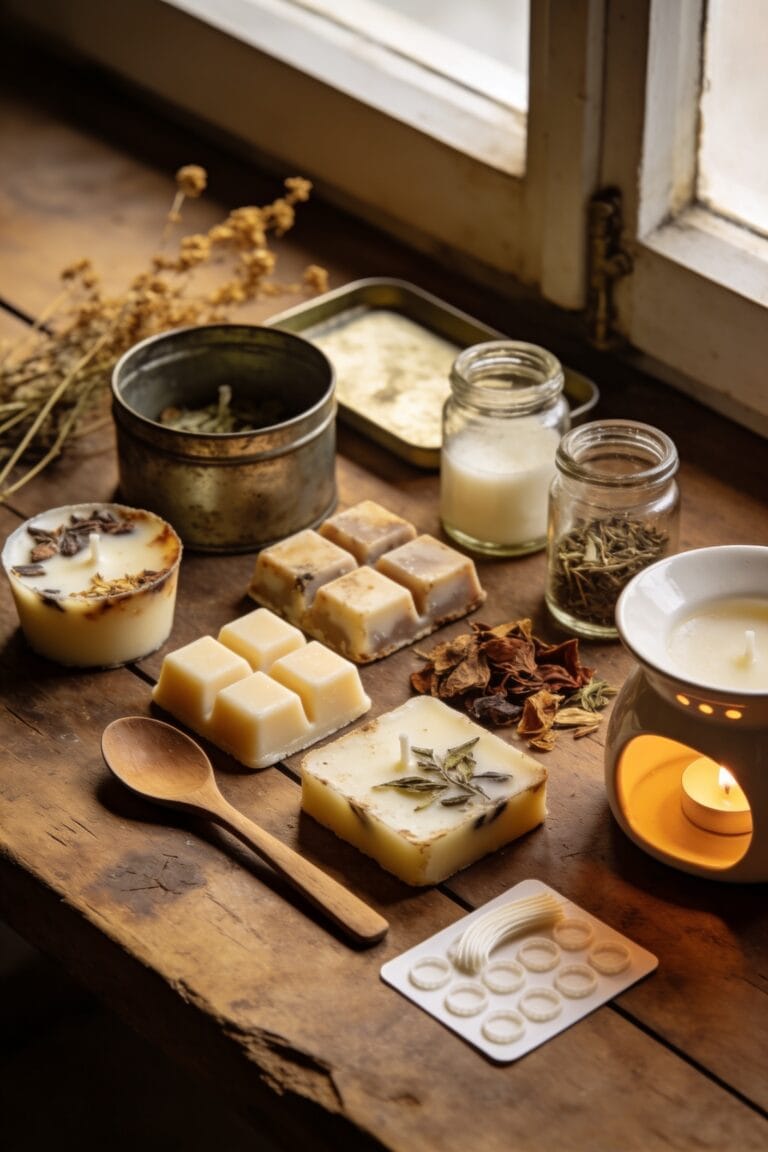
If you’re not ready to invest in a dedicated warmer, you’ve got surprisingly solid options hiding in your kitchen and around your house. A mason jar filled halfway with hot water works beautifully—nestle your wax melts inside and let the steam do the heavy lifting. Microwave heating in 10-15 second bursts is faster, though you’ll need a heat-safe dish. DIY diffusers are totally doable: try placing melts on a radiator or heating pad, or get creative with thrift hacks by repurposing old candle jars with a tealight underneath. Even sunlight works in a pinch. These budget alternatives won’t win style points, but they’ll release fragrance just fine. Your nose won’t know the difference.
Fastest Methods: Microwave and Stovetop Melting
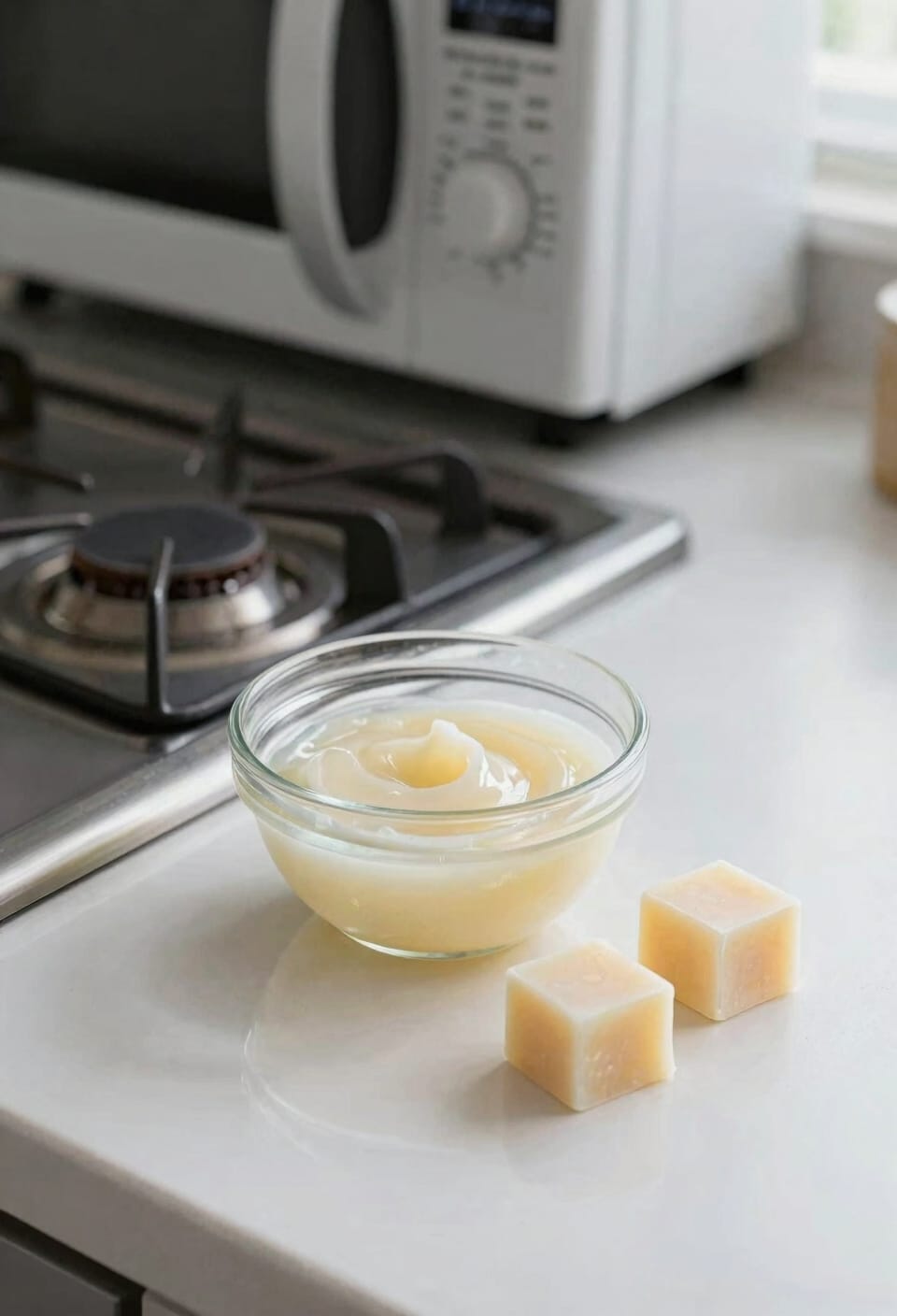
For microwave precautions, heat wax in a heat-safe dish for 10-15 second increments, checking between rounds. You’re not trying to weaponize your kitchen—just gently melt the wax until it releases fragrance. Watch it closely because melted wax can get surprisingly hot.
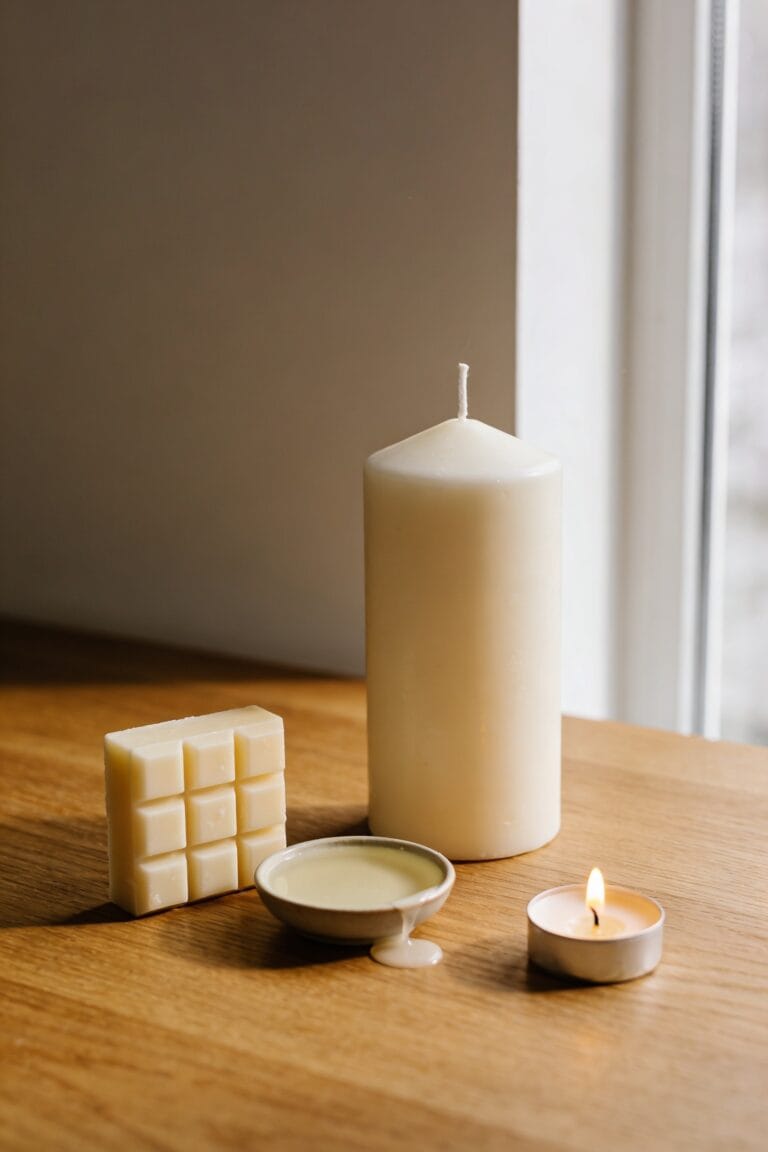
The stovetop technique works beautifully too. Place a bowl of wax over a pot of simmering water—that’s indirect heat, the gentler cousin of direct flame. The steam does the heavy lifting without scorching your melt or creating a fire hazard situation. Both methods work fast, but neither’s worth rushing through carelessly.
No-Electricity Heating: Sun, Radiators, and Heat Pads
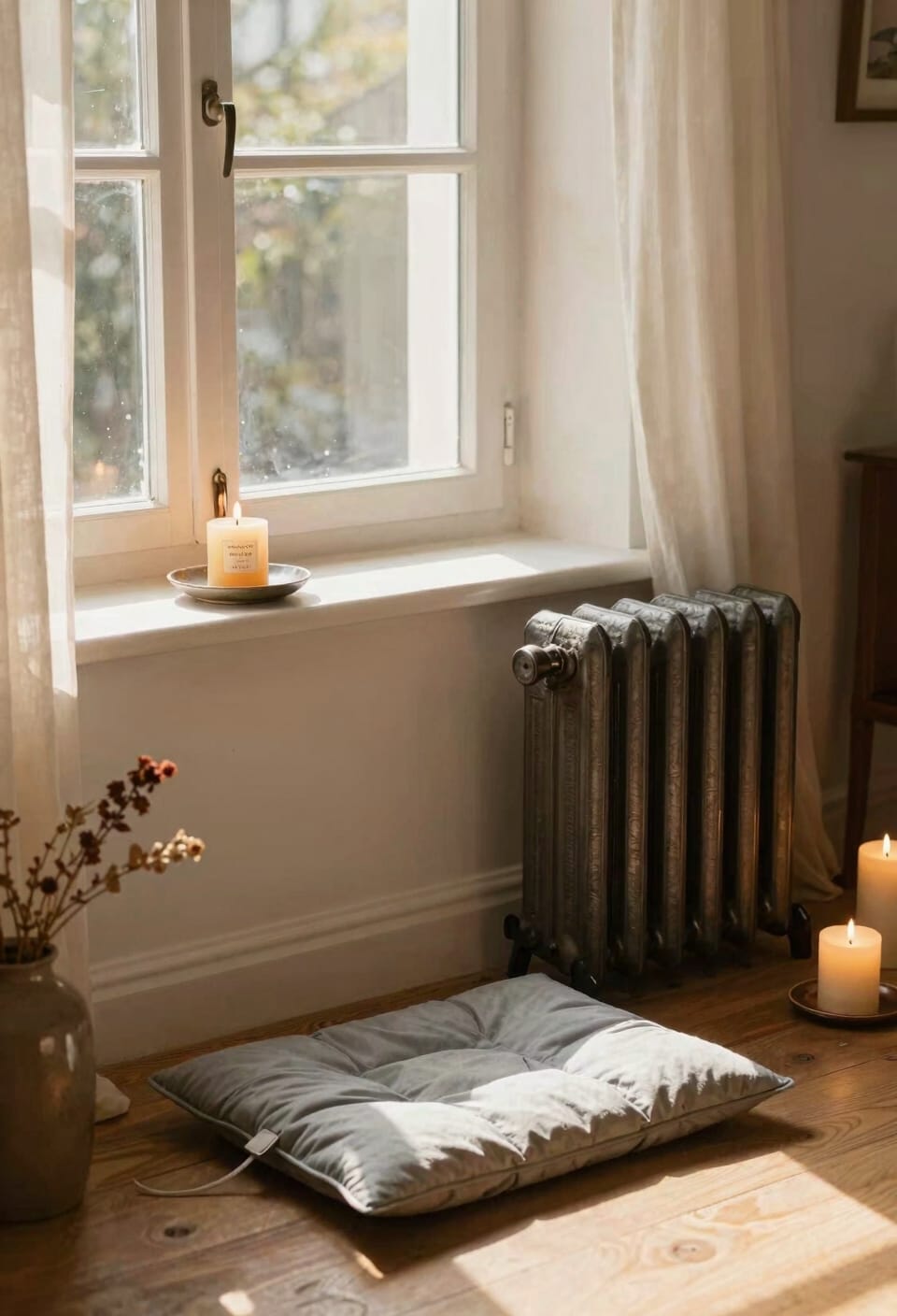
Once you step away from plugging things in or striking a match, you’ve got some genuinely clever ways to coax fragrance out of your wax melts—and they’re all powered by heat sources you probably already have sitting around your house.
Sun safe placement on a windowsill works beautifully during warmer months. Pop your wax in a shallow dish where sunlight hits directly, and patience does the heavy lifting. Radiators and heating vents offer low heat cooking that melts wax steadily without any electricity. A heating pad beneath a ceramic dish works similarly in a pinch. These methods take longer than electric warmers, but they’re portable, reliable, and genuinely free once you’ve got the setup dialed in.
Soy or Paraffin: Which Wax Works Best for Each Method?
The wax you choose matters way more than most people realize, especially when you’re experimenting with unconventional heating methods. Soy performance genuinely shines with creative options like radiators and heating pads because it melts at a lower, more controlled temperature. You won’t overheat it into a ruined puddle. Paraffin concerns are real though—this petroleum byproduct melts faster and hotter, making DIY methods riskier. It’s also less eco-friendly and burns quicker overall. For sun-warming or gentle heat pad setups, I’d honestly go soy every time. It’s 100% natural, burns cleaner, and lasts longer. Your alternative heating method deserves wax that won’t betray you halfway through the afternoon.
How to Heat Wax Safely at Home
Picking the right wax matters, but honestly, how you heat it matters just as much—maybe more, because a safety mistake can turn your cozy scent session into a real problem. You’ll want a solid safety checklist: use heat-safe containers only, never leave melting wax unattended, and keep everything away from flammables. Electric warmers are your safest bet since they eliminate open flame risks entirely. If you’re using microwave or stovetop methods, monitor them closely and use short heating increments. Ventilation tips matter too—crack a window to prevent scent overload and make certain fresh air circulation. Turn off heat sources when finished so your wax solidifies for reuse. Take these precautions seriously, and you’ve basically won half the battle.
Frequently Asked Questions
How Long Do Wax Melts Typically Last Before the Fragrance Completely Fades Away?
I’d say wax melts typically last 15-30 hours before scent degradation becomes noticeable. Their average longevity depends on fragrance quality, room size, and heating consistency. You’ll notice gradual fading rather than sudden loss.
Can I Mix Different Wax Melt Scents Together in One Warmer?
You can definitely mix different wax melt scents together. Studies show 73% of users enjoy scent layering for customized fragrance. I’d recommend testing fragrance compatibility first—complementary scents like vanilla and lavender work best together in one warmer.
What’s the Best Way to Clean Wax Residue From Warmer Dishes?
I’d pour hot water and soap into your warmer dish, let it soak, then freeze it overnight. Once hardened, you’ll pop out the wax residue easily using pliers to break it apart.
How Much Wax Melt Should I Use for Optimal Scent Throw in Rooms?
I’d recommend using one to two wax melt pieces, adjusting based on your room size and desired scent concentration. Smaller rooms need less; larger spaces benefit from additional pieces for peak fragrance throw without overwhelming the area.
Is It Safe to Leave Wax Melts Warming Unattended Overnight or While Sleeping?
I’d say it’s not safe to leave wax melts unattended overnight. Fire risk increases with tealight burners, and health concerns arise from prolonged heat exposure. I’d recommend turning them off before sleeping.
Conclusion
Look, you don’t *need* a warmer, but here’s the thing: according to the National Candle Association, roughly 80% of wax melt users prefer dedicated warmers for safety and consistency. That said, I’ve melted plenty using my radiator like some kind of resourceful cave person. Pick whatever method fits your lifestyle, just keep things safe and your space smelling incredible.