As an Amazon Associate, we earn from qualifying purchases. Some links on this site are affiliate links at no extra cost to you. Our recommendations are based on thorough research and editorial judgment.

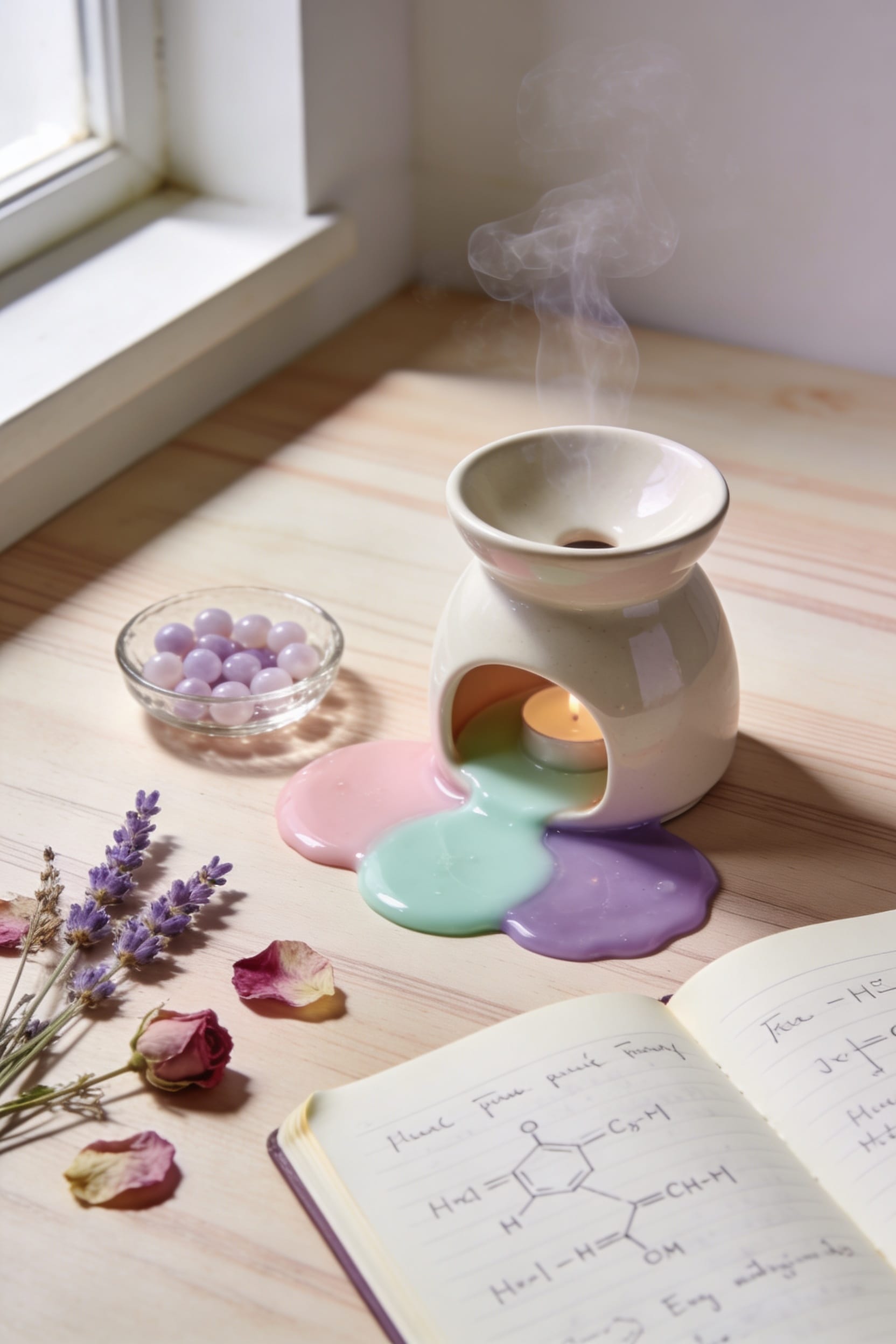
Are Wax Melts Safe? What’s in Them and What to Avoid

Wax melts aren’t inherently unsafe, but what matters is what’s inside them and how you’re using them. Paraffin wax—the cheap petroleum byproduct in most budget melts—releases benzene and toluene when heated, both respiratory irritants. Soy and coconut wax are cleaner options. Fragrance oils often hide phthalates that aren’t disclosed on labels, so hunt for IFRA-certified, phthalate-free formulas. Crack a window during use to disperse VOCs, avoid continuous burning, and keep melts away from kids and pets. The specifics on what to actually look for when shopping—that’s where things get interesting.
Key Takeaways
- Paraffin wax releases benzene and toluene when heated; soy and coconut wax are safer, cleaner-burning alternatives.
- Fragrance oils often contain undisclosed phthalates; choose IFRA-certified, phthalate-free options to reduce chemical exposure.
- Crack a window for 15 minutes during use to disperse VOCs and prevent nanoparticle buildup indoors.
- Avoid continuous use in small sealed rooms; occasional use with ventilation poses minimal documented risk.
- Keep burners away from children and pets, use heat-resistant containers, and prefer hypoallergenic formulations for sensitive households.
The Safety Verdict: What You Need to Know About Wax Melts
When you’re standing in front of a wall of pretty wax melts at the store, wondering if they’re actually safe to use in your home, I get it—you want a straight answer, not a scary warning label that makes you feel guilty for wanting your place to smell like vanilla bean instead of, well, nothing. Here’s the thing: wax melts aren’t inherently dangerous, but they’re not perfectly innocent either. They release volatile organic compounds—basically, fragrance chemicals that drift into your air quality—and yes, long term exposure matters if you’re burning them constantly in a tiny, sealed room. The good news? Smart choices about wax type and fragrance oils, plus basic ventilation, dramatically reduce any real risk. You’re not ruining your health by wanting a scented home.
Paraffin Wax: Why It’s the Riskiest Choice
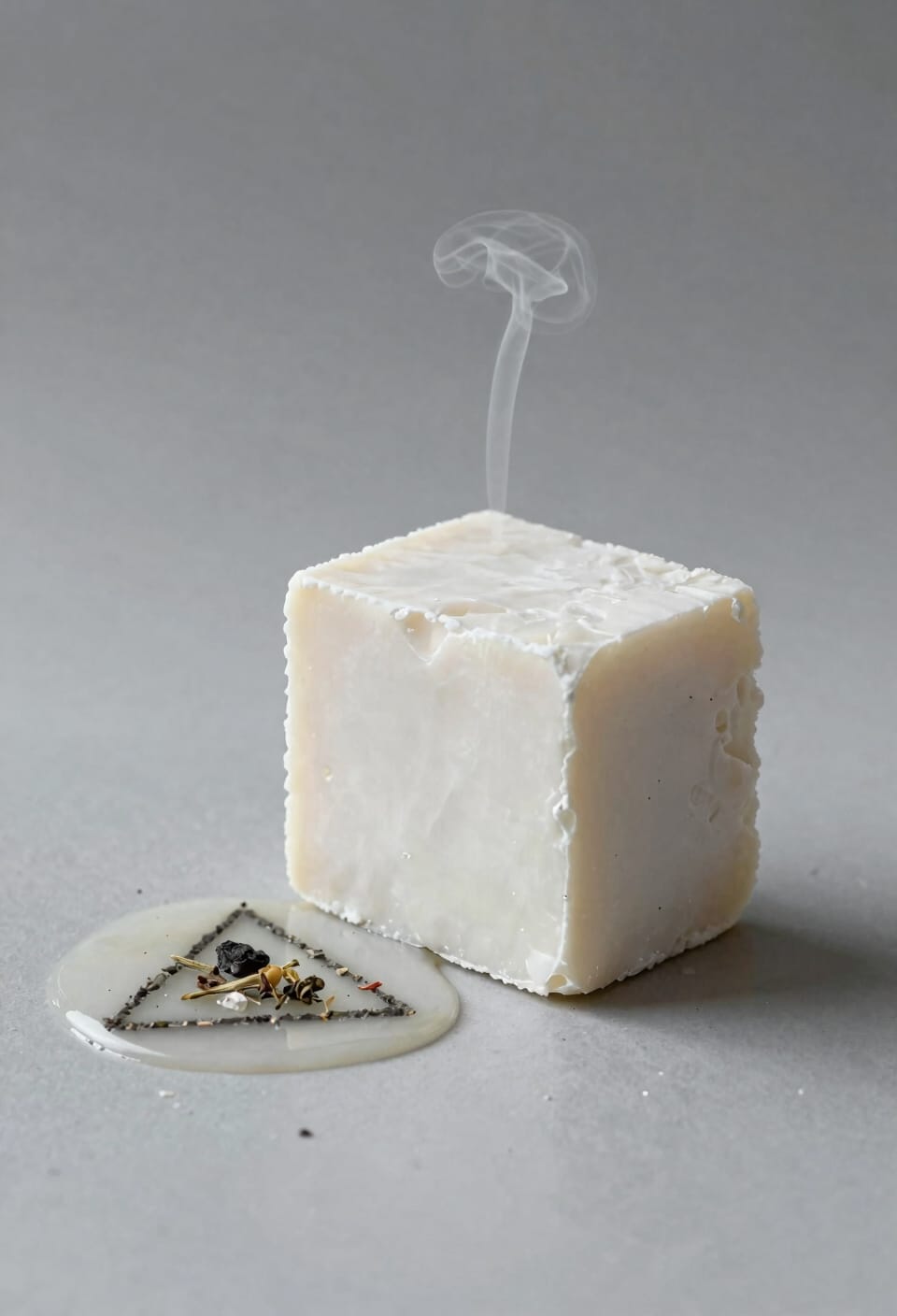
If you’ve ever grabbed the cheapest wax melts at the store without checking the label, there’s a solid chance you brought home paraffin—a petroleum byproduct that’s basically the candle world’s equivalent of fast food: affordable, widely available, and honestly not great for you. When heated, paraffin releases benzene and toluene, both respiratory irritants that contribute to your indoor emissions problem. Here’s the thing: these chemicals enter your supply chain from the refining process itself, so there’s no way around them if you’re buying pure paraffin. Now, the honest truth is we don’t have rock-solid evidence that occasional use causes serious harm. But why gamble? Natural alternatives like soy exist, cost only slightly more, and won’t make you wonder if you’re slowly gassing yourself out.
Safer Natural Wax Alternatives: Soy, Coconut, and Beeswax
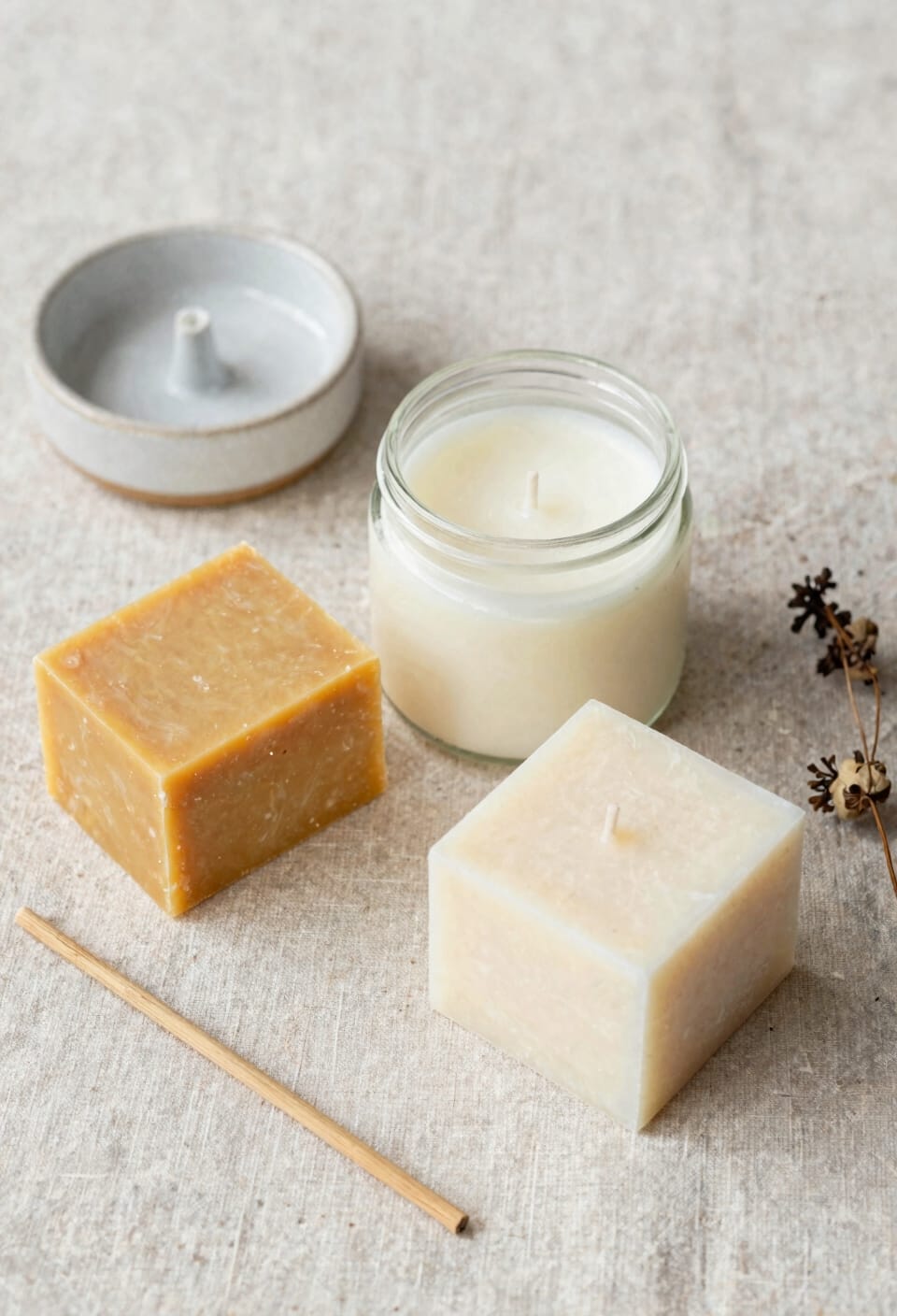
Now that we’ve established paraffin’s sketchy resume, let’s talk about what you should actually be buying instead—because natural wax alternatives genuinely do make a difference, both for what you’re breathing in and for your peace of mind. Soy wax, derived from soybeans, burns cleaner and produces fewer pollutants than paraffin. Coconut wax offers similarly low toxin levels with a smaller carbon footprint. Here’s the thing: beeswax, while natural, actually contains high levels of concerning compounds and pesticide residues, making it less ideal despite its reputation. If organic certification matters to you, seek out soy or coconut options from reputable suppliers. These alternatives cost more upfront, sure. But you’re effectively paying for air you won’t regret breathing.
Fragrance Oils: Phthalates and Other Hidden Chemicals
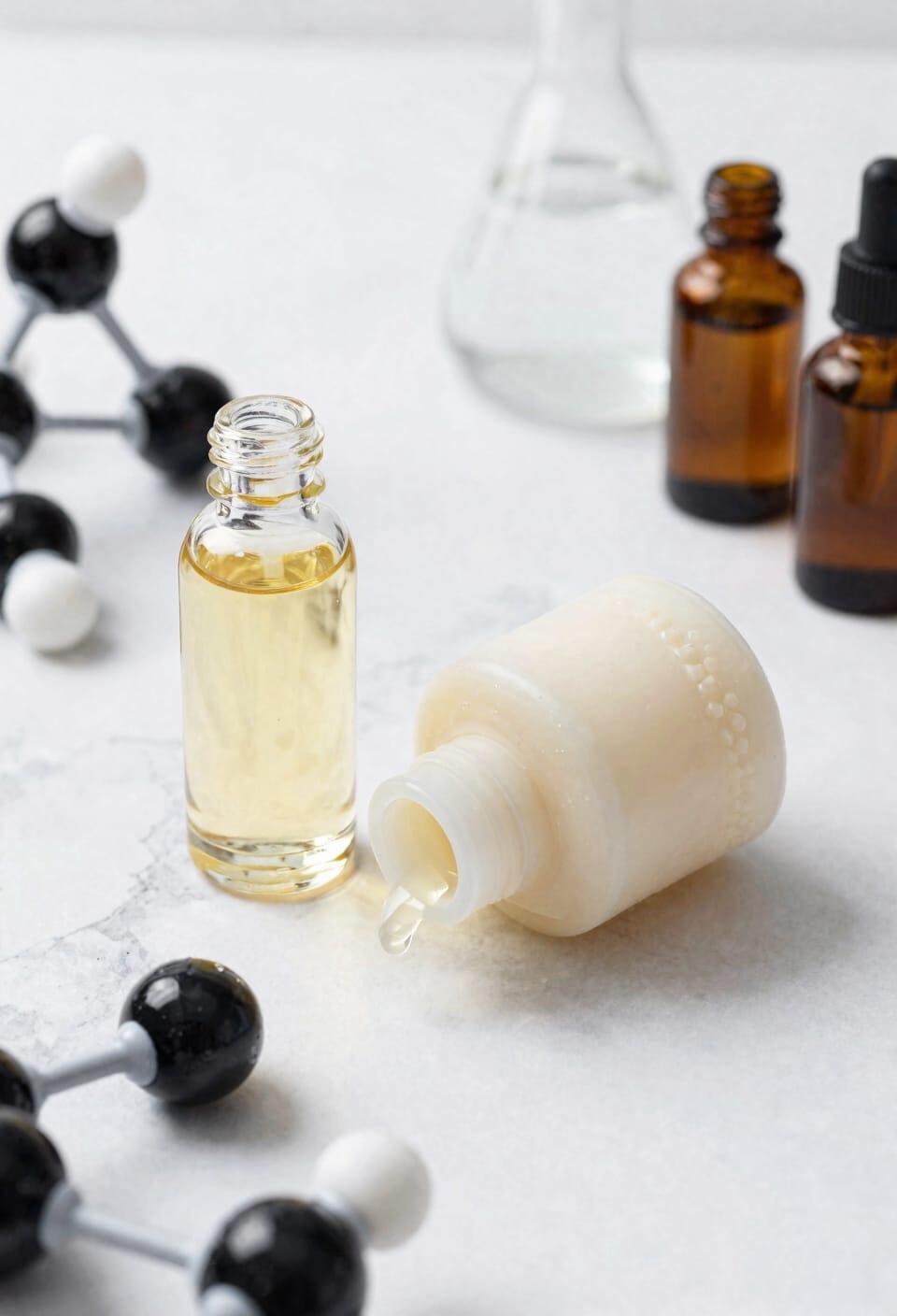
You’ve picked a better wax now, and that’s genuinely half the battle—but here’s where a lot of people get blindsided: the fragrance oil is where manufacturers hide a whole chemistry experiment you’re literally inhaling.
Synthetic additives are the real culprit. Many fragrance oils contain phthalates—chemicals that make scents stick around longer—and they’re not always disclosed on labels. Look for IFRA-certified, phthalate-free options instead. Label transparency matters tremendously here; reputable suppliers spell out exactly what’s in their fragrances.
Essential oil-based fragrances are generally safer, though they still emit volatile organic compounds. Here’s the thing: you can’t completely avoid trace phthalates in commercial products, but choosing high-quality oils from trustworthy brands dramatically reduces your chemical load.
What to Look for in Safe Fragrance Oils
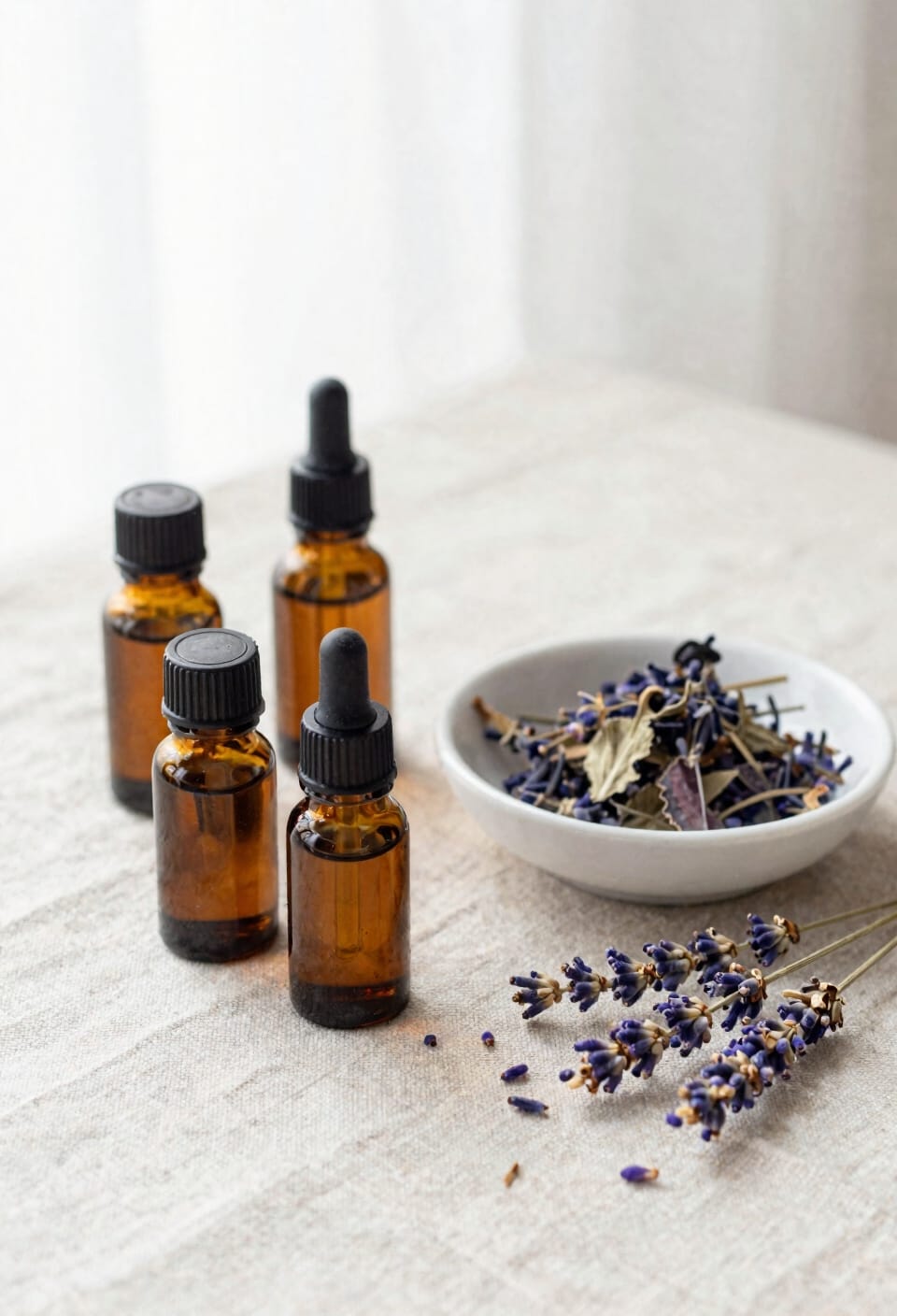
Since you’re already being deliberate about your wax choice, you don’t want to sabotage that effort by grabbing whatever fragrance oil happens to be cheapest or prettiest on the shelf. Look for IFRA-certified, phthalate-free fragrance oils—these meet international safety standards and won’t fill your home with hidden nasties. Check supplier transparency by researching the company’s sourcing practices and asking whether they test for phthalates. Essential oil sourcing matters too; reputable suppliers clearly identify whether their blends use real essential oils or synthetics. High-quality fragrance oils from established manufacturers minimize respiratory risks compared to sketchy knockoffs. You’re not being paranoid—you’re just finishing what you started when you picked soy over paraffin. Buy from companies that actually tell you what’s in their products. Your lungs will thank you.
How VOCs and Ozone Create Toxic Nanoparticles in Your Home
All right, so you’ve picked the cleanest wax and the safest fragrance oil—but here’s where things get weird and a little bit invisible. When your wax melts release fragrance compounds into the air, they’re not just floating around harmlessly. That’s where indoor ozonation enters the picture. The aroma molecules from your warmer react with ozone already present in your home’s air, creating nanoparticle chemistry that forms particles smaller than you could ever see. We’re talking particles between 1 and 100 nanometers—basically dust you’ll never know you’re breathing. The tricky part? Even flameless wax melts generate these at levels comparable to burning candles. Cracking a window helps disperse both the VOCs and the ozone, reducing that invisible reaction before it happens.
Benzene, Toluene, and Other Toxic Chemicals in Wax Melts
When paraffin wax heats up in your warmer, it doesn’t just release pleasant-smelling fragrance—it also releases a bunch of chemical compounds you can’t see or smell, and that’s where things get a little uncomfortable. Benzene and toluene are the main culprits here. Both are respiratory irritants that researchers have flagged as potentially carcinogenic. Now, here’s the thing: the amounts released from typical wax melt use haven’t been proven to cause serious harm at normal levels. But ambient monitoring studies show these chemicals do escape into your indoor air, similar to cooking emissions from your stovetop. If you’re sensitive or just want to play it safe, soy or coconut wax alternatives release markedly fewer of these compounds.
Safe Wax Melts for Homes With Kids, Pets, and Allergies
Protecting the people and animals you live with means thinking harder about what you’re melting in that warmer. If you’ve got kids, grab wax melts with child safe packaging and phthalate-free fragrance oils—those synthetic chemicals can irritate developing lungs. For pets, the stakes are higher since they’re closer to the ground where particles settle. Look for hypoallergenic formulations made from soy or coconut wax; they’re gentler all around. Now, if allergies run through your household, natural wax types matter more than you’d think. Soy melts burn cleaner and trigger fewer reactions than paraffin. Here’s the thing: you’re not just buying a scent, you’re choosing what your family breathes for hours. Choose wisely, and everyone stays comfortable.
How to Use Wax Melts Safely: Best Practices and Red Flags
You’ve picked the right wax melts for your home—now comes the part where most people accidentally sabotage themselves. Look, placement matters tremendously. Keep your burner away from children, pets, and fabrics where accidents happen. Make sure your burner materials are heat-resistant ceramic or metal—nothing flimsy that’ll warp or crack. Now, ventilation timing is essential. Open a window occasionally during and after use to disperse VOCs and prevent nanoparticle buildup. I’m talking 15 minutes here, not turning your house into an igloo. Don’t run your warmer continuously for hours on end. Your wax melts work best when you give your indoor air a fighting chance to breathe. Simple stuff, really—just intentional use beats careless burning every time.
Frequently Asked Questions
Can I Make My Own Wax Melts at Home to Ensure Safety and Control Ingredients?
Yes, you can make your own wax melts at home. I’d recommend DIY recipes using soy or coconut wax with phthalate-free essential oils. Careful ingredient sourcing from reputable suppliers guarantees you’re controlling exactly what you’re melting and diffusing.
How Long Does It Take for Wax Melt Emissions to Dissipate From a Room Completely?
I don’t have specific data on complete room clearance times, but I’d estimate several hours depending on ventilation. The odor half-life typically ranges from 1-3 hours, though nanoparticles may linger longer in poorly ventilated spaces.
Are Scented Wax Melts Safer Than Scented Candles for Indoor Air Quality Overall?
I’d say wax melts aren’t definitively safer—they’re just different. While they’ve got low emissions without flame, their melt chemistry and real fragrance concentration create nanoparticles comparable to candles. Ventilation effects matter most for both.
What Specific Certifications Should I Look for on Wax Melt Product Labels?
I’d look for IFRA certification confirming phthalate-free fragrance oils, GS OH labels indicating safety testing, and ASTM standards ensuring product quality. These certifications help you verify the manufacturer’s met recognized safety benchmarks.
Do Wax Melts Expire, and Can Expired Products Release More Harmful Chemicals?
You’d think expiration wouldn’t matter for wax, but it does. I’ll tell you: yes, they expire. Poor storage conditions cause ingredient degradation, potentially releasing more volatile compounds. I’d recommend replacing them yearly for safety.
Conclusion
You know what’s wild? The safer wax you choose today might’ve seemed like the expensive option last year. That’s coincidence working in your favor. By picking soy, coconut, or beeswax over paraffin, checking for phthalate-free fragrance oils, and ditching anything that smells chemically wrong, you’re not just protecting your lungs—you’re accidentally voting for better wax melts everywhere. Your choices matter more than you think.