As an Amazon Associate, we earn from qualifying purchases. Some links on this site are affiliate links at no extra cost to you. Our recommendations are based on thorough research and editorial judgment.

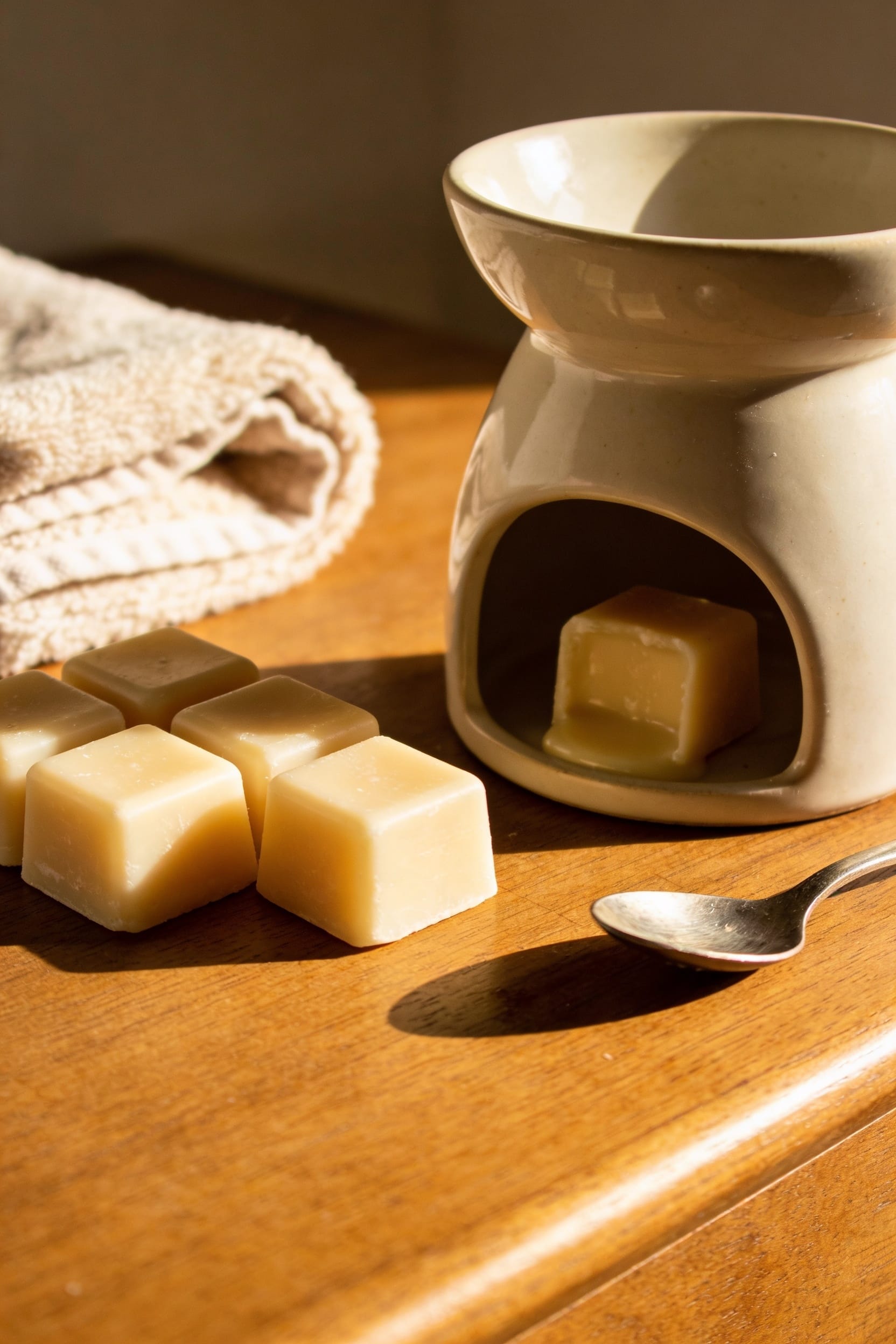
Can You Reuse Wax Melts? How to Get More Out of Each Cube

You can absolutely reuse wax melts—most high-quality ones give you three to four solid burns before the scent fades. The trick is letting them cool completely, then popping them in the freezer for ten minutes to pop them out cleanly. Store used wax in sealed containers away from sunlight, and when the smell gets weak, you’ve got options: add fragrance boosters, remelt everything in a double boiler, or blend leftover scraps into custom combinations. Limit each burn session to four hours, and you’ll stretch that cube way further than you’d think possible.
Key Takeaways
- Yes, wax melts can be reused 3–4 times; quality melts last 8–12 hours total before scent fades completely.
- Cool wax completely, use a freezer for stubborn pieces, then store in sealed containers in cool, dark places.
- Revive used wax by adding fragrance boosters or fresh fragrance oil, then remelt using a gentle double boiler method.
- Blend leftover scraps from different melts to create custom scent combinations while maximizing remaining fragrance potential.
- Limit burn sessions to four hours and use rest periods between uses to slow fragrance burnout and extend lifespan.
How Many Times Can You Really Reuse Wax Melts?
you can almost always reuse your wax melts multiple times, though exactly how many depends on what you’re working with. The melting chemistry behind wax melts means fragrance gradually evaporates with each use, so scent retention naturally decreases over time. High-quality wax melts typically last 8-12 hours total before fragrance completely fades, which usually breaks down into 3-4 reuses with standard tea lights. Gel wax melts perform better—you’ll get up to four good rounds since their jelly-like consistency holds scent longer. Snapbars are absolute champions at 70-80 hours total, while clamshells hit 50-60. Paraffin wax, though? That stuff evaporates fragrance fast, limiting your reuses markedly. Your mileage varies based on initial fragrance oil content and wax quality, so don’t expect miracles from budget melts.
How Many Times Can You Reuse Each Wax Melt Type?
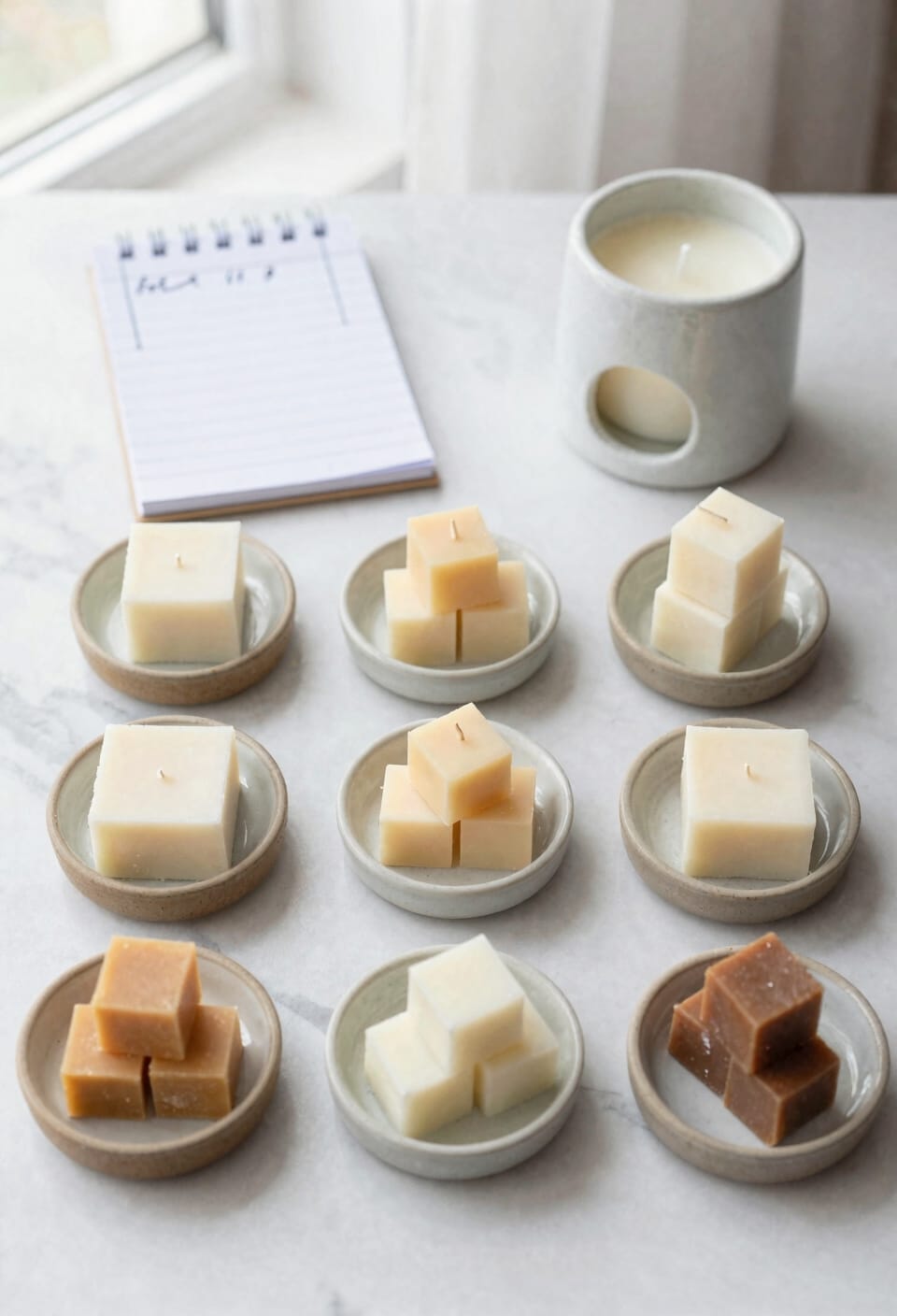
Now that I’ve given you the general lay of the land, let’s talk specifics—because different wax melt types really do perform differently when you’re trying to squeeze every last bit of scent out of them. Heart wax melts? You’re looking at about 6-8 hours total before the scent intensity fades completely. Flower melts stretch to 20-30 hours. But here’s where it gets interesting: clamshells deliver 50-60 hours, and snapbars top out around 70-80 hours. The difference comes down to wax composition and how much fragrance oil they contain from the start. Higher-quality wax holds onto scent longer, which means more reuses for you. Paraffin wax, though? It evaporates fragrance fast, so don’t expect miracles there.
Remove and Store Used Wax for Reuse
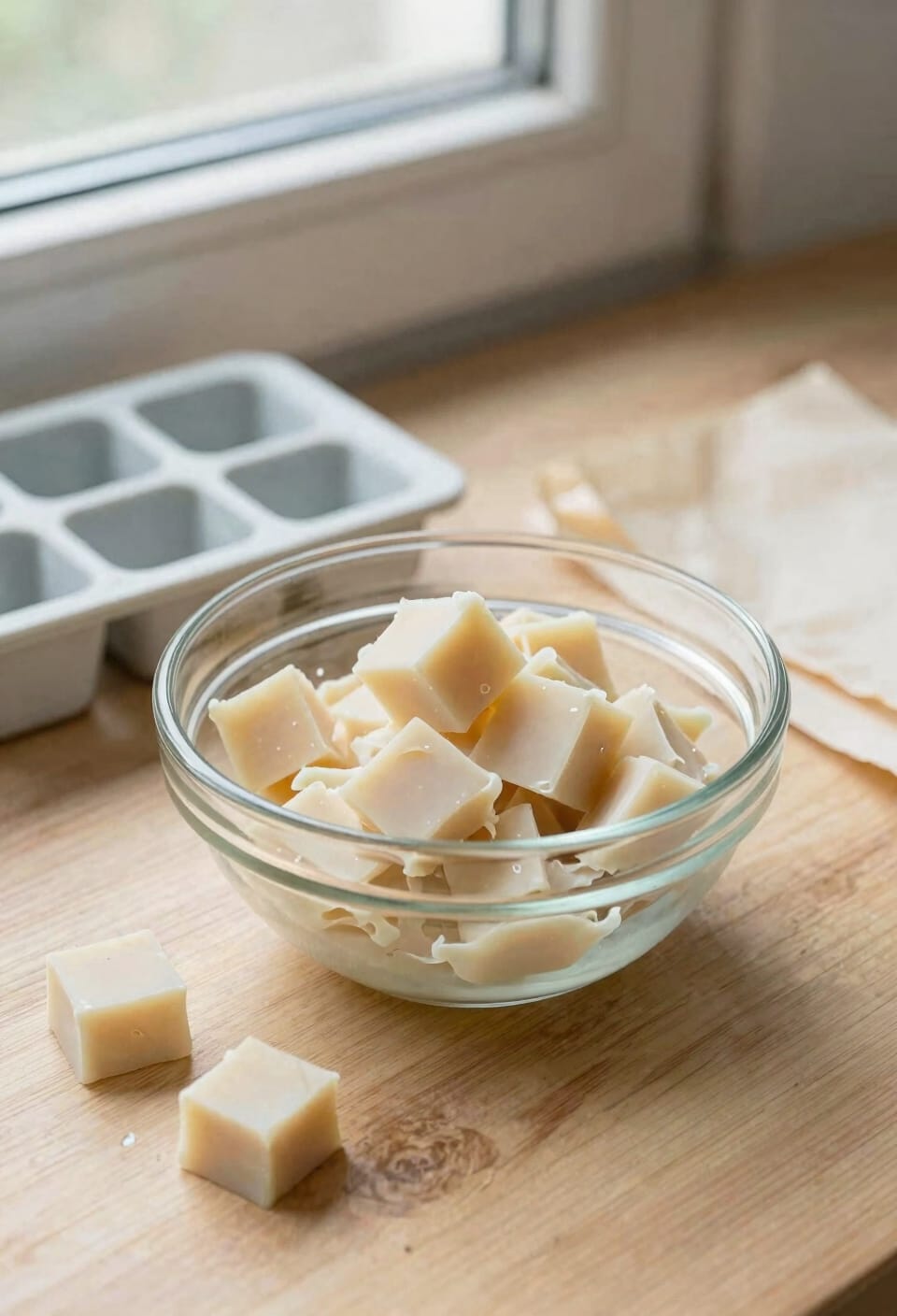
Once you’ve gotten every last whiff of scent from your wax melt, the real work begins—and I don’t mean that in a bad way. Here’s the thing: you’ll want to let that wax cool completely before poking at it. I learned this the hard way with melted fingers, so trust me. Pop the solidified wax out (use your freezer for ten minutes if it’s stubborn), then store it in sealed containers like Ziploc bags to lock in whatever fragrance remains. Keep everything in a cool spot—your kitchen counter under direct sunlight isn’t it. Label dates on your seal containers so you know what you’re working with later. Proper storage means your used wax stays fresh enough to remelt and reuse multiple times.
When Your Melts Stop Smelling (And How to Fix It)
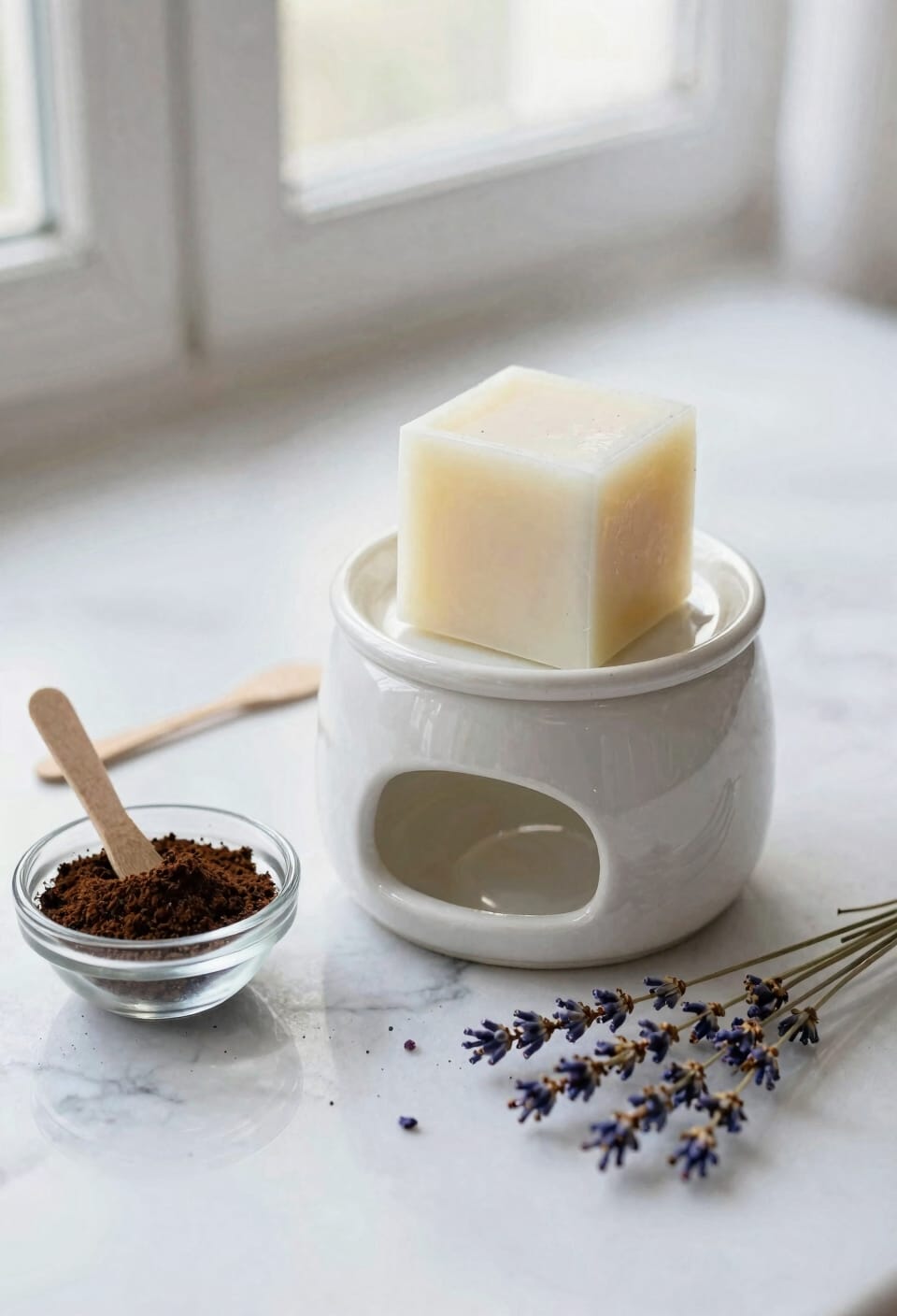
Eventually, every wax melt runs out of steam—literally. You’ll notice scent fatigue, that annoying moment when your favorite melt smells like basically nothing. Here’s the thing: this doesn’t mean it’s dead. The wax itself still has life left, but the fragrance oils have mostly evaporated. Now, you’ve got options. Add fragrance boosters—concentrated scent additives designed specifically for wax—to revive that melting cube. A few drops mixed into your stored wax can bring it roaring back. Alternatively, melt it down, strain out any debris, and pour fresh fragrance oil into the mixture before pouring into molds. You’re effectively giving it a second wind. Either way, you’re squeezing every last drop of value before tossing it.
Safely Remelt Old Wax in a Double Boiler
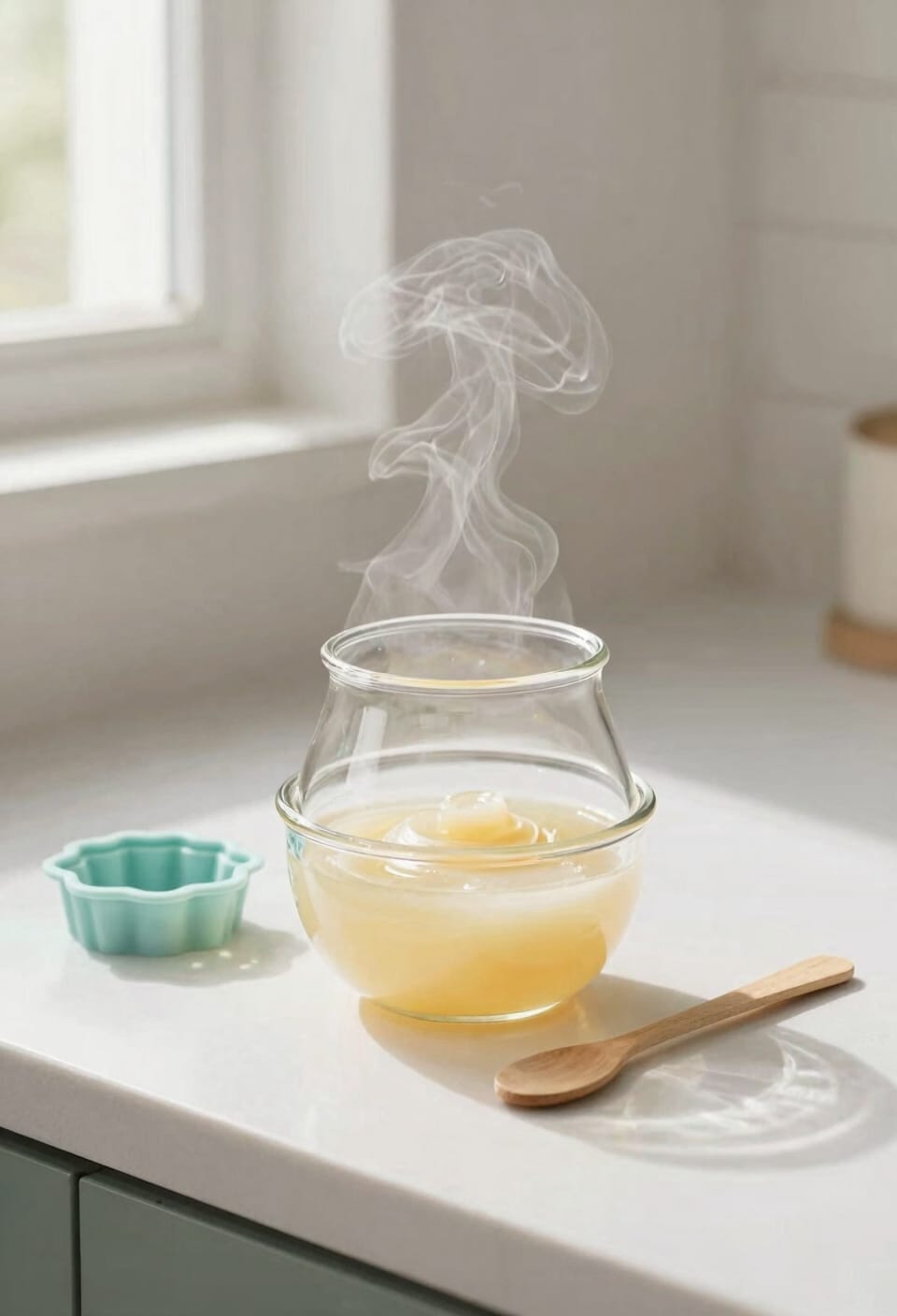
If you’re ready to give your old wax a real second life instead of just spritzing it with fragrance oil, you’ve got to melt it down properly—and that means breaking out the double boiler. A double boiler is basically two pots stacked together, with water simmering in the bottom one and your wax melting gently in the top one. This setup’s your best safety bet because direct heat can scorch your wax or worse, start a fire. Here’s the thing: temperature control matters. Keep that water at a low simmer, not a rolling boil. Before remelting, filter out any debris, old wick pieces, or crud. This wax hygiene step prevents contamination in your fresh batch. Once melted and strained, you’re ready to add fragrance oil and pour into new molds.
Turn Leftover Scraps Into Fresh Melts or Candles
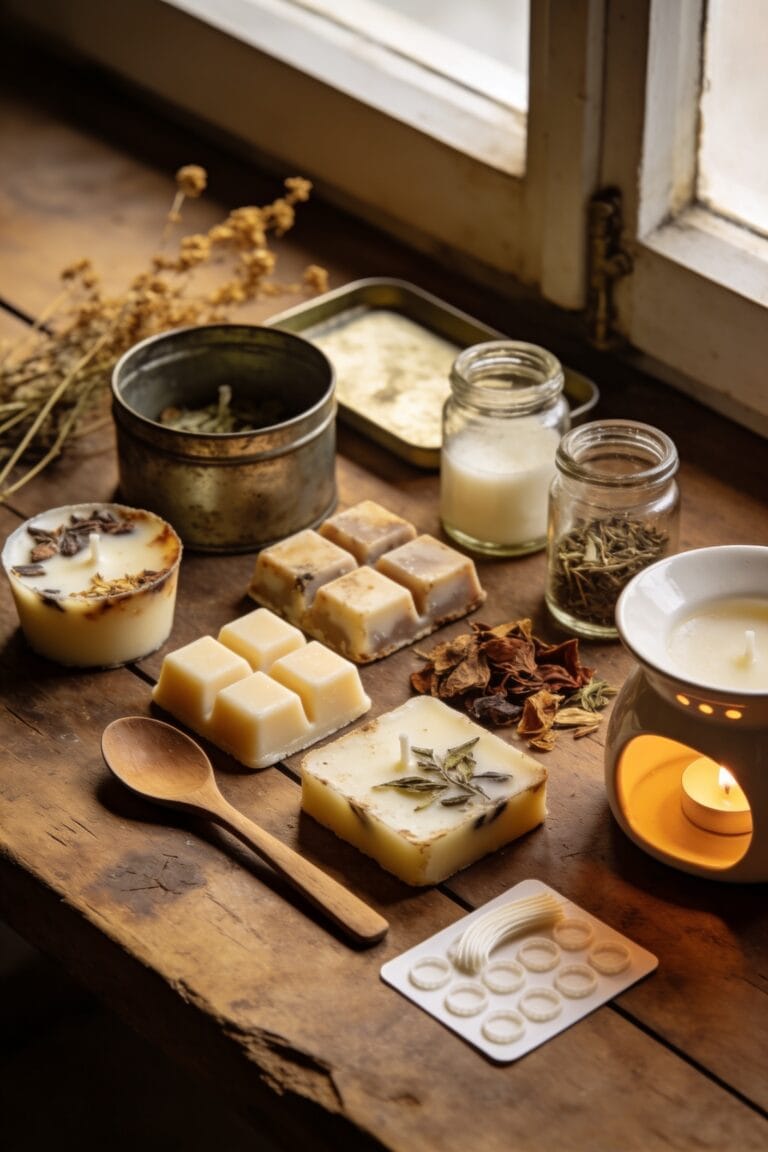
By melting down those hardened little scraps and pouring them into molds, you’re basically giving your wax a complete do-over—and honestly, it’s satisfying in a way that just tossing them feels wrong. I’ve found that ice cube trays work surprisingly well for this. Strain out any debris and old wick bits first, then add fresh fragrance oil to revive the scent. Once cooled, pop your new melts out and you’ve got yourself a batch of custom cubes. Don’t forget scent labeling so you remember what you created. These homemade melts make excellent gifts too—pair them with thoughtful gift packaging and you’ve basically turned trash into treasure. Your leftover wax just became someone’s favorite thing.
Create Custom Scents by Blending Leftover Wax
One of the best-kept secrets in the wax melt world is that your leftover scraps aren’t just waste—they’re basically a fragrance laboratory waiting to happen. Now, here’s where scent layering comes in. You can blend leftovers from different melts to create something entirely new. Got vanilla and lavender scraps? Combine them. The magic happens when you experiment without overthinking it.
Color blending is your visual bonus. Mix purple and pink scraps, and you’ll get a custom hue that matches your custom scent. Melt everything together in a double boiler, pour into molds or ice cube trays, and let it cool completely. You’ve basically just created a signature fragrance that nobody else has. That’s the good stuff right there.
5 Habits That Kill Wax Reusability (And How to Fix Them)
When you’re trying to squeeze every last bit of scent out of your wax melts, it’s actually pretty easy to accidentally sabotage yourself—and I say that from hard-won experience. Your overheating habits are probably the biggest culprit. Running your burner constantly without breaks burns through fragrance way faster than it should. Instead, give your wax rest periods between uses.
Improper storage kills reusability too. Leaving used wax sitting out exposed to air and light degrades what scent remains. Store cooled wax in sealed bags in a cool spot instead. Don’t let it remelt on your shelf.
One more thing: remove debris before reheating. Old wick pieces and dust prevent proper melting and waste precious fragrance oil. Small fixes, massive difference.
Extend Melt Life: Burn for 4-Hour Sessions, Not Longer
Limiting your burn sessions to four hours at a time is honestly one of the easiest wins for keeping your wax melts reusable longer—and I learned this the hard way after watching a perfectly good clamshell turn into a fragrance-dead puddle because I treated my burner like it was supposed to run 24/7. Short sessions preserve fragrance oil so you get those precious extra reuses out of each cube. Set a timer on your phone; I’m not joking. Four hours lets the scent molecules release gradually instead of burning off in one catastrophic sprint. You’ll notice the difference immediately on your second or third melt. Your wax will thank you, and so will your nose.
Frequently Asked Questions
Can I Reuse Wax Melts in a Different Burner Than the Original?
Yes, you can reuse wax melts in different burners. I’d make sure cross compatibility by checking heat variance between burners, as scent transfer and melting rates vary. Different burners’ temperatures affect how quickly your wax releases fragrance.
Is It Safe to Mix Different Wax Types When Remelting Leftovers Together?
I’d caution against mixing wax types—compatibility concerns arise between paraffin and gel formulations. Scent interactions become unpredictable. High-quality snapbars lasting 70-80 hours shouldn’t blend with quicker-evaporating types. You’ll compromise burn quality.
How Do I Know When Wax Has Completely Lost Its Fragrance?
I’d say your wax’s lost its fragrance when you can’t detect any scent threshold even after olfactory fatigue subsides. Try stepping away for thirty minutes, then return—if nothing’s there, it’s done.
Can I Use Essential Oils Instead of Fragrance Oil to Revive Scent?
I wouldn’t recommend essential oil swaps for scent strengthening. Essential oils contain alcohol that can ignite when heated. You’ll want candle fragrance oil instead—it’s formulated safely for melting and reusing your wax cubes.
What’s the Best Container Material for Storing Used Wax Long-Term?
I’d recommend glass jars or metal tins as your fortress against time’s passage. They’re airtight guardians that’ll preserve your wax’s fragrance brilliantly when stored in a cool spot.
Conclusion
Look, your wax melts are seeds waiting to bloom again. Each cube holds untapped potential—not just scent, but possibility. By respecting the melt’s lifecycle, you transform waste into wisdom. You’re not just saving money; you’re honoring the plant matter that became that wax. Reuse it, blend it, remake it. That’s where real candle mastery lives: in the second act, where intention meets resourcefulness.