As an Amazon Associate, we earn from qualifying purchases. Some links on this site are affiliate links at no extra cost to you. Our recommendations are based on thorough research and editorial judgment.

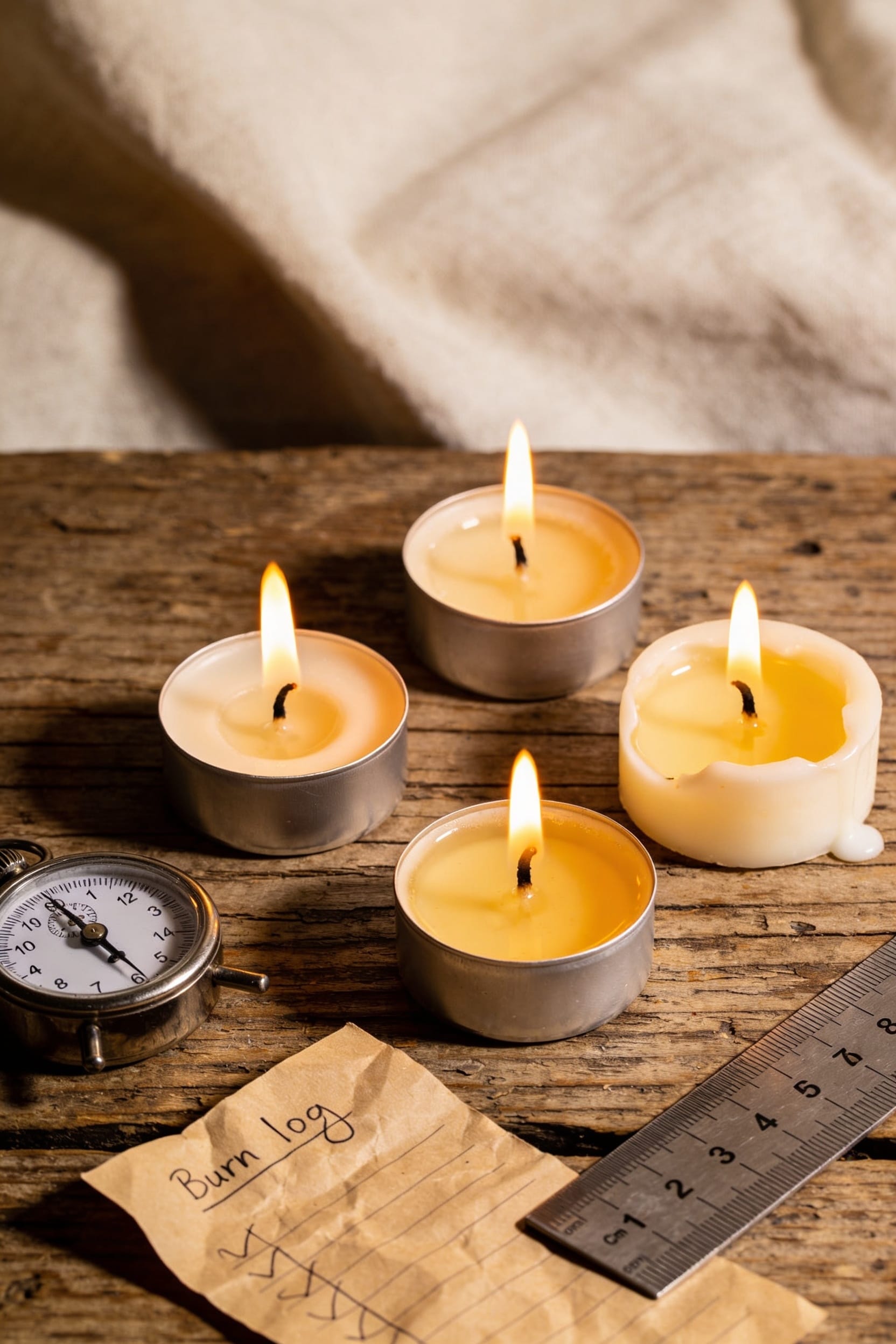
How Long Do Tealight Candles Last? Standard vs. Extended Burn Times

Standard tealights burn three to five hours, but you’re probably getting way less—and I’d bet drafts, wick length, or cheap paraffin wax are the culprits. Look, here’s the thing: soy and beeswax (natural waxes with higher melting points) burn slower than paraffin, and a wick trimmed to quarter-inch prevents that depressing tunnel effect down the middle. Drafts accelerate everything, so placement matters more than you’d think. The real numbers? They’re hiding in wax type, maintenance habits, and your candle’s actual environment.
Key Takeaways
- Standard tealights burn 3 to 5 hours; soy and beeswax varieties extend burn time due to higher melt points.
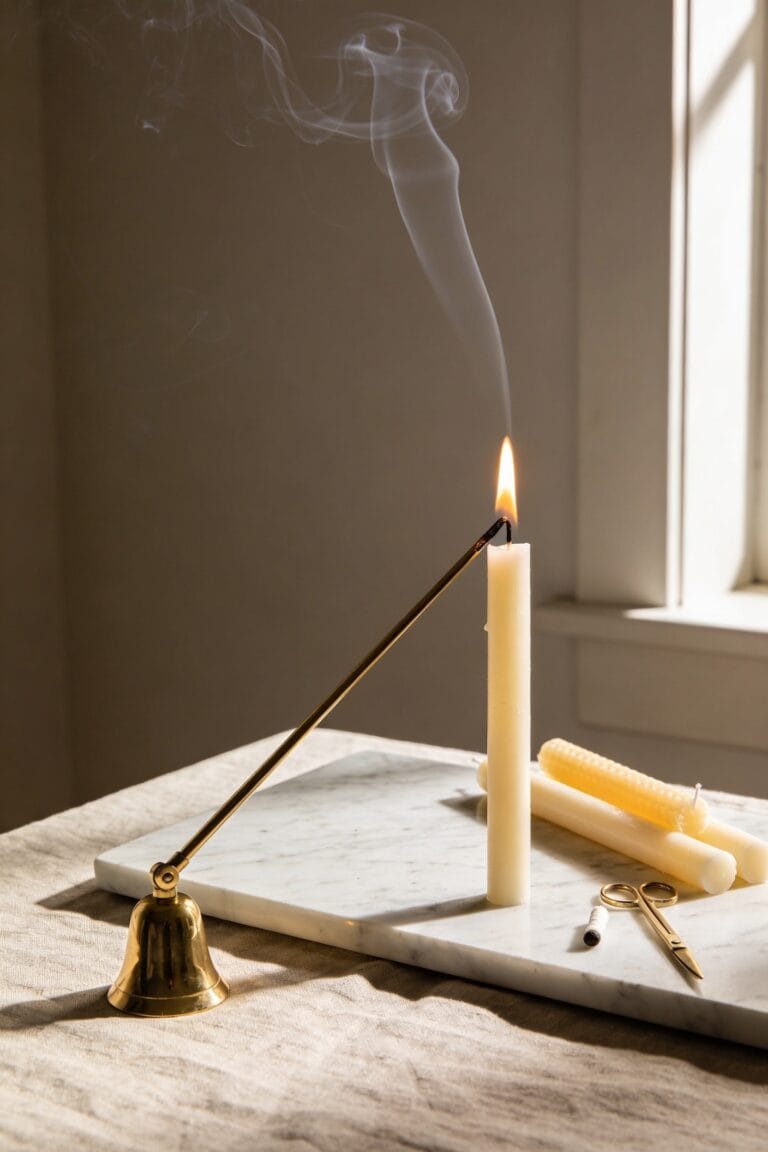
- Wick trimming to 1/4 inch before each burn prevents mushrooming, soot, and ensures steady, even flame performance.
- Drafts and airflow significantly accelerate burning; place tealights in sheltered, draft-free locations to maximize burn hours.
- Tunneling down the middle reduces effective lifespan; level surfaces and proper wick maintenance prevent uneven melting.
- Weigh tealights before and after controlled burns to calculate realistic burn estimates more accurately than manufacturer claims.
How Long Do Standard Tealights Actually Burn?
When you’re standing in the candle aisle trying to figure out which tiny flame-holder will actually last through dinner, here’s what you need to know: standard tealights burn somewhere in the 3 to 5 hour range, though I’ll be honest, that number gets squirrelly depending on who’s making them and what they’re made from. Most standard tealights measure about 38 millimeters across and hold relatively little wax, so they’re designed to burn hot and fast on a level, draft-free surface. All right, here’s where candle longevity enters the picture: if your melt patterns look uneven or tunneled down the middle, you’re probably looking at a shorter lifespan than advertised. That’s usually a wick issue, not a wax problem.
The Wax Matters: Why Soy and Beeswax Extend Tealight Burn Time
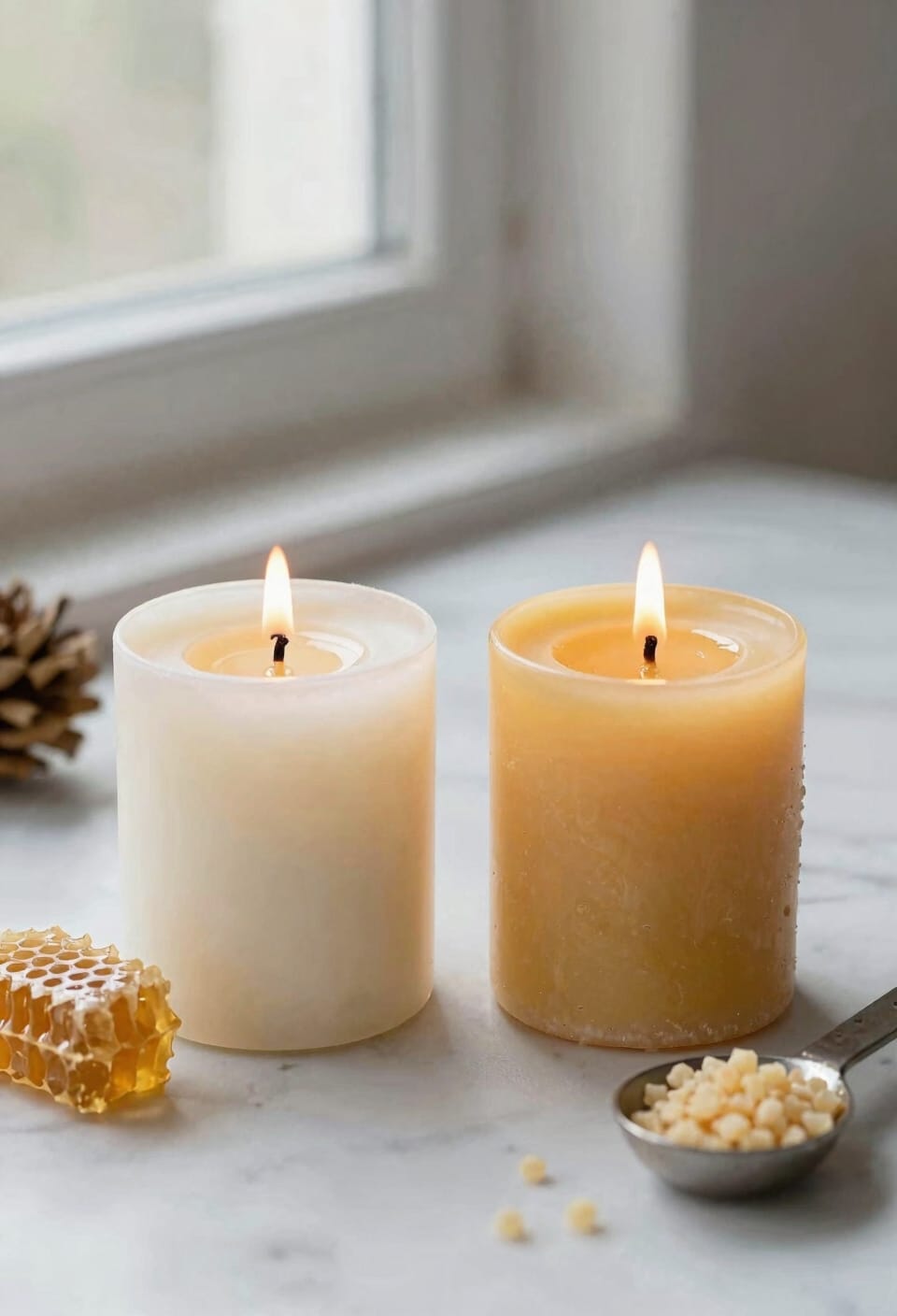
If you’ve ever wondered why some tealights seem to last forever while others burn out faster than a sparkler on the Fourth of July, here’s the real answer: the wax type makes an enormous difference. Soy and beeswax burn slower than paraffin because their combustion chemistry is fundamentally different—they melt at higher temperatures and release natural oils more gradually during the burning process. This means less wax gets consumed per hour. All right, here’s the practical takeaway: if you want tealights that actually stick around, look for soy or beeswax blends. They’re eco-friendly, they smell better, and they won’t leave you lighting replacements every few hours. Your wallet and your patience will thank you.
Wick Size and Trimming: The Maintenance Secret Nobody Notices
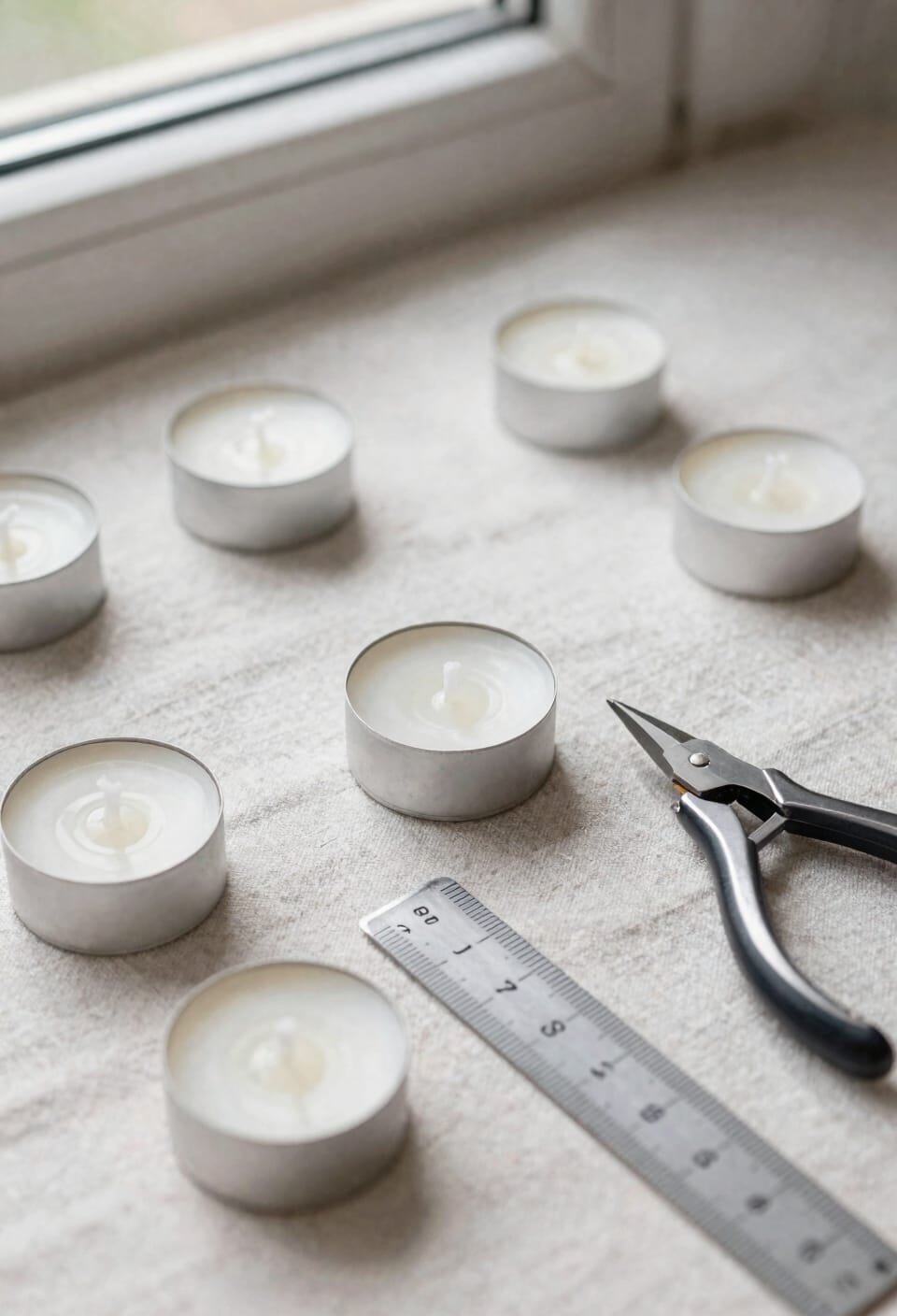
Most people obsess over what kind of wax they’re burning—and rightfully so—but then completely ignore the one thing they actually control every single time they light a candle: the wick.
Here’s the thing: wick size determines everything about your burn. A thicker wick consumes more wax, torching through your tealight faster than you’d expect. Trim yours to ¼ inch before each burn, and you’ll notice the difference immediately.
Now, proper wick shaping creates ember control—that steady, centered glow that keeps your flame stable and your melt pool even. Too long? You’ll get mushrooming and soot. Too short? Your flame struggles. It’s not complicated, but it matters more than most people realize.
How Drafts and Heat Cut Your Tealight Burn Time
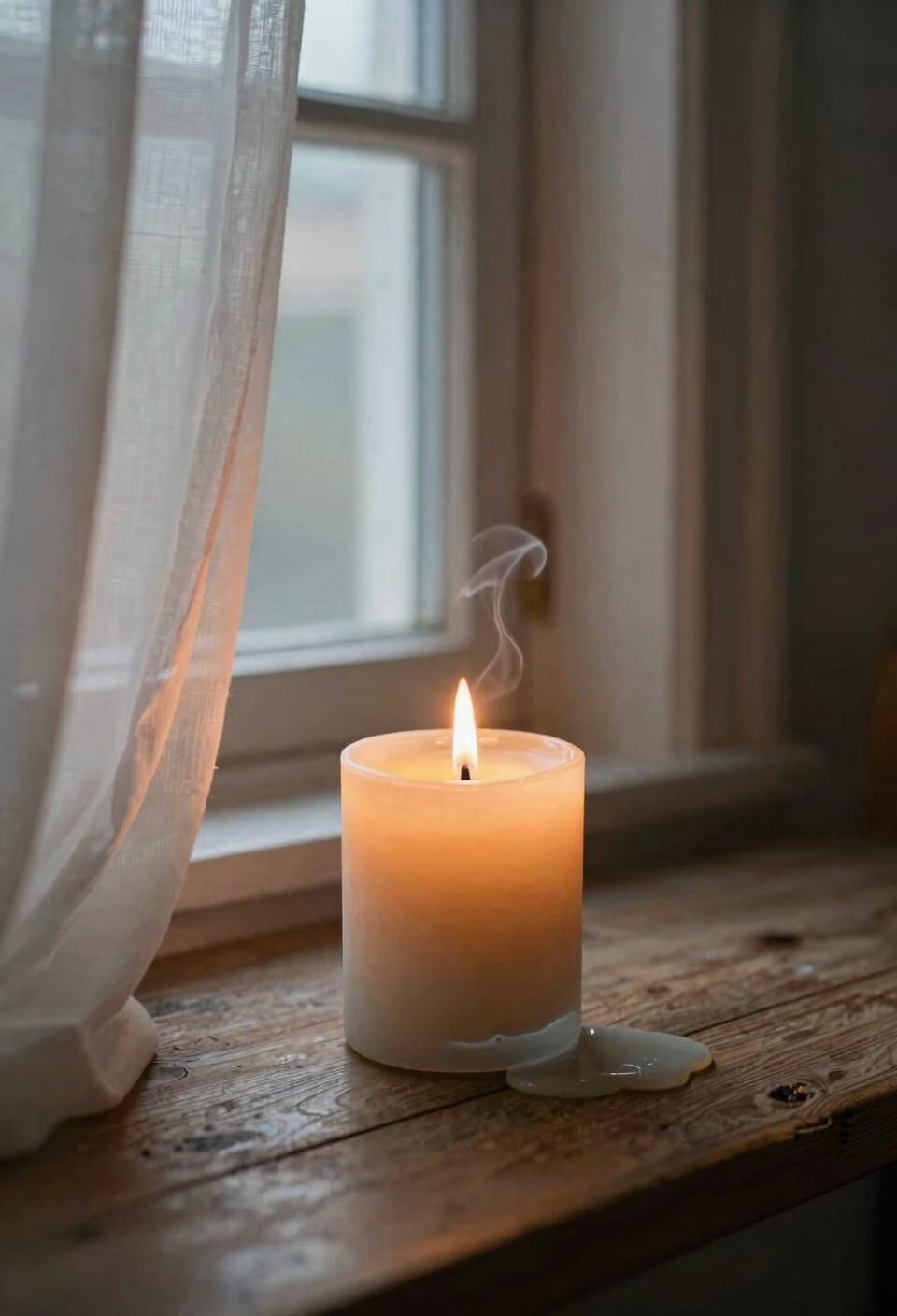
All right, here’s where most people’s tealight burn time actually goes to die: they nail the wick trimming, they pick quality wax, and then they plop the whole thing down next to an open window or directly in the path of their ceiling fan. Drafts literally steal your burn time. When airflow patterns disrupt the flame, your candle burns hotter and faster, consuming wax like it’s going out of style. Even a subtle breeze causes uneven melting and accelerates the whole process. Ambient temperature matters too—place your tealight in a warm room, and you’re effectively pre-melting the wax before the flame even touches it. Find a sheltered, cool spot away from air currents, and you’ll actually get those promised hours.
Test Your Tealight’s Actual Burn Time
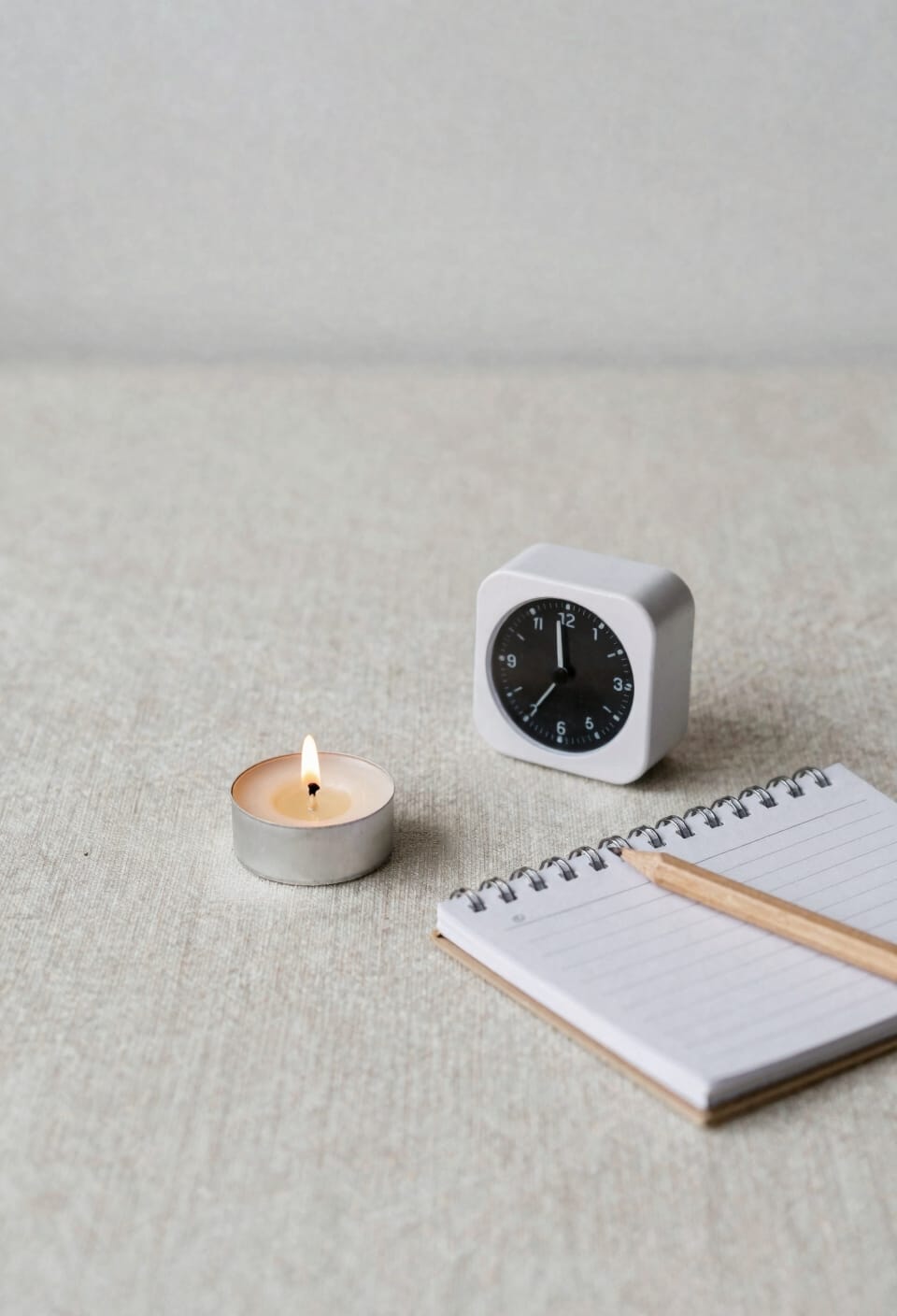
Now that you’ve got your tealight tucked away from drafts and heat sources, you’re probably wondering if it’s actually going to burn as long as the package claims—and I don’t blame you, because manufacturers love optimism. Here’s the thing: testing your candle lifespan is surprisingly simple and genuinely useful for burn testing accuracy.
Weigh your tealight before lighting it. Burn it for exactly three to four hours in one steady session, then weigh it again. The difference tells you how much wax burned. Divide your total wax weight by that consumed amount, then multiply by your test hours. You’ll get a realistic estimate that beats any marketing claim.
It’s nerdy, I know. But you’ll finally know what you’re actually getting.
Frequently Asked Questions
How Do Scented Tealights Compare to Unscented Ones Regarding Burn Duration?
I’ve found that scented tealights burn slightly faster than unscented ones because fragrance oils affect wax density. However, proper wick treatment and scent longevity depend more on quality than burn duration differences.
Why Do Tealights Burn Faster Than Votives and Pillar Candles?
I’ll explain why tealights burn faster: they’ve got smaller wick sizes that consume wax quickly, and their limited wax composition means they’re depleted faster than votives’ 7-15 hours or pillars’ 60-hour capacity.
Can Container Material Affect How Long Tealights Burn?
Yes, container material affects burn time. I’ve found that metal tins retain heat better than glass jars, causing faster wax consumption. Glass jars allow heat to dissipate more readily, potentially extending your tealight’s duration slightly.
How Many Tealights Should I Use Simultaneously for Adequate Lighting?
I’ll tell you something that might surprise you: you’ve probably underestimated what you’ll need. For adequate lighting, I’d suggest starting with 3-5 tealights using smart number estimation and strategic placement strategy around your space.
Why Do Tealights Release Less Fragrance Than Larger Candles?
I’d say tealights release less fragrance because they’ve got a smaller wax load, which limits how much scent can diffuse into your space. Their compact size simply can’t match larger candles’ fragrance output.
Conclusion
Look, I’ve learned that tealights aren’t just tiny decorative flames—they’re vessels of potential you’re probably shortchanging. You’ve got the power to extend their lifespan through smarter choices: quality wax, proper wick maintenance, and thoughtful placement. Stop letting drafts and neglect gently diminish what could’ve been a longer-burning companion. Test yours, trim that wick, and watch your burn time gracefully flourish.