As an Amazon Associate, we earn from qualifying purchases. Some links on this site are affiliate links at no extra cost to you. Our recommendations are based on thorough research and editorial judgment.

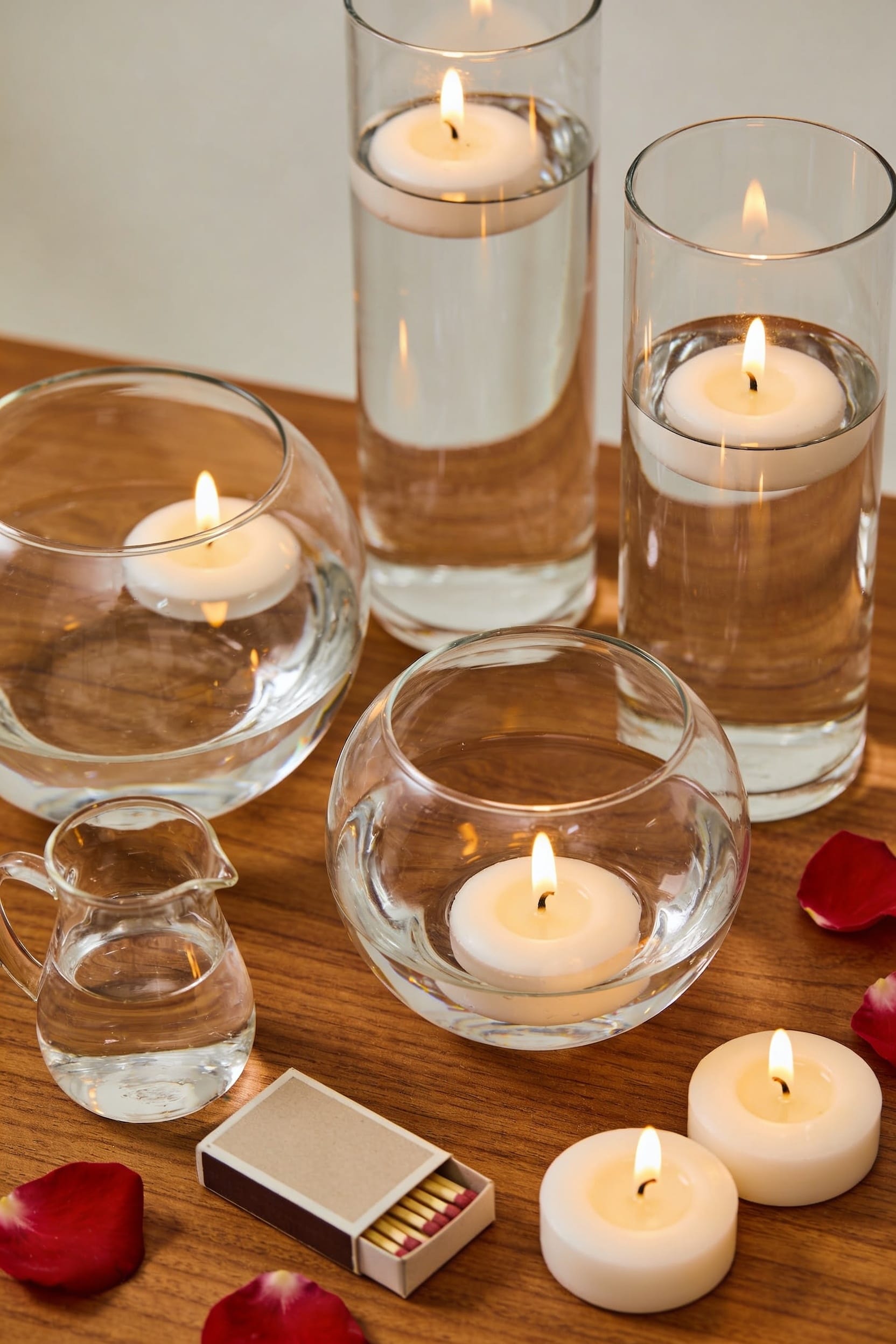
How to Use Floating Candles: Setup, Vessels & Safety Tips

All right, here’s the thing: floating candles need heat-resistant vessels on stable, draft-free surfaces, and you’ll want to trim wicks to about a quarter-inch before lighting. Space them out so they bob freely without crowding, then add only water-safe decorations—glass beads, pebbles, flowers—keeping everything at least two inches from the flame. Never leave them unattended, limit burns to three or four hours, and use a snuffer to extinguish safely. Stick around for the specifics that’ll actually keep your setup from becoming a cautionary tale.
Key Takeaways
- Select flat, heat-resistant surfaces away from drafts and flammable items for vessel placement
- Gently float candles on water, spacing them apart to allow safe bobbing movement
- Use water-safe decorations like glass beads or pebbles, keeping all items two inches from wicks
- Trim wicks to 1/4 to 1/2 inch and supervise burns for three to four hours maximum
- Extinguish flames with a snuffer or card, never leaving burning candles unattended
Choose Heat-Resistant Vessels and Prepare Your Space
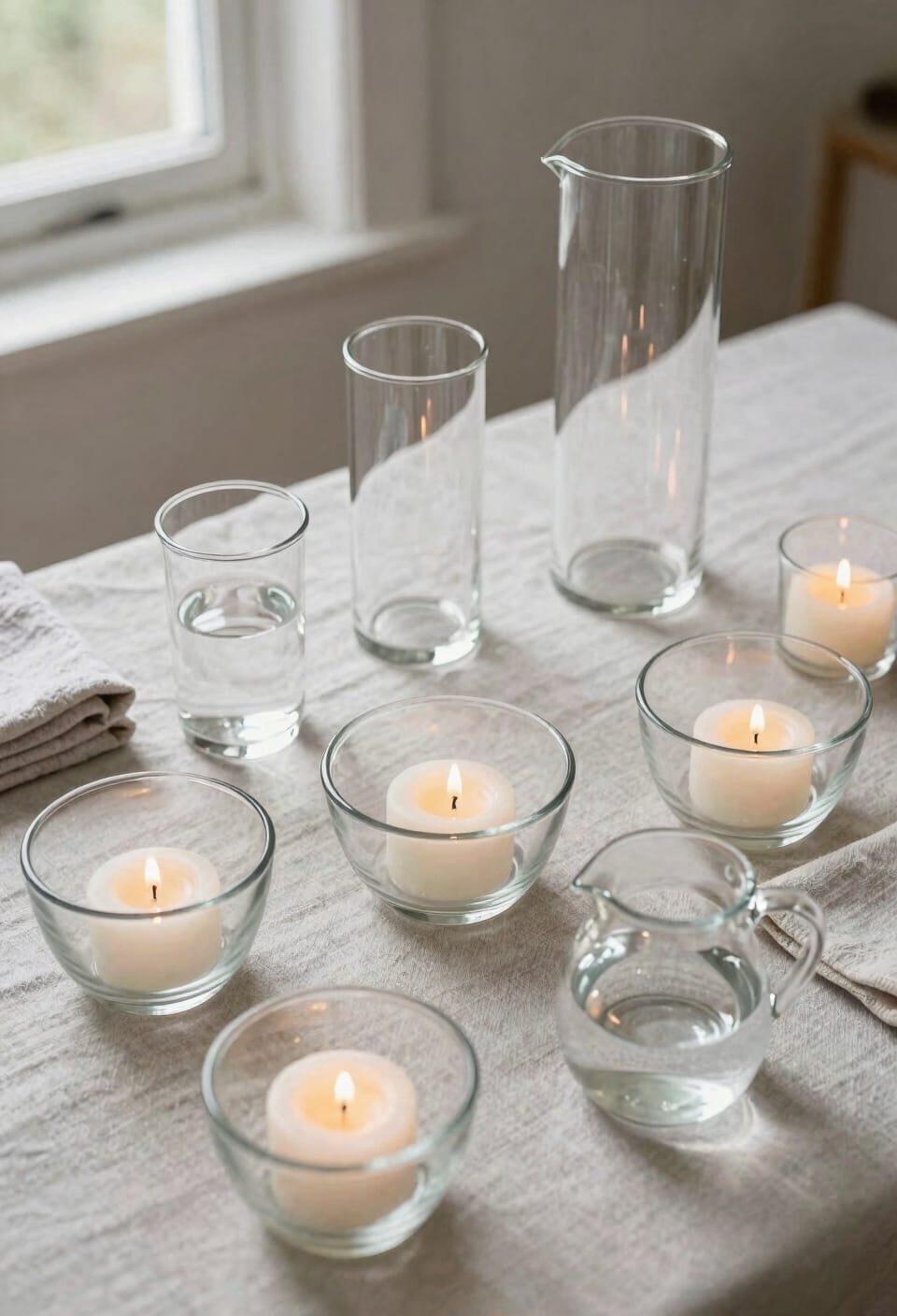
For vessel placement, choose a flat, heat-resistant surface away from drafts and anything flammable. Surface preparation matters too—wipe down your table or shelf so nothing tips over. Use large containers that give your candles breathing room. Grab a funnel if you’ve got one; filling these things without splashing everywhere is genuinely harder than it looks.
Float Your Candles Safely in Water
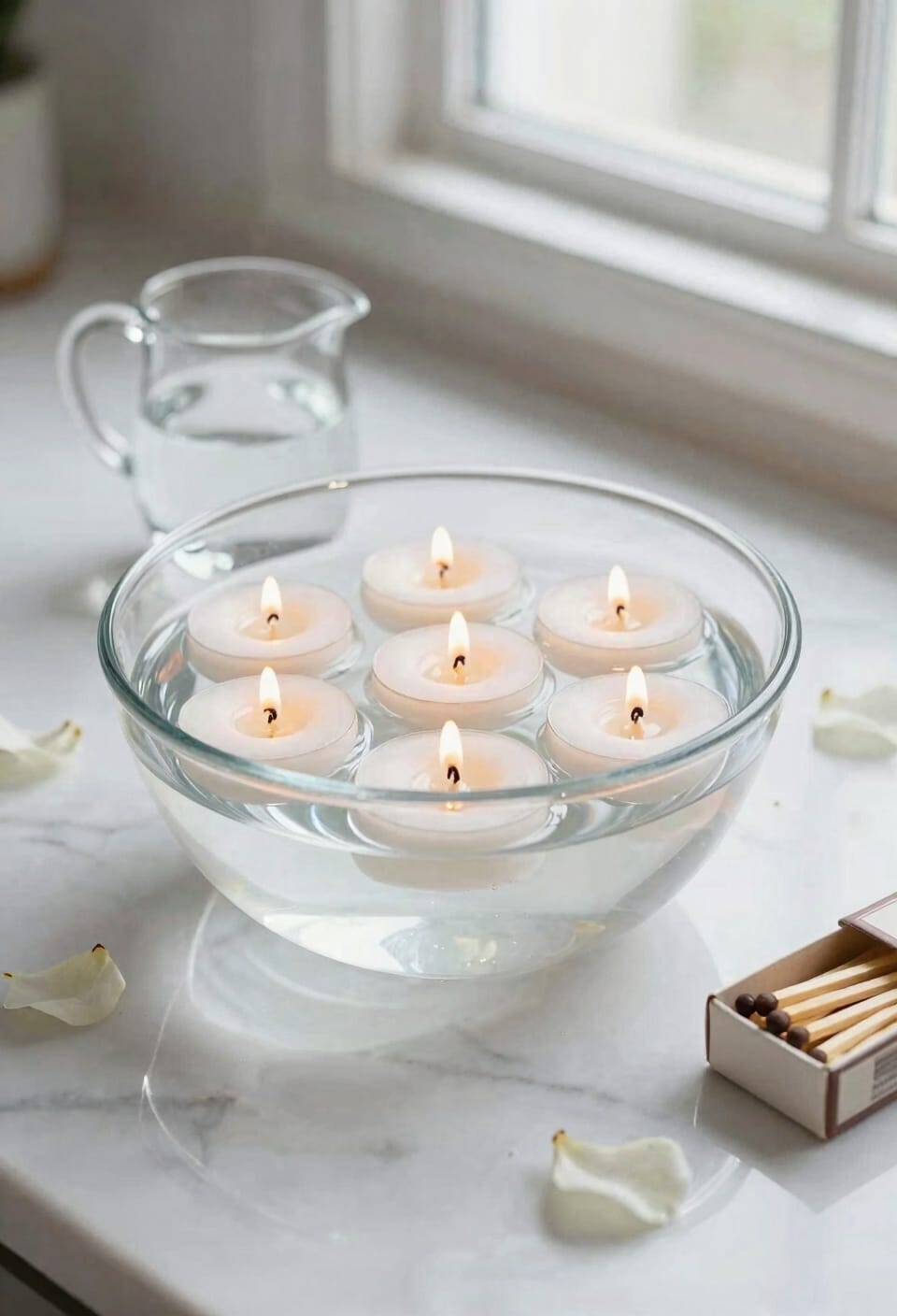
Once your water’s in the vessel and everything’s sitting on a stable surface, it’s time to actually get those candles floating—and yes, there’s a right way to do this. Gently place your candles onto the water’s surface and let them find their natural balance. Space them out so they’re not crowded; you want room for that bobbing movement that makes floating candles so satisfying to watch. If you’re adding decorative elements like flower petals or glass beads, position them around the candles to create color contrast without blocking the flame. Keep everything away from the wick, obviously. The ambient scent will travel better when your setup’s stable and your candles have breathing room. That’s it—you’re basically done with the hard part.
Add Decorations Without Fire Risk
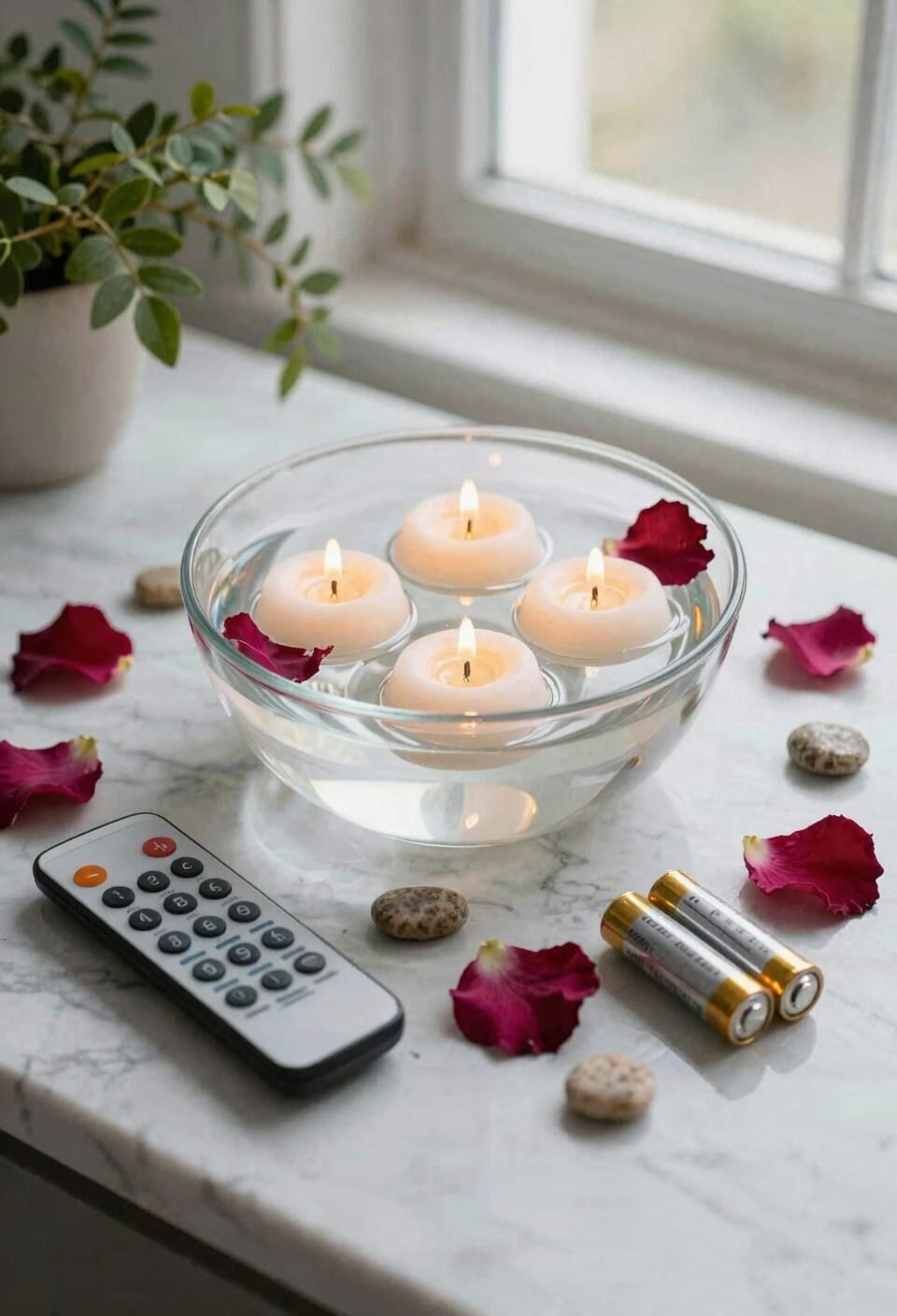
Now that you’ve got your candles floating and spaced just right, here’s where the fun—and the potential chaos—comes in: adding those decorative touches that’ll make your setup actually Instagram-worthy without accidentally creating a fire hazard.
All right, here’s the thing: you want water-safe embellishments that won’t combust or sink your whole operation. Glass beads, pebbles, and flower petals are your friends—they’re totally flame-free centerpieces that add visual interest without threatening your security deposit. Keep anything decorative at least two inches from the wick. Sinking elements like stones add depth; floating leaves and faux flowers create movement.
Skip anything paper-based or too close to heat. You’re decorating, not auditioning for a disaster documentary. Trust me on this one.
Light and Monitor Your Floating Candles Properly
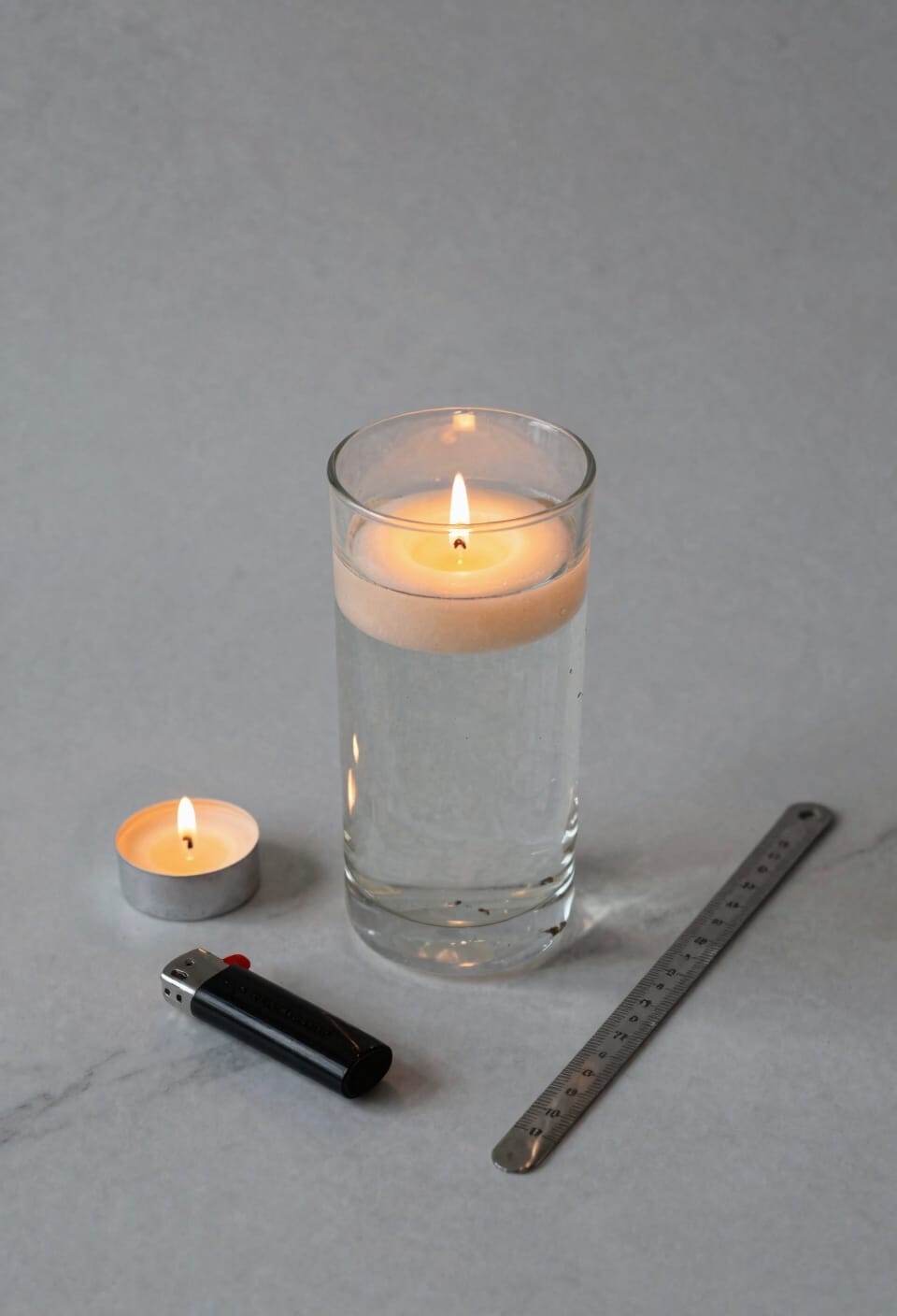
Since you’ve got your decorations safely positioned and your candles floating like little wax boats, it’s time to actually light the things—and then stay put while they burn. First, trim wicks to about ¼ to ½ inch before igniting. Longer wicks create mushroom-shaped char that causes uneven burning and excess smoke. Light carefully with matches or a long lighter, keeping water away from the flame. Now supervise burns closely—never leave floating candles unattended, especially around kids or pets. Limit burn time to three or four hours maximum to prevent overheating your vessel. Blow them out before the wax burns completely down. That’s it. Stay nearby, keep an eye on things, and you’ll actually enjoy those candles instead of stressing about disaster.
Protect Floating Candles From Wind and Hazards
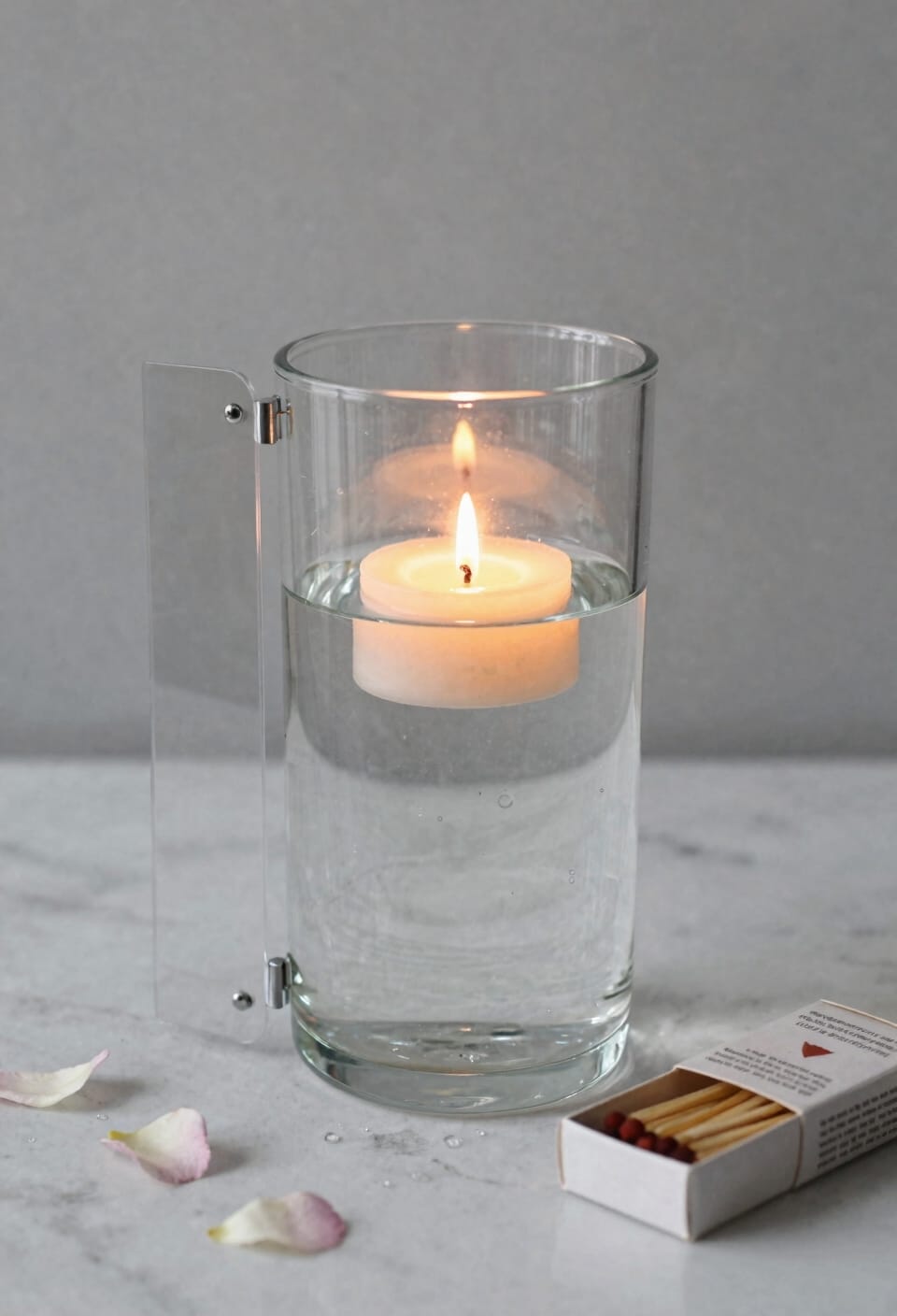
When you’ve spent time setting up your floating candles just right, the last thing you want is a stray breeze or careless hand to wreck the whole scene. Wind’s honestly the enemy here—it’ll knock your candles sideways, extinguish flames, and generally sabotage your vibe. If you’re outside, consider using secure candle holders designed for floating setups or weighted floats that anchor candles deeper in water. Indoors, keep your vessels away from open windows, fans, and air vents. Position them on stable surfaces where nobody’s accidentally bumping them during conversation. Monitor the setup regularly, especially if you’ve got kids or pets roaming around. A knocked-over candle isn’t just ruined ambiance—it’s a real fire hazard. Stay vigilant.
Blow Out Your Candles Safely
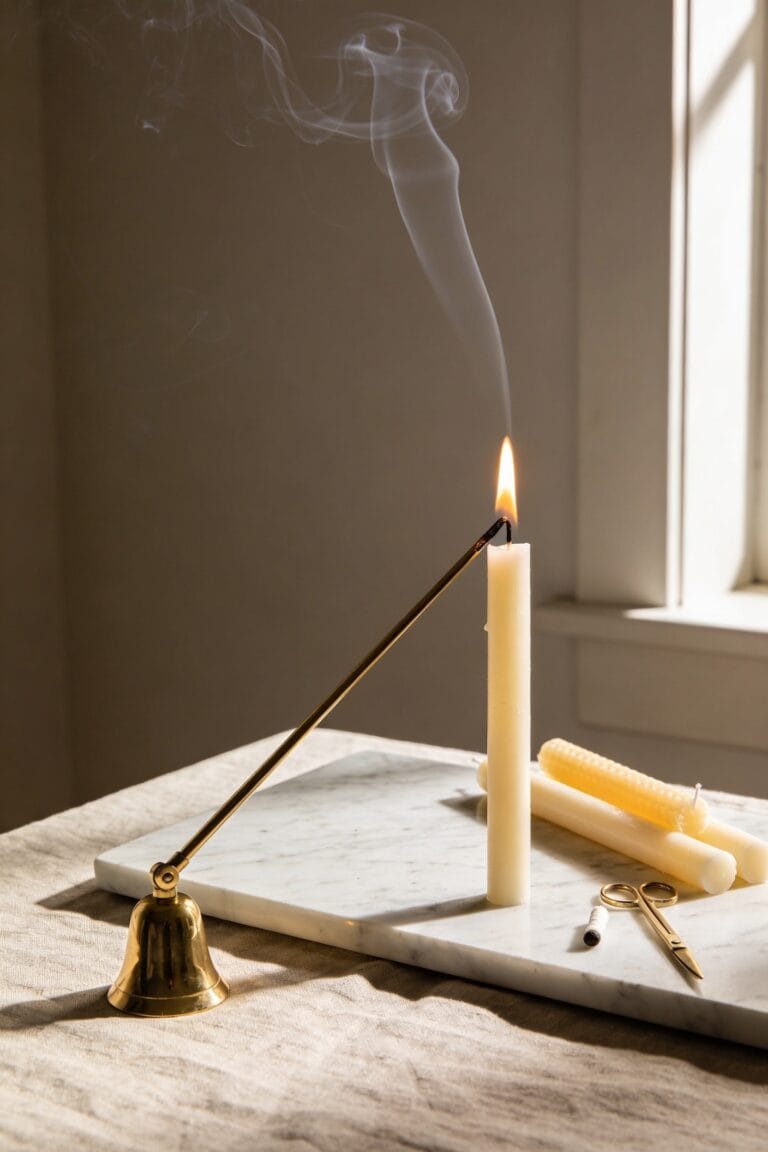
The moment your floating candles have done their job—created that perfect ambiance, filled the room with that cozy glow you were after—you’ve still got to close them out properly, and I’m not just talking about blowing them out like you’re making a birthday wish. Here’s the thing: blowing hard can splash water everywhere and scatter embers. Instead, use smothering techniques like a candle snuffer (a little bell-shaped tool that suffocates the flame) or gently lower a card over the wick. Never leave a lit candle unattended, especially near flammable items. If flames get out of control, know your emergency evacuation route and grab your fire extinguisher. Blow out before the candle burns down completely—you’re protecting that vessel from heat damage.
Frequently Asked Questions
How Long Can Floating Candles Safely Burn Before Requiring Replacement?
I’d recommend limiting your burn time to 3-4 hours maximum. I always trim the wick to ¼-½ inch before lighting, which helps control the flame and prevents overheating. You’ll want to blow yours out before it reaches the bottom.
Can Regular Candles Be Used as Floating Candles in Water?
No, I wouldn’t recommend regular candles for water. They’re not designed for floating and will absorb water, ruining the wick trimming and scent diffusion. You’ll need quality floating candles specifically made for water use.
What Should I Do if a Floating Candle Tips Over in Water?
If your floating candle tips over, I’d immediately blow it out and carefully right it. Check that trimmed wicks aren’t waterlogged. You’ll need to replace the water to compensate for evaporative loss and relight it safely.
How Often Should I Change the Water in Floating Candle Vessels?
I’d change your water weekly—not monthly—to prevent mineral buildup. Fresh water keeps vessels clean and candles floating properly. While neglect dulls their beauty, regular refreshes maintain that pristine, elegant glow you’re after.
Are Floating Candles Safe to Use Around Children and Pets?
I’d say floating candles require careful child supervision and pose pet hazards, so they’re safest in controlled environments. Never leave them unattended around kids or animals—they can tip vessels or knock over flames.
Conclusion
Look, floating candles are like trust—beautiful when they work, but requiring genuine attention to maintenance. You’ve got the knowledge now to set them up right, keep them burning safely, and actually enjoy them instead of stressing. Your floating candle moment doesn’t have to end in disaster. Follow these steps, stay present while they’re lit, and you’ll nail the ambiance every single time. You’ve got this.