As an Amazon Associate, we earn from qualifying purchases. Some links on this site are affiliate links at no extra cost to you. Our recommendations are based on thorough research and editorial judgment.

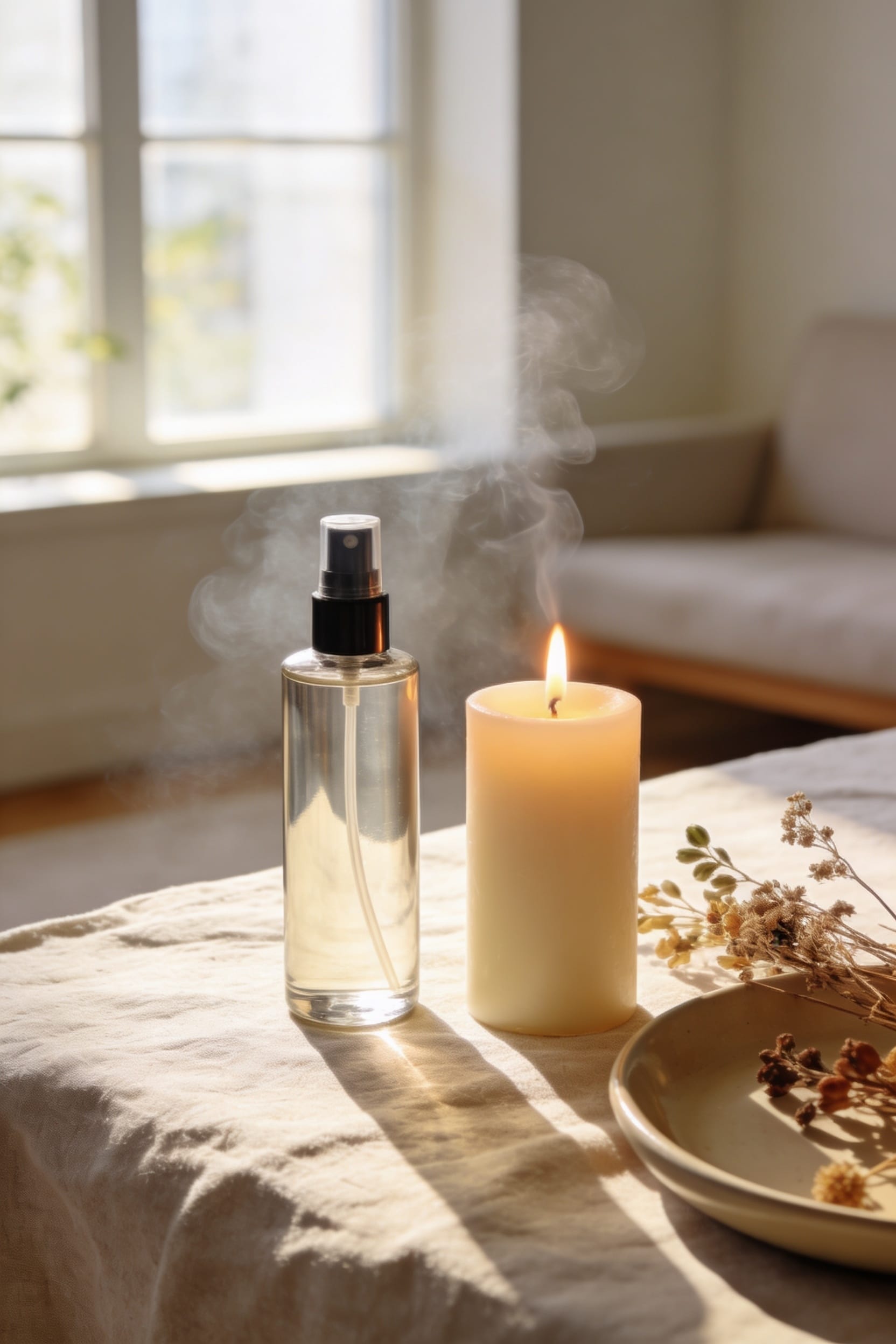
Room Spray vs. Candle: Which Fills a Room With Scent Faster?

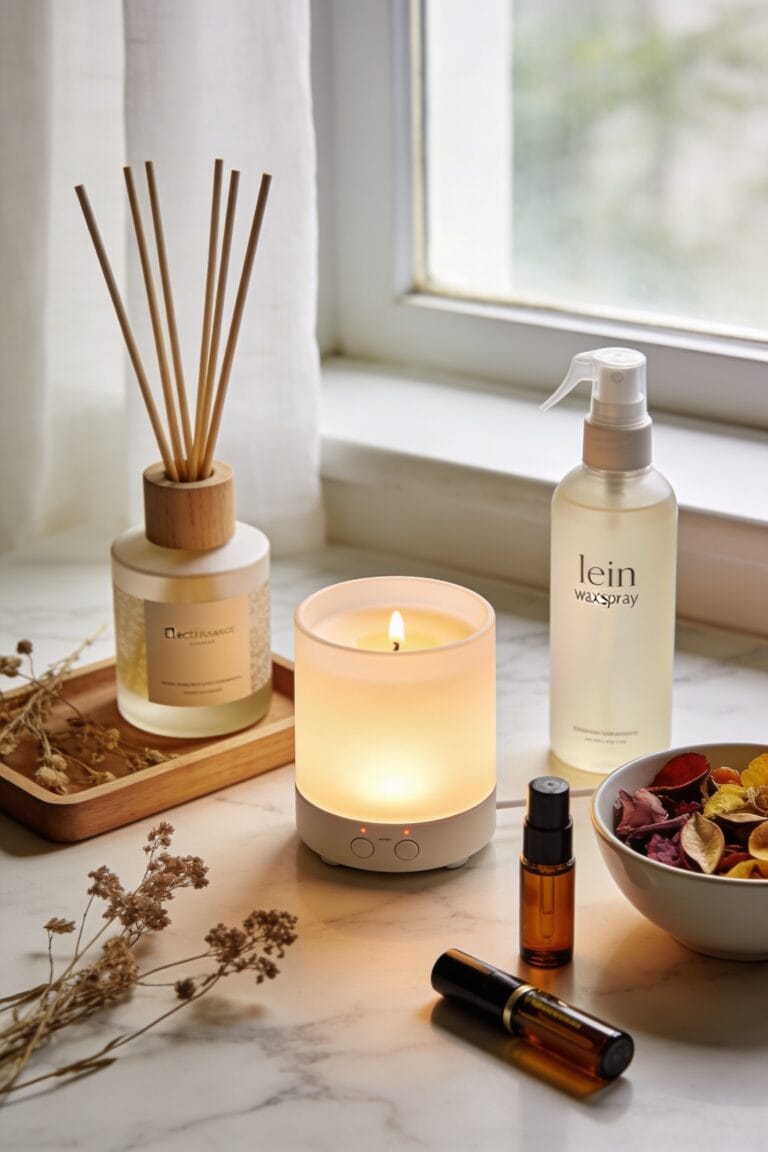
Room sprays win the speed race—one or two quick mists flood your space with fragrance in seconds because the pressurized mist releases scent particles directly into the air. Candles need time. Heat has to melt the wax pool, vaporize the fragrance molecules trapped inside, and let diffusion work its magic, which typically takes several minutes. But here’s the trade-off: spray scent fades fast, while a lit candle sticks around. The real strategy? Layer them together for instant freshness plus staying power.
Key Takeaways
- Room sprays deliver fragrance in seconds through pressurized mist, while candles require minutes for wax melting and heat buildup.
- Spray scent reaches olfactory receptors almost instantly as airborne particles evaporate rapidly into the air.
- Candles depend on capillary action transporting melted wax up the wick before combustion vaporizes fragrance molecules.
- Smaller rooms reach peak scent faster with sprays; larger open spaces benefit more from candles’ sustained throw.
- Layering both methods provides instant freshness from spray followed by long-lasting ambiance as candle heat intensifies over time.
When Speed Matters: Room Sprays vs. Candles
Look, if you’ve got guests arriving in five minutes and your kitchen smells like last night’s fish tacos, a candle isn’t going to cut it—you need a room spray, and you need it now. Room sprays deliver that instant ambiance through one or two quick mists, flooding your space with fragrance before anyone rings the doorbell. Candles? They’re the slow burn—literally. Heat gradually intensifies diffusion, building scent throw over time, which is lovely for a dinner party you planned three days ago, not so much for emergencies. Here’s the thing: room sprays excel at quick refreshes because they work immediately. You’re not waiting. You’re not hoping. You’re just spraying and moving on with your life while that candle’s still warming up.
How Do Room Sprays Deliver Instant Fragrance?
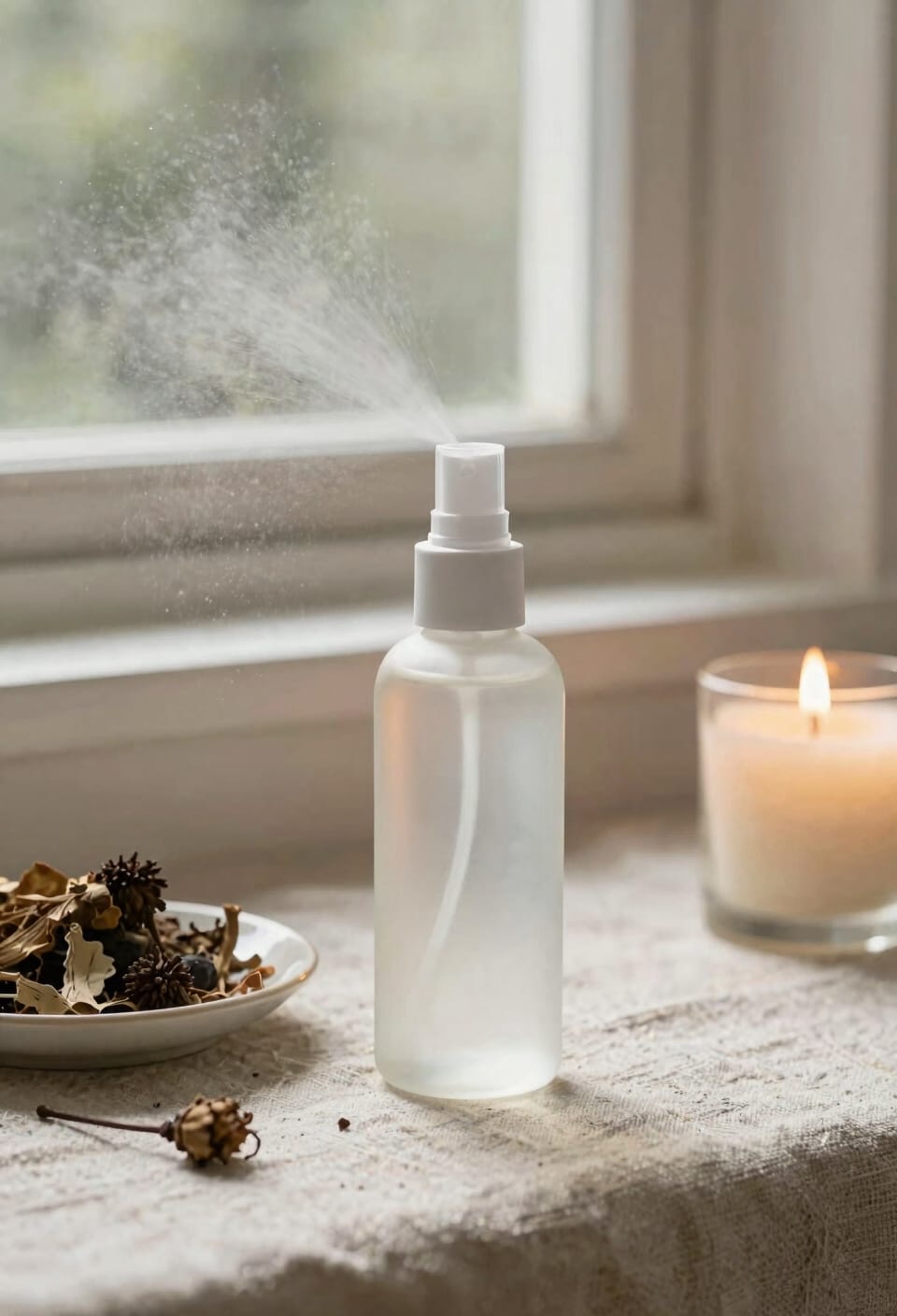
When you press down on that spray nozzle, you’re releasing a pressurized mist of fragrance particles directly into the air, and those molecules disperse almost instantly throughout your space. The magic happens through micelle formation—tiny clusters of fragrance compounds that break apart as they’re propelled outward. Once airborne, droplet evaporation occurs rapidly, especially in dry environments, releasing scent molecules that find their way to your olfactory receptors almost immediately. Your brain experiences neural priming, recognizing the fragrance instantly. That’s why room sprays feel instant compared to candles, which require heat to gradually build diffusion. You get gratification in seconds, not minutes. Perfect for when guests arrive unexpectedly or you’ve burned something in the kitchen. The trade-off? That speed comes with a price—the scent fades just as quickly.
Why Do Candles Need Time to Build Scent Throw?
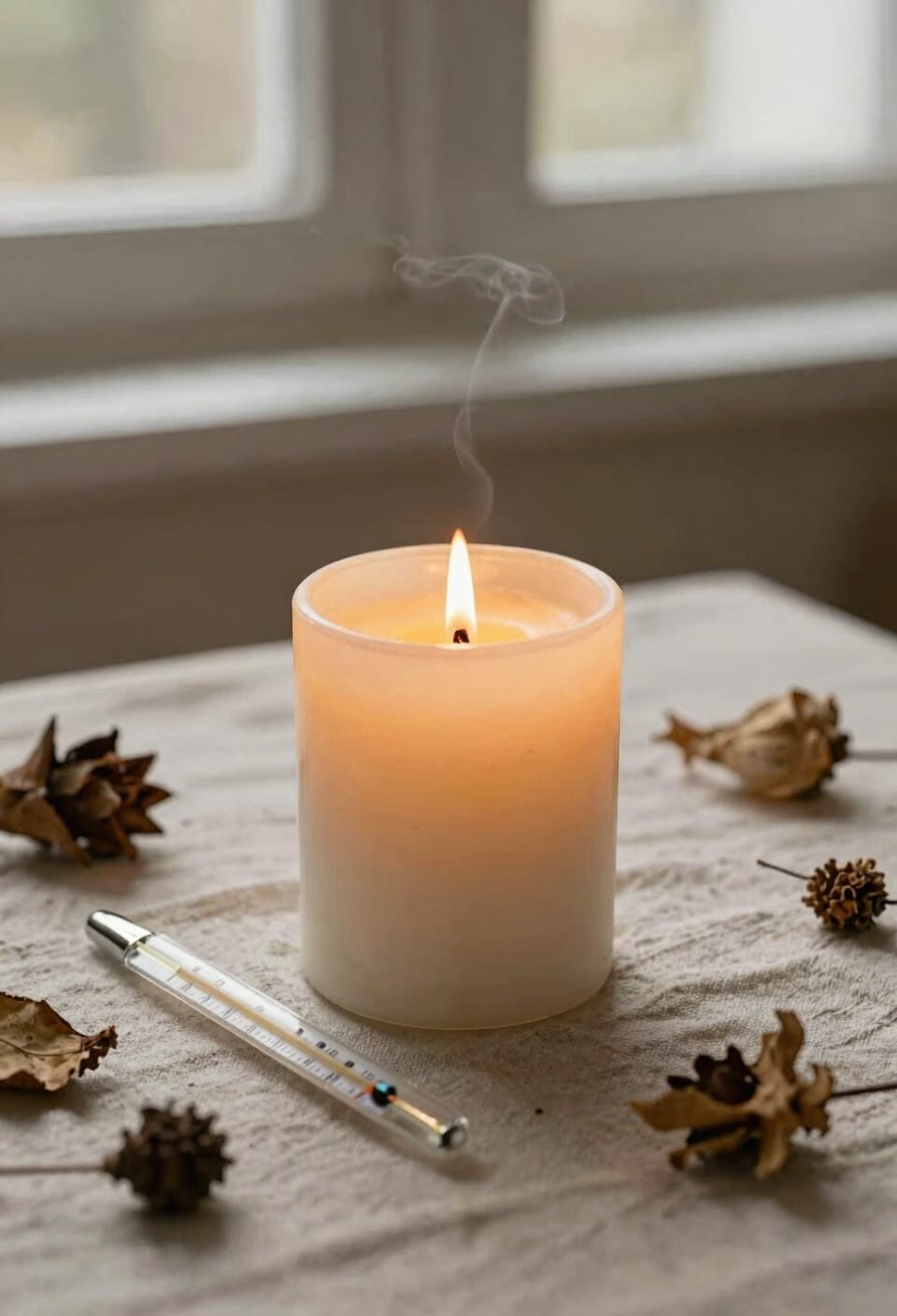
Envision this: you light a candle and expect instant aromatherapy, but instead you’re staring at a small flame that smells like… not much. Here’s the thing—candles operate on completely different physics than room sprays. When you first ignite that wick, the wax needs time to melt into a proper pool. That melting process is pure wax chemistry: heat slowly liquefies the solid material, which then travels up the wick through capillary action. Only then does combustion dynamics kick in, vaporizing fragrance molecules into the air. Your candle’s scent throw faces diffusion barriers too—those invisible walls that keep smell from traveling fast. The heat has to build gradually, intensifying release over minutes, not milliseconds. Patience beats instant every time here.
When Fragrance Speed Matters: Best Room Spray Uses
That’s where room sprays shine. You need instant freshness? One or two mists and you’re done. I reach for quick fresheners when guests arrive unexpectedly or after cooking fish. Travel mists deserve special mention too—they’re perfect for hotel rooms, offices, or anywhere you want immediate scent without setup.
Room sprays excel at targeted odor elimination. Spray the bathroom before someone uses it. Hit the kitchen after that aforementioned fish situation. They’re your emergency fragrance crew, filling gaps candles can’t touch.
That said, don’t expect room spray magic to linger. You’re buying convenience and speed here, not longevity. Use them strategically and you’ll appreciate what they actually do best.
When Ambiance Beats Speed: Candle Scenarios
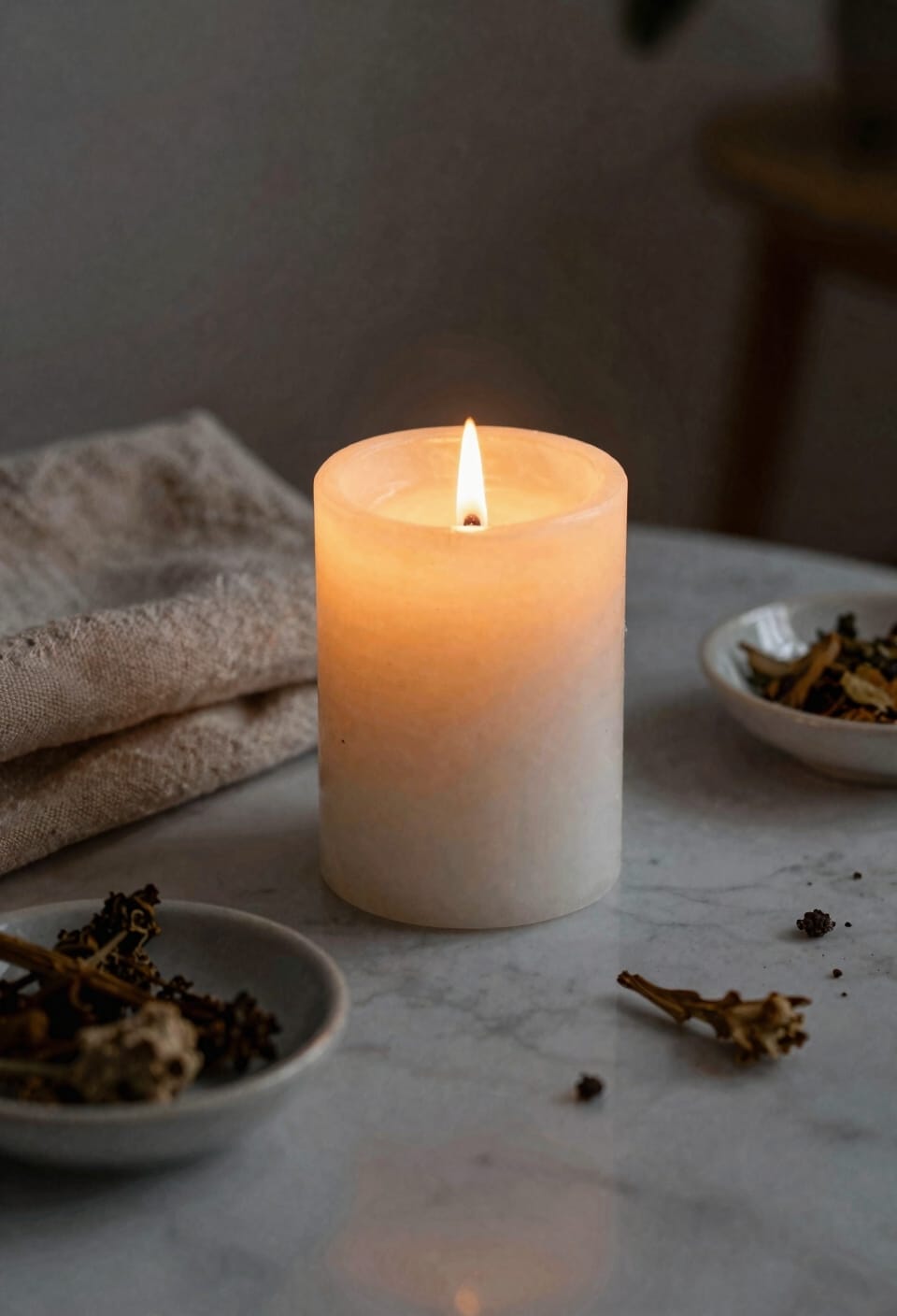
Now, here’s the thing—speed isn’t everything. When you’re lighting a candle for a dinner party or a quiet evening, you’re not just chasing scent. You’re building ritual. That soft lighting creates mood while the fragrance slowly unfolds, and you’re engaging in something tactile and intentional—trimming the wick, placing the holder just right, watching the flame dance. Sure, a room spray hits instantly, but a candle’s gradual release matches how you actually want to experience the evening. You settle in. The scent builds as the wax melts, creating this enveloping atmosphere that a quick mist can’t replicate. Sometimes the best choice isn’t about filling your room fastest—it’s about filling it *right*.
Speed Tips: Layering Sprays and Candles Together
All right, here’s where things get interesting—you don’t have to choose between speed and ambiance if you’re willing to layer them strategically. I use a room spray for that instant hit, then light a candle for sustained scent layering that builds as the wax melts. The diffusion balance works because the spray handles your immediate needs while the candle takes over, creating continuous fragrance without the sharp, chemical bite you’d get from overspraying. It’s honestly my favorite move for dinner parties—quick freshness upfront, then settling into something warm and intentional. Just don’t spray directly at the flame. I learned that the hard way, and fire extinguishers aren’t exactly ambiance-friendly.
Room Size Changes the Speed Game: Here’s How
Room size fundamentally changes how fast a spray or candle actually works, and honestly, this is where a lot of people’s scenting strategies fall apart. You can’t expect a single candle to fill your entire open-concept kitchen-living-room combo with the same speed it’d hit a cozy bedroom. Room volume matters tremendously. In smaller spaces, a spray reaches peak scent intensity almost instantly because there’s less air to saturate. Candles perform similarly well here too. But larger rooms? They demand patience from candles and multiple sprays from you. Air circulation plays a huge role—a ceiling fan speeds things up dramatically, while sealed bathrooms trap fragrance faster. Match your tool to your space, and you’ll finally stop wondering why your scenting feels off.
Decision Matrix: Spray vs. Candle by Your Priority
Once you’ve figured out how your space actually behaves, the next move is matching your scenting method to what matters most to you—and I mean *actually* matters, not what you think should matter. Your scent preference shapes everything. If you crave instant gratification, spray wins every time. But if you’re after sustained mood and safety considerations matter (hello, pet owners and parents), candles deliver steady presence without open-flame anxiety. Ask yourself: do you need speed or staying power? Quick odor elimination or atmospheric ritual? The answer isn’t complicated. Spray handles emergencies. Candles handle evenings. Neither’s better—they’re just solving different problems for different moments in your life.
Frequently Asked Questions
Do Room Sprays Leave Sticky Residue on Furniture or Walls Over Time?
I’d say room sprays rarely leave sticky residue if you’re using them properly. However, excessive, repeated spraying can cause residue buildup and surface discoloration over time on furniture and walls.
Can Candle Soot Affect Air Quality or Damage Ceiling Paint?
I’d love to tell you candles’re harmless, but honestly? Yes, soot damages ceilings and air quality. You’ll notice candle discoloration on paint. Soot cleanup requires effort—I’ve learned this the hard way with blackened walls.
Which Option Is More Cost-Effective for Year-Round Room Freshening?
I’d recommend room sprays for year-round scent economy. They’ve got affordable refill systems and lower maintenance costs than candles’ energy use. You’ll save money reapplying sprays strategically versus burning candles continuously.
Are Synthetic Fragrances in Sprays Safer Than Candle Paraffin Emissions?
I’ve got to be honest—it’s complicated. Neither’s inherently safer. Synthetic toxicity concerns exist in both sprays and paraffin candles. You’ll want emission testing results before deciding which product truly protects your home’s air quality best.
How Do Humidity Levels Impact Room Spray Versus Candle Performance?
I’ve found that humidity weakens room spray performance since moisture absorbs fragrance particles, while candles thrive in humid conditions. Temperature variance and airflow patterns markedly affect diffusion—candles benefit from warmth, sprays from air circulation.
Conclusion
Look, I get it—you want instant gratification, and room sprays deliver that rush. But here’s what you’re missing: that spray fades in minutes, leaving you chasing the ghost of fragrance. A candle? It’s still going strong an hour later, filling your whole space with warmth you can actually *feel*. Sometimes the fastest choice isn’t the smartest one. You’ve got time for this.