As an Amazon Associate, we earn from qualifying purchases. Some links on this site are affiliate links at no extra cost to you. Our recommendations are based on thorough research and editorial judgment.

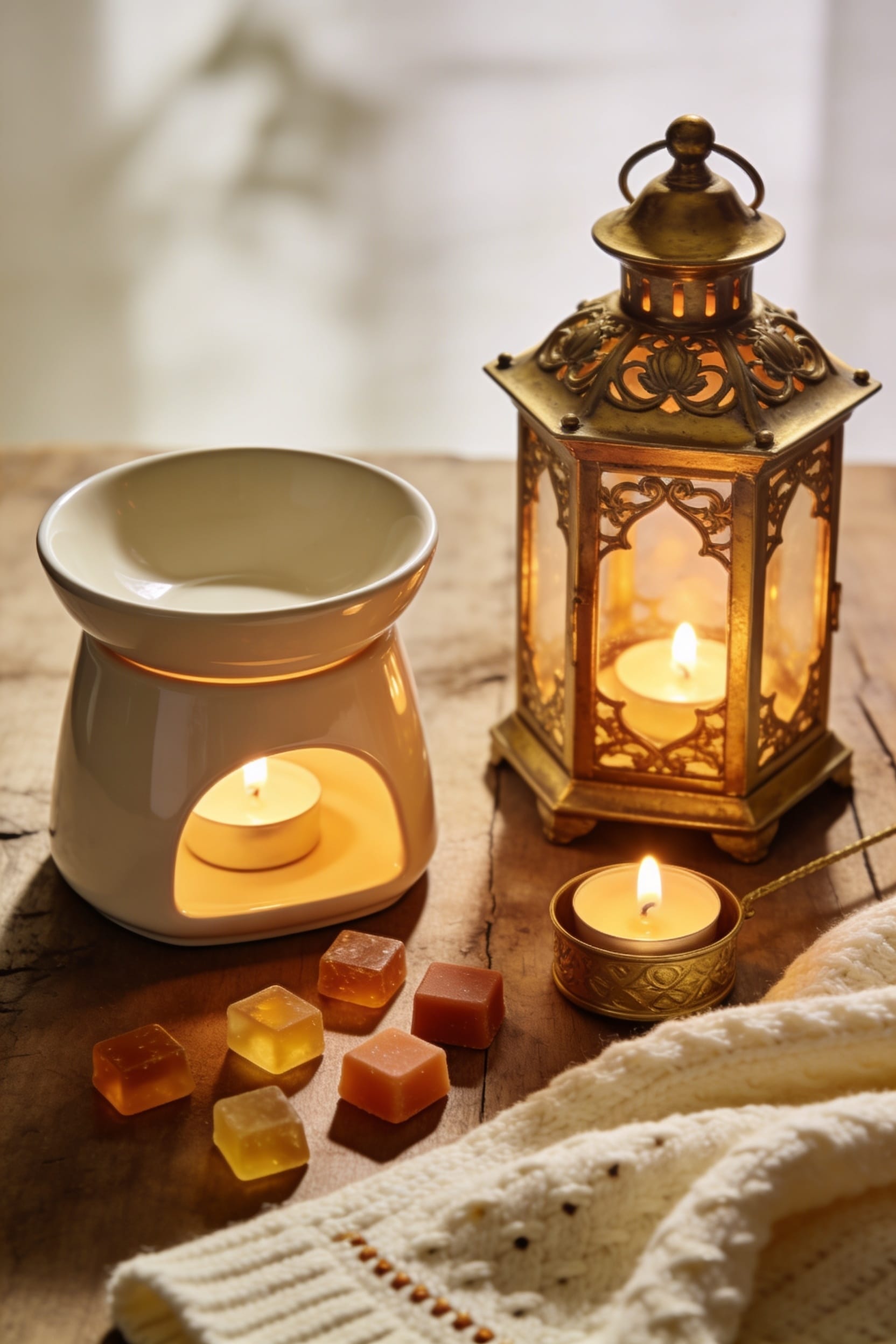
Scentsy vs. Yankee Candle Wax Warmer: Which Is Worth the Money?

Look, I’ve watched Yankee candles burn through fragrance like they’re running out of scent tomorrow, while Scentsy wax bars just quietly do their thing for 60 to 80 hours per bar. You’re spending roughly $336 annually on Yankee versus about $145 on Scentsy—that’s nearly $200 back in your pocket. Plus, no flame means no soot coating your walls or toxins floating around. Scentsy’s worth the investment if you actually want fragrance that sticks around.
Key Takeaways
- Scentsy costs approximately $145 annually versus Yankee’s $336, saving users roughly $191 per year with similar usage patterns.
- Scentsy wax bars last 60-80 hours per bar through gentle warming, while Yankee candles fade quickly due to combustion.
- Scentsy produces no soot or toxins since it uses flameless electric warming, protecting indoor air quality and home surfaces.
- Scentsy’s controlled fragrance release provides sustained scent diffusion with better room coverage compared to Yankee’s rapid initial scent release.
- Scentsy offers earning potential through consultants, party hosts, and subscriptions, providing additional value beyond basic product purchases.
How Scentsy Works vs. Burning Candles
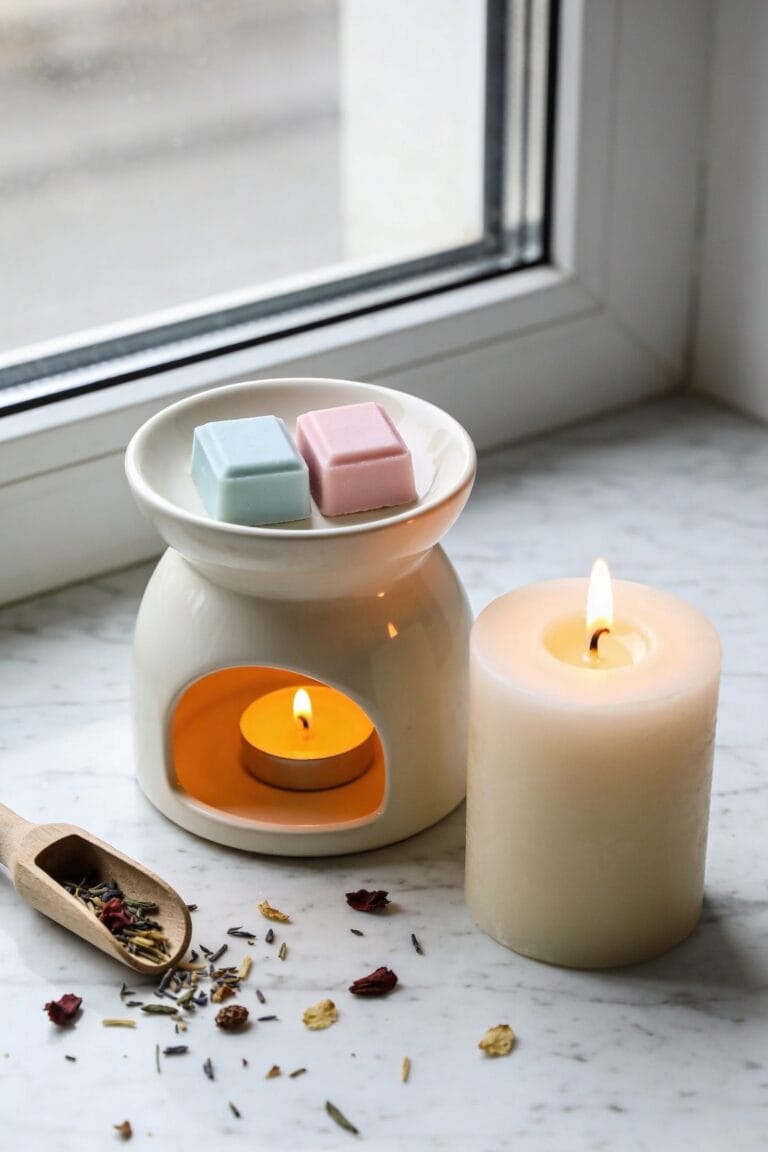
When you light a traditional candle, you’re literally burning wax and fragrance oil together—the flame heats everything up, and a lot of that scent just evaporates into the air in one big rush instead of sticking around. Scentsy works completely differently. It uses a low-watt electric bulb—think 25 watts—to gently warm your wax bar without any flame. This scent chemistry approach means you’re not burning anything off. You’re achieving electric diffusion, where fragrance releases gradually and steadily over 60 to 80 hours per bar. No soot. No toxins. No headaches from overpowering scent burnout. You control when to swap bars, and the fragrance actually lingers in your space instead of vanishing before you’ve even finished your first cup of coffee.
Scentsy vs. Yankee: Real Annual Cost
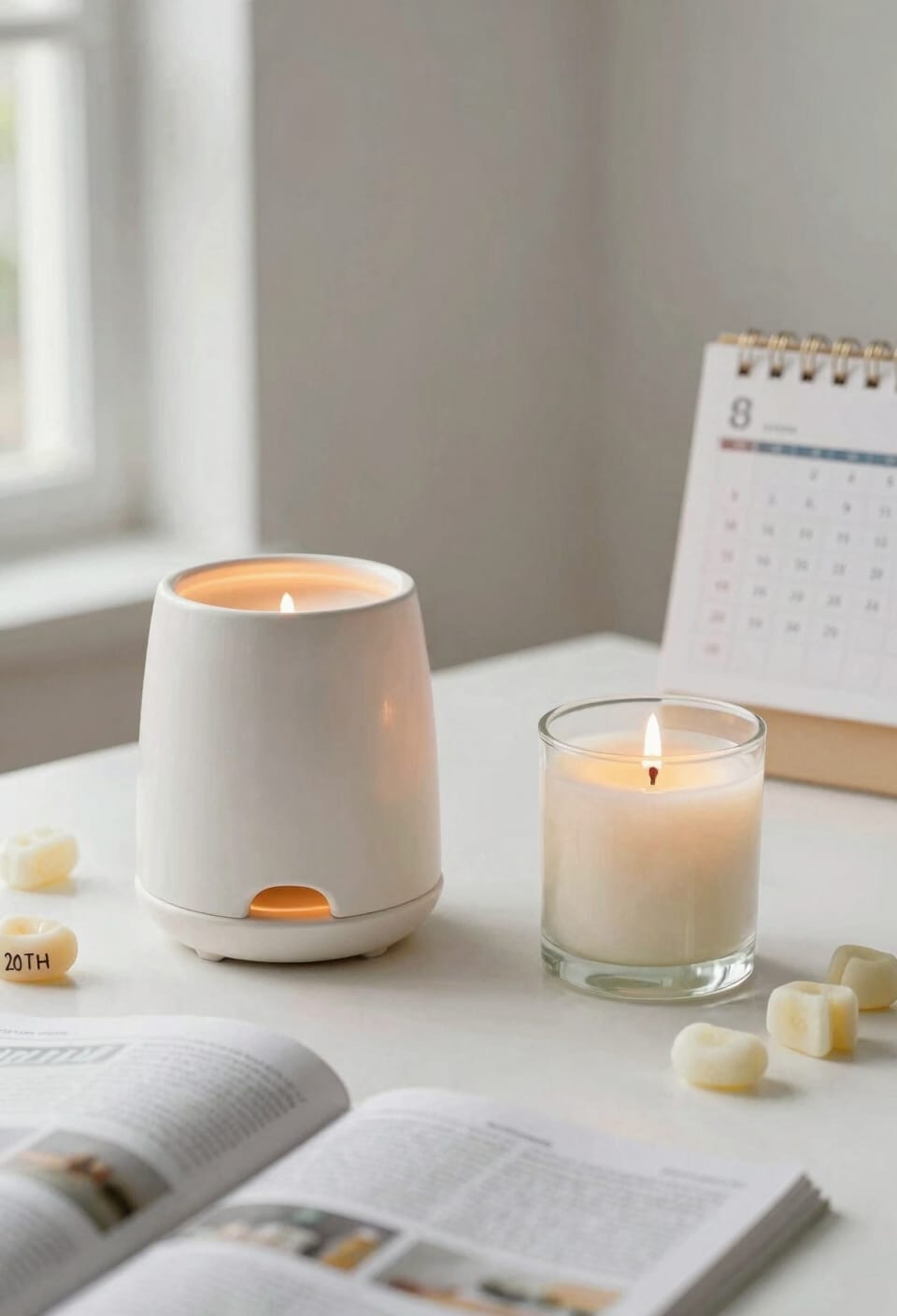
Calculating what you’ll actually spend on scent over a year—not just the price tag on a single candle or warmer—is where things get really interesting. You’re looking at roughly $145 annually for Scentsy when you factor in wax, the warmer, and electricity. Yankee? That’ll run you about $336 yearly for similar usage. The gap widens when you explore subscription models and bulk discounts. Scentsy consultants snag over $200 in yearly savings, while party hosts earn free supplies. Your initial warmer investment lands around $30. Once you do the math, Scentsy’s cost-per-hour ($0.07) crushes the competition. That’s not just better—it’s genuinely wallet-friendly over time.
Why Scentsy Lasts Longer Than Yankee Candles
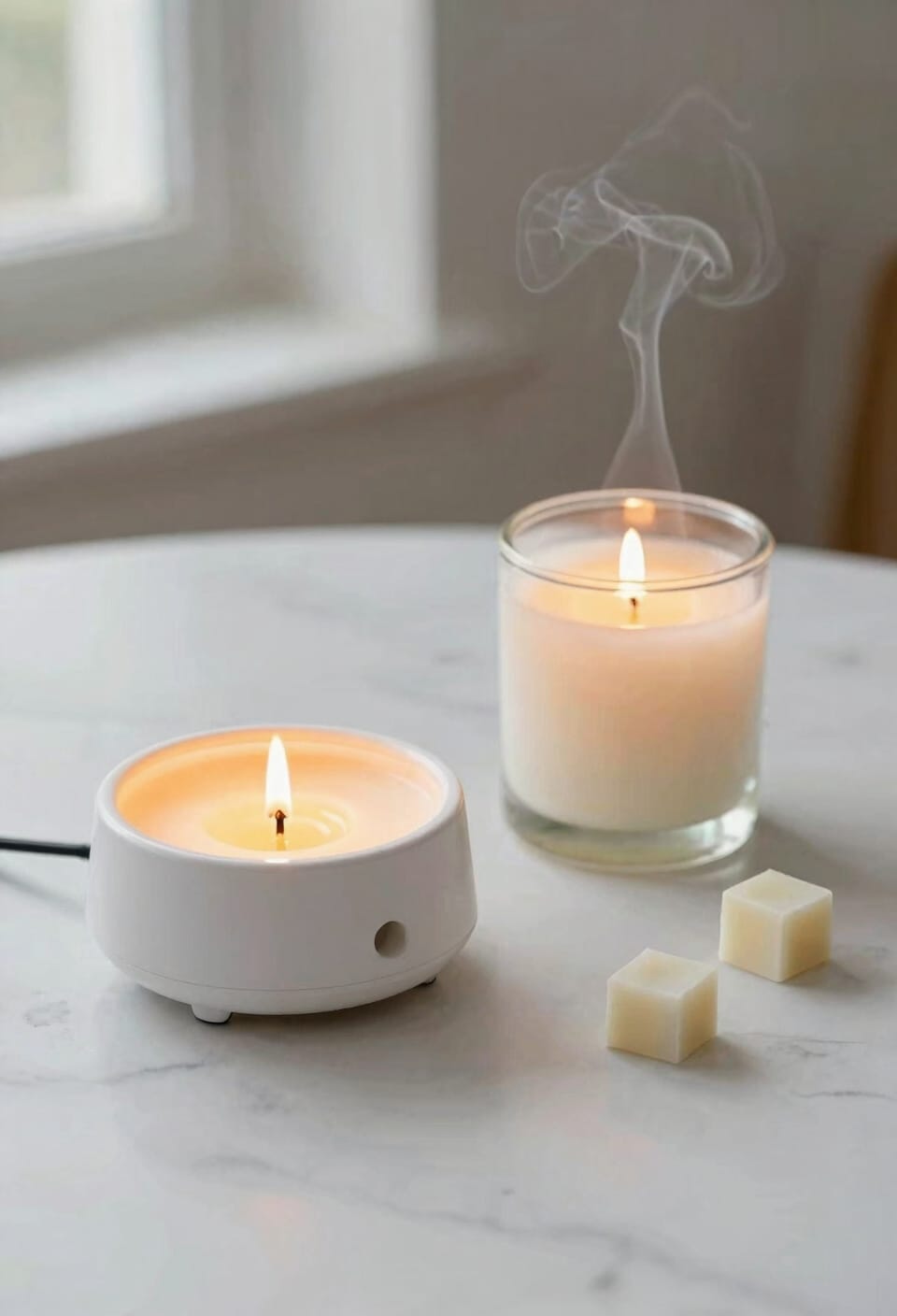
Because Scentsy bars use a gentle 25-watt warming bulb instead of an open flame, they’re not burning through fragrance the moment you light them up—and that’s the entire game right there. Yankee candles evaporate their scent rapidly through combustion, which means you’re losing fragrance intensity fast. Scentsy’s waxy formulation works differently. The thermal diffusion process gently melts your wax without burning it off, so you’re getting sustained scent release over 60 to 80 hours per bar. Some users even report exceeding 80 hours. You’re controlling how much fragrance enters your space, not watching it vanish into vapor. That’s why Scentsy bars outlast Yankee candles by a landslide—literally four times longer.
Safety and Air Quality: Scentsy vs. Yankee
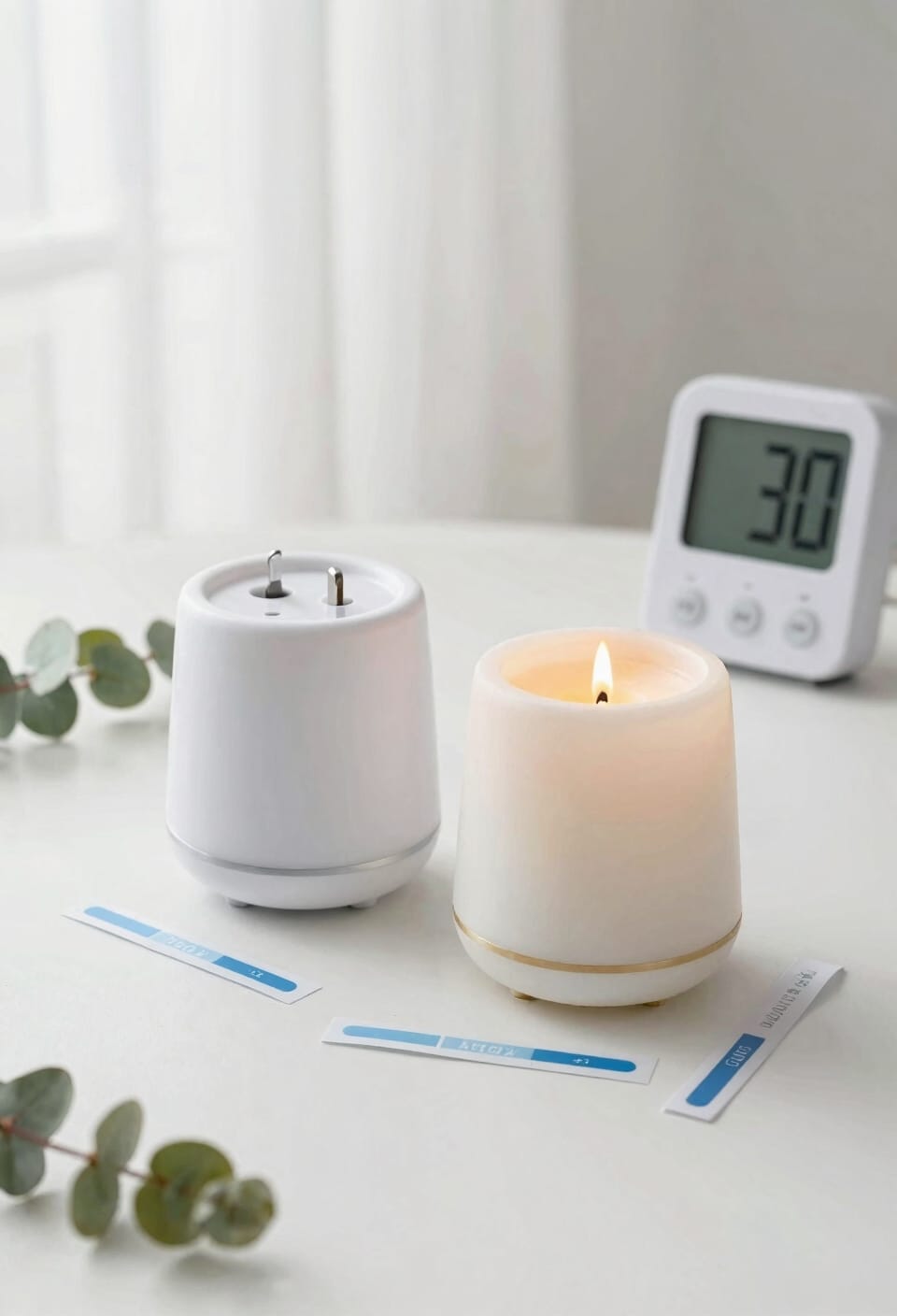
If you’ve ever looked up at your ceiling after burning Yankee candles for a few months and wondered why it looks like you’ve been hosting a tiny indoor campfire, you’re not alone—that’s soot, and it’s basically the candle world’s way of saying something’s gone wrong. Burning wicks release airborne particulates that settle on your walls and ceiling, eventually turning them dingy. Scentsy’s flameless warming approach? It eliminates that problem entirely. You’re not combusting anything, so there’s no soot, no toxins floating around, and no damage to your home’s surfaces. Plus, since Scentsy doesn’t burn off fragrance in one aggressive hit, your indoor humidity stays stable and your air quality stays cleaner. Your lungs—and your ceiling paint—will thank you.
Which Scent Throws Farther: Scentsy or Yankee?
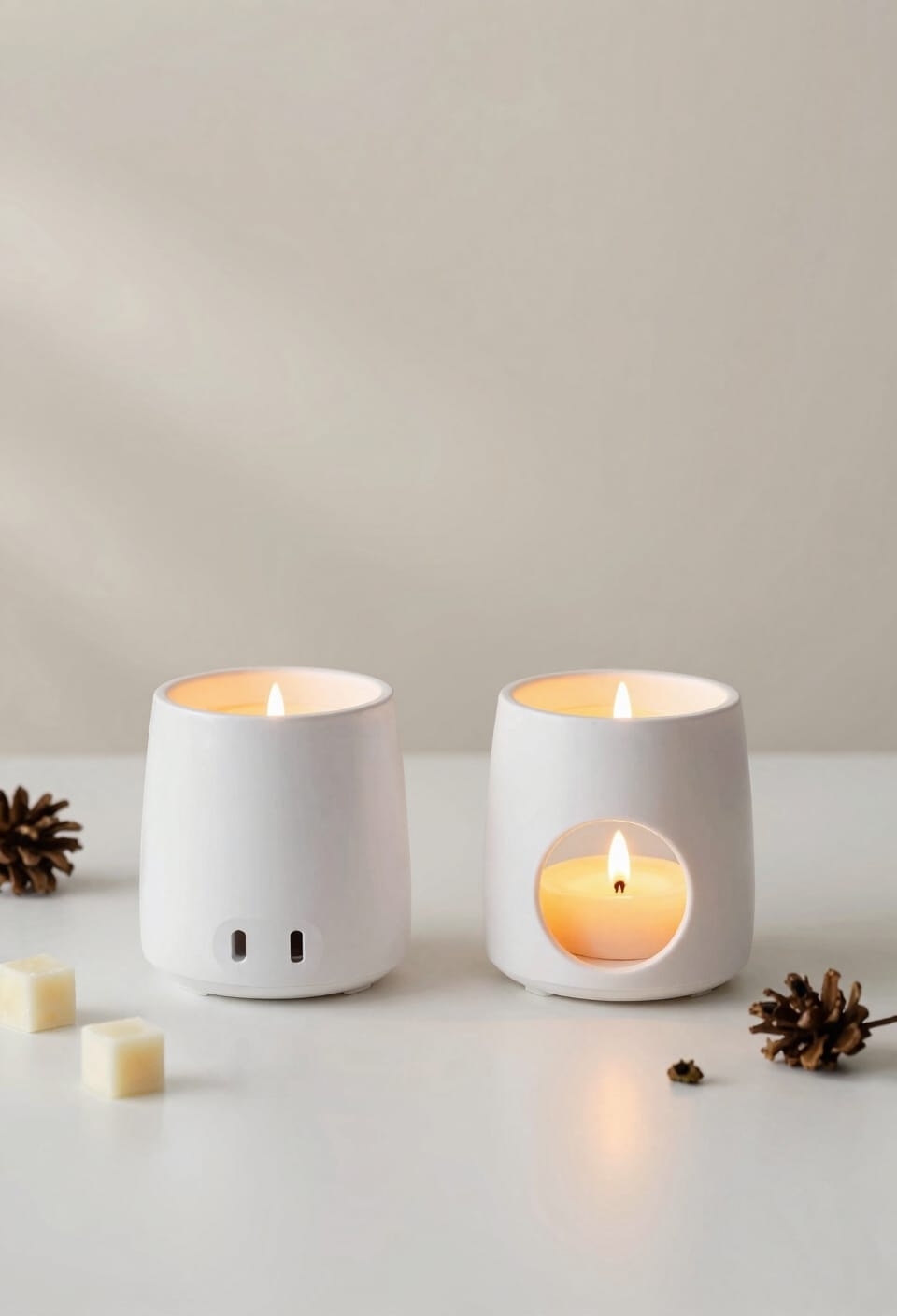
Now, we’ve covered the health wins—no soot, no toxins, no ruined ceiling—but there’s another reason people get genuinely passionate about their choice between Scentsy and Yankee, and it’s something you’ll notice the moment you walk through your front door: scent throw, which is basically how far and how strong your fragrance travels through a room.
Here’s where Scentsy pulls ahead. The gentle warming method prevents fragrance burnout, meaning you get sustained fragrance diffusion that doesn’t assault your nose and then fade. That controlled room coverage lingers when you’ve been away. Yankee candles? They burn hot and fast, releasing everything at once. You get hit with scent initially, then nothing. Scentsy’s approach—slow, steady, never scorched—wins on longevity and actual throw strength. Jo Malone and other competitors don’t even compete here.
Which System Actually Saves You Money?
Let’s talk about the number that actually matters: what you’ll spend over the course of a year, because honestly, that’s when the real difference between Scentsy and Yankee becomes impossible to ignore. You’re looking at roughly $336 annually for Yankee candles with regular use. Scentsy? Around $145 yearly, warmer included. That’s nearly $191 in your pocket. Now, subscription models shift the math differently—Scentsy parties can net you free supplies, and consultant status releases commissions plus serious savings. Yankee doesn’t offer that earning potential. Plus, Scentsy warmers hold resale value; you can recoup some investment later. The gap widens when you factor in ceiling damage from Yankee soot, which costs real money to fix.
Frequently Asked Questions
Can I Use Yankee Wax Melts Safely in a Scentsy Warmer?
I wouldn’t recommend mixing brands in your Scentsy warmer. Yankee wax melts differ in type and melt unevenly in Scentsy warmers due to wax compatibility issues. You’ll likely experience weaker scent throw than you’d expect.
How Much Does a Scentsy Warmer Cost Initially Before Buying Wax?
A Scentsy warmer costs around $30 initially. I’d recommend checking starter kits, which offer better value by bundling the warmer with wax at a reduced average price compared to purchasing items separately.
Do Scentsy Bars Produce Soot or Damage Walls Like Candles?
I’m thrilled to tell you Scentsy bars won’t destroy your home like flaming candles do. They produce zero soot or wall staining—no scent residue buildup either. You’ll keep pristine walls while enjoying consistent fragrance.
What Are the Health Risks of Burning Traditional Yankee Candles?
I’ll tell you straight: burning traditional Yankee candles releases toxins and harmful vapors near children. Paraffin concerns involve indoor pollutants from the flame, plus soot that damages your walls and ceiling.
Can I Become a Scentsy Consultant to Earn Free Products?
Want to turn your love of scent into income? Yes, you can become a Scentsy consultant and earn commissions on sales, plus access free products yearly. The commission structure rewards your efforts generously.
Conclusion
Look, here’s the thing: choosing between Scentsy and Yankee isn’t about finding the perfect candle—it’s about finding the perfect fit for your wallet and your nose. Both systems have merit, but Scentsy’s flameless design and longer-lasting wax give you more bang for your buck if you’re burning constantly. You’ll spend less money overall, though you’ll pay more upfront. Either way, you’re winning compared to traditional candles.