As an Amazon Associate, we earn from qualifying purchases. Some links on this site are affiliate links at no extra cost to you. Our recommendations are based on thorough research and editorial judgment.

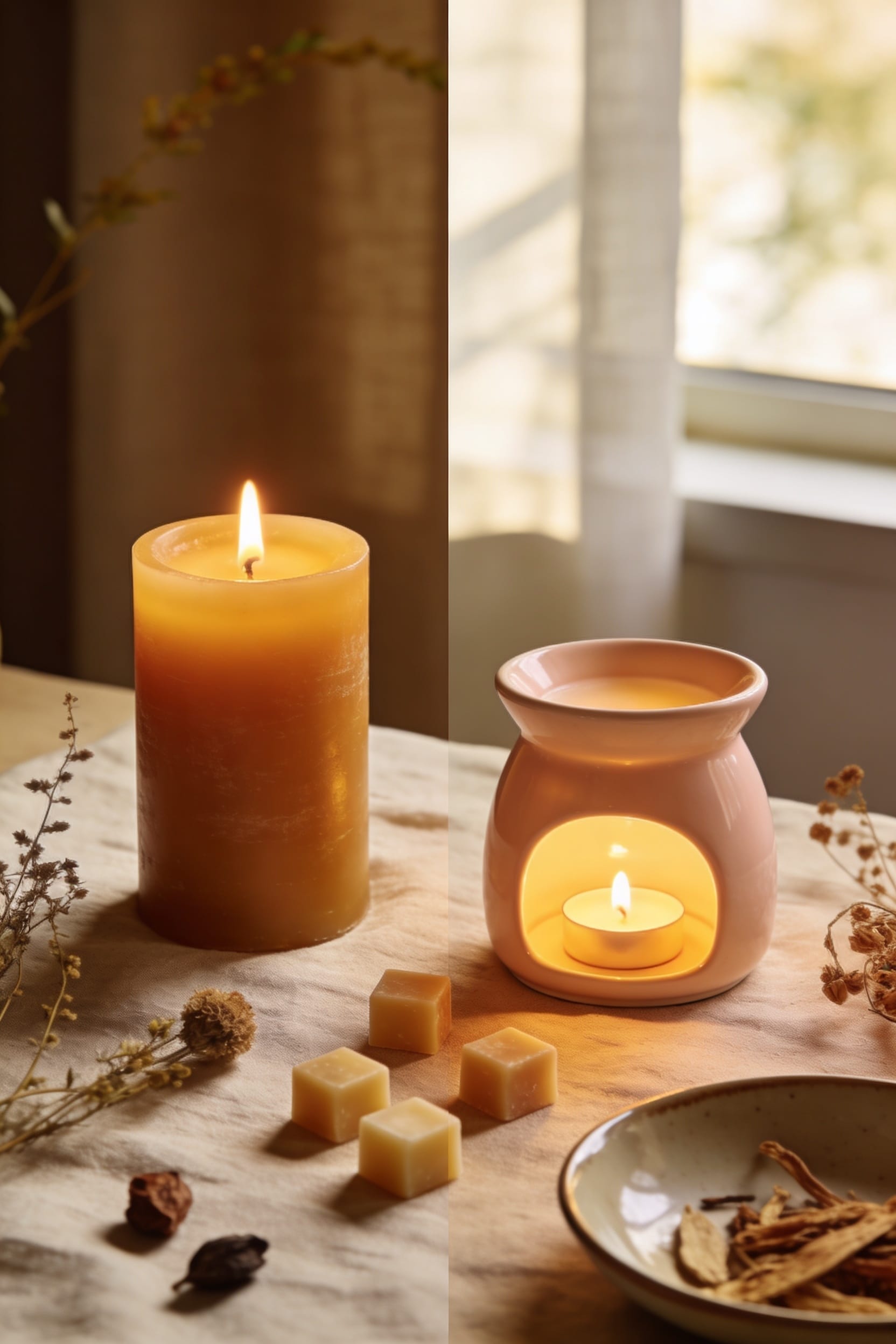
Candles vs. Wax Melts: Full Pros & Cons for Every Home

wax melts win on safety, cost, and convenience—no open flame means fewer fire risks and less babysitting—while candles deliver mood lighting and that cozy glow you can’t replicate with a silent warmer. Melts last longer per dollar, produce less soot, and create less waste, but they’re fragrance-only experiences. Candles cost more and leave unusable wax behind, yet they transform a room’s entire vibe. Your choice depends on whether you prioritize practicality or ambiance, though the full breakdown reveals surprising nuances in performance, sustainability, and health considerations worth understanding first.
Key Takeaways
- Wax melts are safer around children and pets due to eliminated open-flame fire risk and auto shut-off features.
- Wax melts cost less per hour and generate minimal waste compared to candles with unusable leftover wax.
- Candles provide ambiance through flickering flames and decorative vessels; wax melts offer fragrance-only experience without visual appeal.
- Both emit VOCs and nanoparticles; proper ventilation is essential, especially for those with respiratory sensitivity.
- Wax melts require minimal setup and cleanup, while candles demand wick trimming, supervision, and more maintenance.
Wax Melts vs. Candles: Which Is Right for You?
So you’re standing in front of your scent collection wondering whether you should light a candle or pop a wax melt—a cube of scented wax that you warm using a dedicated burner—into your warmer, and honestly, it’s not a bad question to ask yourself.
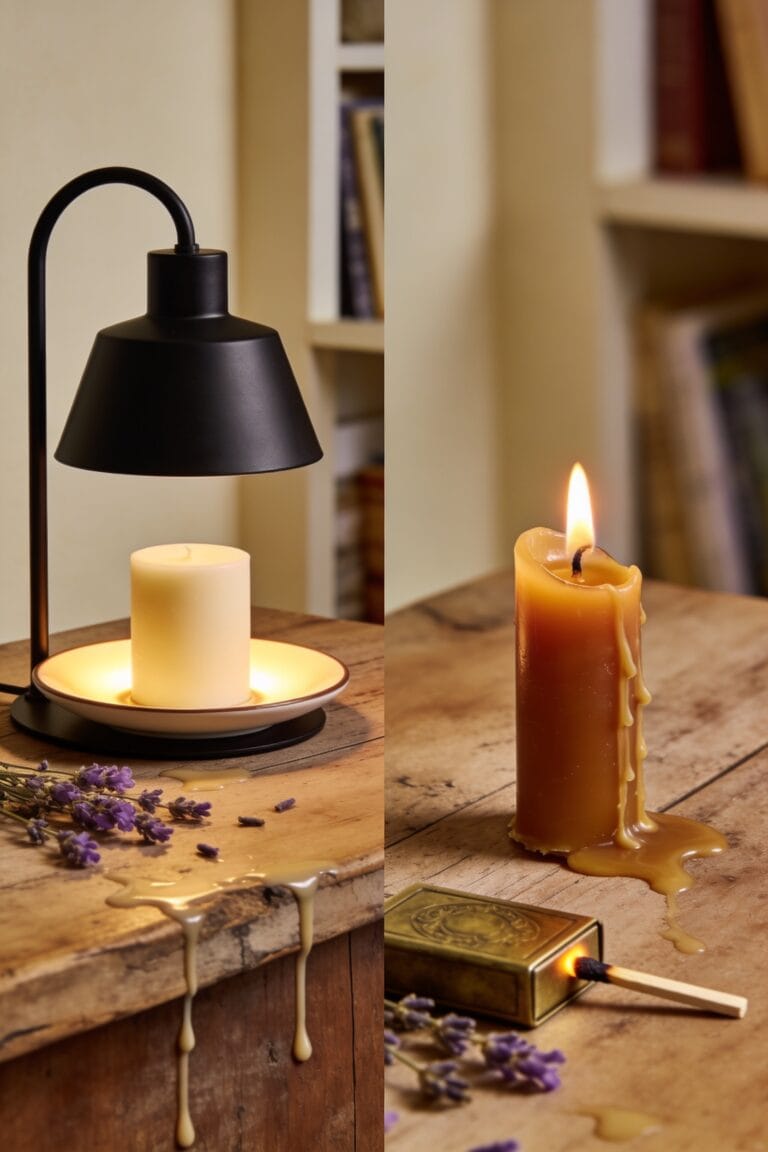
Here’s the thing: your choice depends on what matters most to you. Want ambiance? Candles flicker. Want flexibility and scent layering without waste? Wax melts win. Now, maintenance tips differ too. Candles need wick trimming to prevent tunneling, while wax melts require burner cleaning.
Candles cost more per hour and leave unusable wax behind. Wax melts offer variety—you can switch fragrances mid-session without guilt. But you’ll need that burner running, which means electricity costs.
All right, think about your lifestyle. Kids and pets around? Go flameless. Love that cozy glow? You already know your answer.
Scent Performance and Burn Time: The Real Numbers
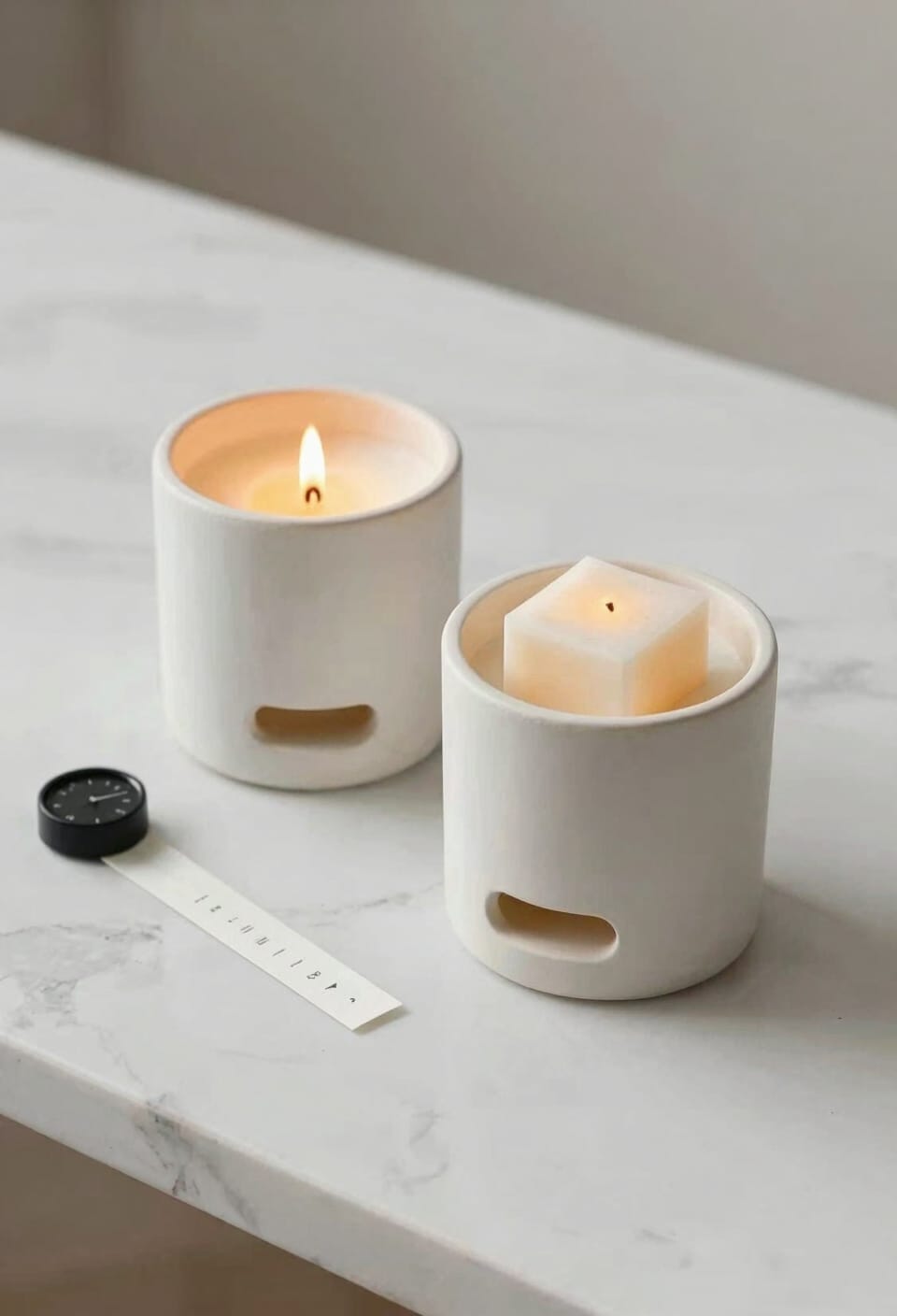
when you’re comparing scent throw and longevity between candles and wax melts, the numbers tell a pretty different story than your gut might expect. Wax melts deliver 60-90 hours of fragrance from a single pack because they release scent gradually through steady warming—no open flame means consistent performance. Candles? They’ll fill your room quickly, but that cold throw (the scent you smell before lighting) varies wildly depending on melt pooling and wick quality. A 12-ounce candle burns 60-84 hours, sounds impressive until you realize wax melts pack stronger fragrance loads and don’t waste energy on flame. Two wax melt cubes last 12-18 hours, offering you flexibility candles simply can’t match. That’s real longevity.
Safety: Fire Risk, Pets, and Kids
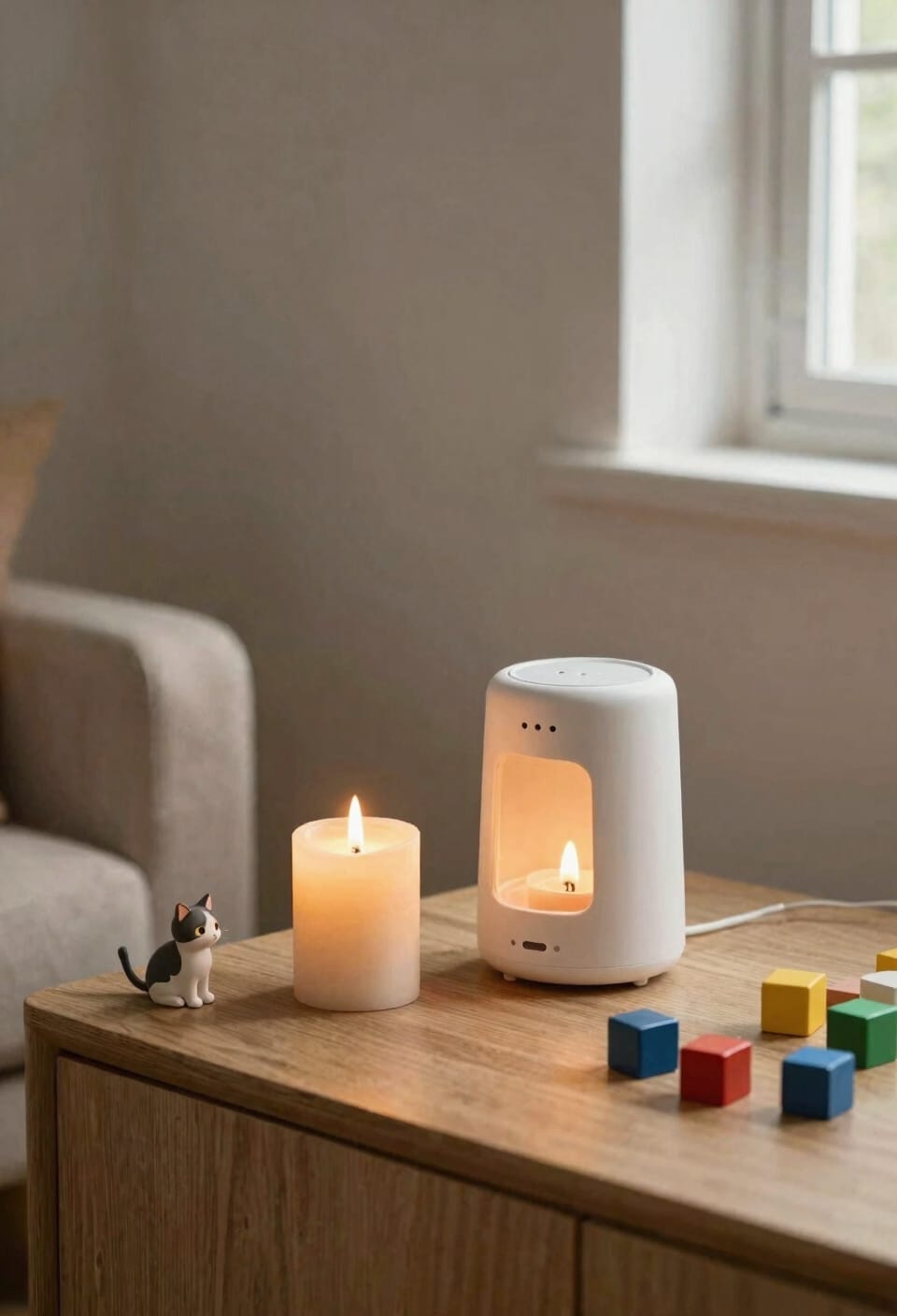
If you’ve got kids, pets, or you’re just someone who’s ever left a candle burning and then panicked halfway across the house wondering if you actually blew it out, here’s the thing: wax melts eliminate that particular flavor of anxiety entirely. There’s no open flame to worry about, no smoke billowing into your curtains, no risk of a curious toddler or tail-wagging dog knocking something over. Wax melts stay safely contained in their burner, heating gently from below. You can use childproof packaging for storage and keep melts on high shelves away from pet accessible placement. Electric burners typically have auto shut-off features too. Candles demand constant supervision—over 200 fires in 2020 alone prove that point. If safety’s your priority, wax melts win decisively.
Cost Per Hour: The Cheaper Option
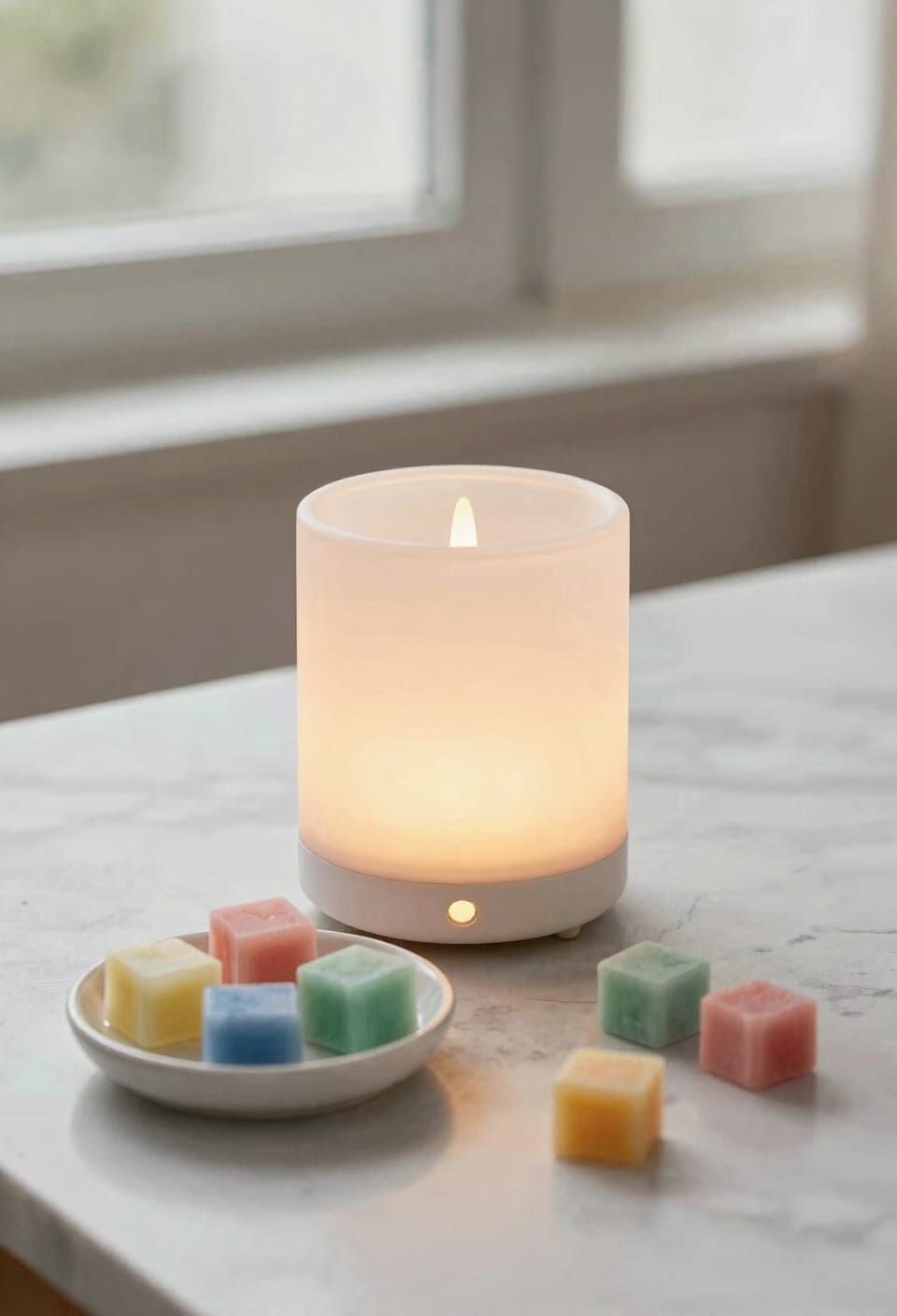
wax melts win the math game, hands down. When I break down the hourly cost, two cubes last 12–18 hours for just a few bucks. That’s genuinely cheap per hour. Candles? They’re burning through your wallet faster because you’re paying more relative to actual burn time per ounce.
Now, your budget breakdown looks different depending on how you use them. With wax melts, you’re not forced to finish a whole session—pop them out, save them, switch scents whenever you want. No waste. Candles burn continuously whether you’re vibing with that vanilla or absolutely sick of it by hour three. You’re stuck. That flexibility matters when you’re watching your spending, and honestly, it’s one reason I’ve gradually ditched full candles for melts.
Ambiance and Aesthetics: Flickering Light or Fragrance-Only?
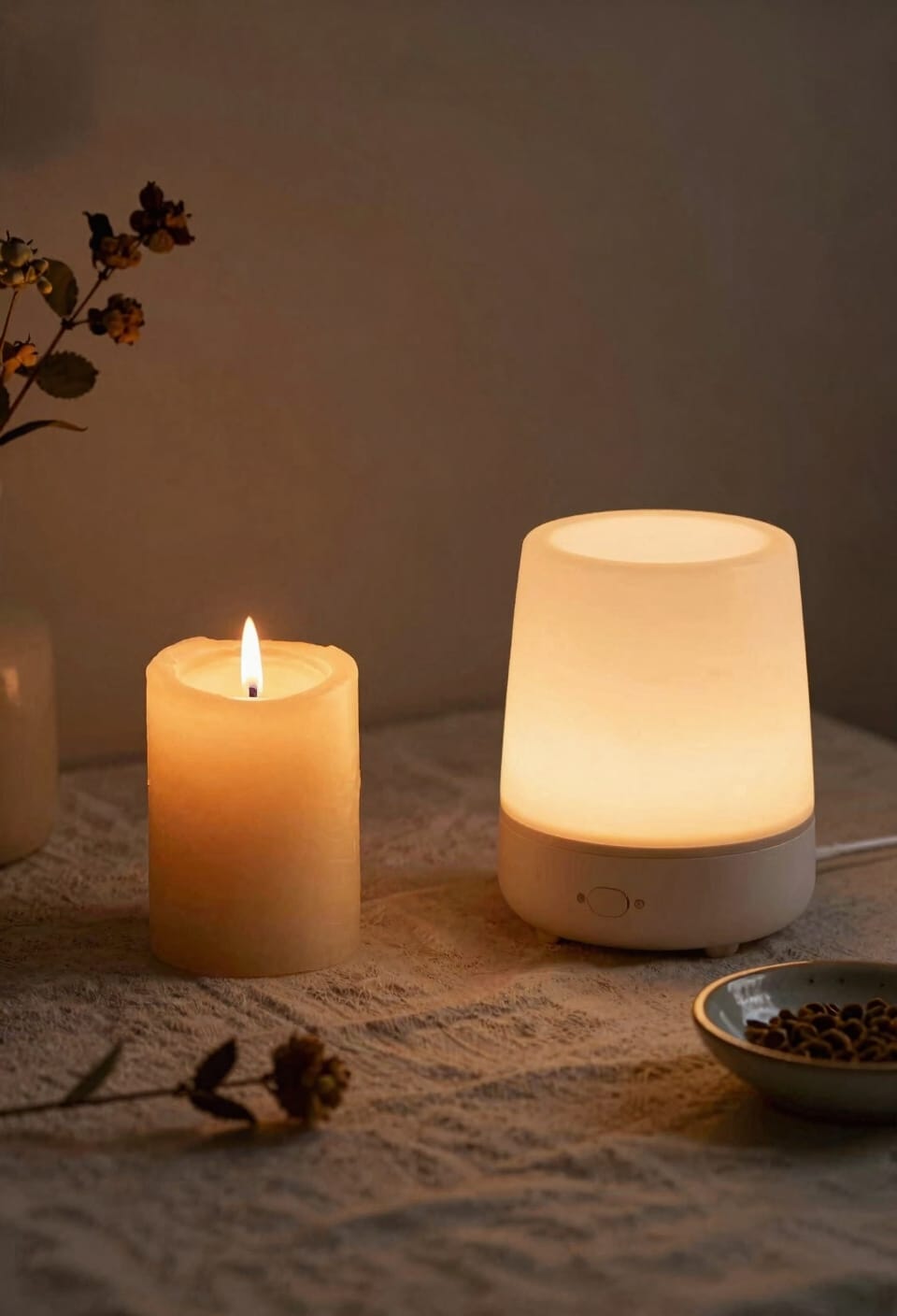
you’re buying these products for two totally different reasons, and pretending otherwise is where a lot of people get stuck.
Candles bring mood lighting to your space. That flickering flame? It’s basically doing the heavy lifting for ambiance. You get decorative vessels that look gorgeous on a shelf, and they’re doing their job even before you light them.
Wax melts? They’re fragrance-only players. No flame means no dancing light, no cozy glow. What you get instead is scent—pure, unapologetic fragrance without any visual drama.
Air Quality and Health: VOCs, Soot, and Nanoparticles
They release nanoparticles and VOCs—volatile organic compounds, basically invisible chemicals that evaporate into the air—that react with ozone already present in your home, potentially creating indoor air pollutants you can’t actually see. Candles produce soot when that wick burns unevenly or your room’s air circulation is poor. Wax melts? They’re actually worse for certain people because they emit more VOCs without combustion to break them down first. If you’ve got chemical sensitivity or respiratory issues, indoor ventilation becomes essential. Open a window during and after burning either option. Look, neither’s perfect, but candles at least give you visible soot you can wipe away. Wax melt pollution just lingers invisibly, which honestly feels sneakier.
Ease of Use: Setup, Cleanup, and Storage
All right, so we’ve established that both candles and wax melts come with their own air quality baggage—invisible nasties floating around your living room like unwelcome houseguests. Now let’s talk about the practical stuff: actually using them.
Wax melts win on quick setup. You plop cubes into your warmer, flip the switch, and you’re done. No wick trimming, no babysitting. Cleanup? Minimal. Once the wax cools, you pop out the hardened disc and toss it. The stackable storage aspect is genuinely clutch—those little containers stack like LEGO bricks, taking up barely any shelf space. Their portable containers mean you’re hauling scent wherever you want.
Candles demand more attention. You’re trimming wicks, watching flames, dealing with leftover wax. Storage-wise, they’re bulkier. Less flexible, more fussy.
Environmental Impact: Waste and Sustainability
Now that we’ve tackled the practical side of using these fragrances, let’s zoom out and talk about what actually happens to all that wax when you’re done with it. Wax melts win here, honestly. You can reuse the same wax multiple times before tossing it, which means less waste overall. Plus, many brands now offer recycled packaging, and you can find biodegradable wax options made from soy or coconut that break down naturally. Candles? That leftover wax at the bottom gets pitched. It’s not recyclable in most programs, and it just sits in landfills. If sustainability matters to you—and it should—wax melts give you a genuinely lighter environmental footprint without sacrificing scent quality.
Fragrance Customization and Scent Variety
Mixing and matching scents is where wax melts really let you flex your creativity, and it’s honestly one of my favorite things about them. You can layer two or three different fragrances together—creating custom scenting combinations that’d cost you a fortune if you bought them pre-made. Want a seasonal blend? Toss vanilla with cinnamon in winter, then swap for citrus and florals come spring. I love micro batching small amounts to test before committing to a full melt. Candles, meanwhile, lock you into whatever scent’s already in the jar. You’re stuck with their fragrance load—usually capped around 7 percent—and there’s zero mixing flexibility. With wax melts, you’re basically your own nose-based scientist.
Your Decision: Performance, Safety, Cost, and Values
When you’re standing in front of your two options—flame or no flame, soot or no soot, creative freedom or committed fragrance—the choice really comes down to what matters most to you.
If safety’s your priority, wax melts win hands down. No open flame means zero fire risk, and they’re genuinely safer around kids and pets. But if you’re chasing that cozy ambience and don’t mind the maintenance, candles deliver. Consider your energy footprint too—wax melts use electricity, while candles produce soot and VOCs from combustion. Financially, melts offer better value per hour. Still, scent layering multiple candles creates something melts can’t quite match. Honestly? Most people end up loving both.
Frequently Asked Questions
Can Wax Melts or Candles Be Used Together in the Same Room Safely?
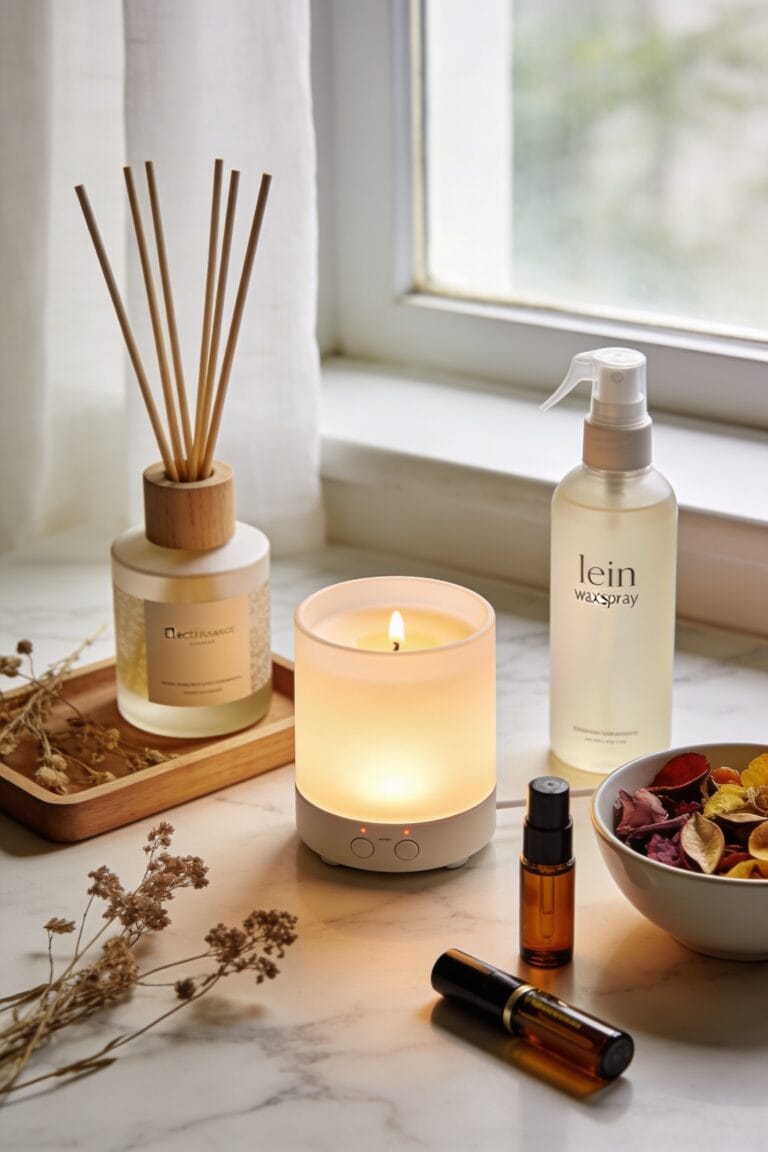
I’d recommend using wax melts and candles together through scent layering, though it’s safer to skip the candle’s open flame. Instead, I’d combine wax melts with flame alternatives like reed diffusers for complementary fragrances without fire risks.
How Do I Properly Dispose of Used Wax Melts and Candle Remnants?
Like autumn leaves settling gently, I’d suggest cooling wax remnants completely before disposal. Check your trash regulations first—some areas offer recycling options. For creative reuse, I melt scraps into new blends or store them safely for future crafting projects.
Which Option Works Best for People With Allergies or Asthma?
I’d recommend wax melts for allergy sufferers since they don’t produce smoke or soot. Look for hypoallergenic formulations, guarantee proper ventilation strategies, and you’ll likely experience fewer respiratory irritations than with traditional candles.
Can Wax Melts or Candles Help Eliminate Odors From Cooking or Pets?
As they say, you can’t put perfume on a pig. I’ll tell you—both offer odor masking through ambient scent, but neither provides true air purification. Candles’ chemical reactions work better for cooking odors, while wax melts’ gradual release handles pet smells longer.
Are There Any Temperature or Humidity Conditions Affecting Performance?
Yes, I’ve found that room temperature and relative humidity markedly impact both options. Higher humidity weakens scent throw, while cold temperatures slow wax melts’ fragrance release. Warmer rooms enhance performance for either choice.
Conclusion
Look, here’s what I’ve learned: studies show wax melts last roughly 30% longer than candles burn-for-burn, which matters if you’re watching your wallet. But honestly? Pick candles if you want that flickering glow and ambiance. Choose melts if you’ve got pets, kids, or you’re tired of babysitting flames. Neither’s wrong—it’s about what fits your life, your safety concerns, and whether you actually enjoy the ritual of lighting something.