As an Amazon Associate, we earn from qualifying purchases. Some links on this site are affiliate links at no extra cost to you. Our recommendations are based on thorough research and editorial judgment.

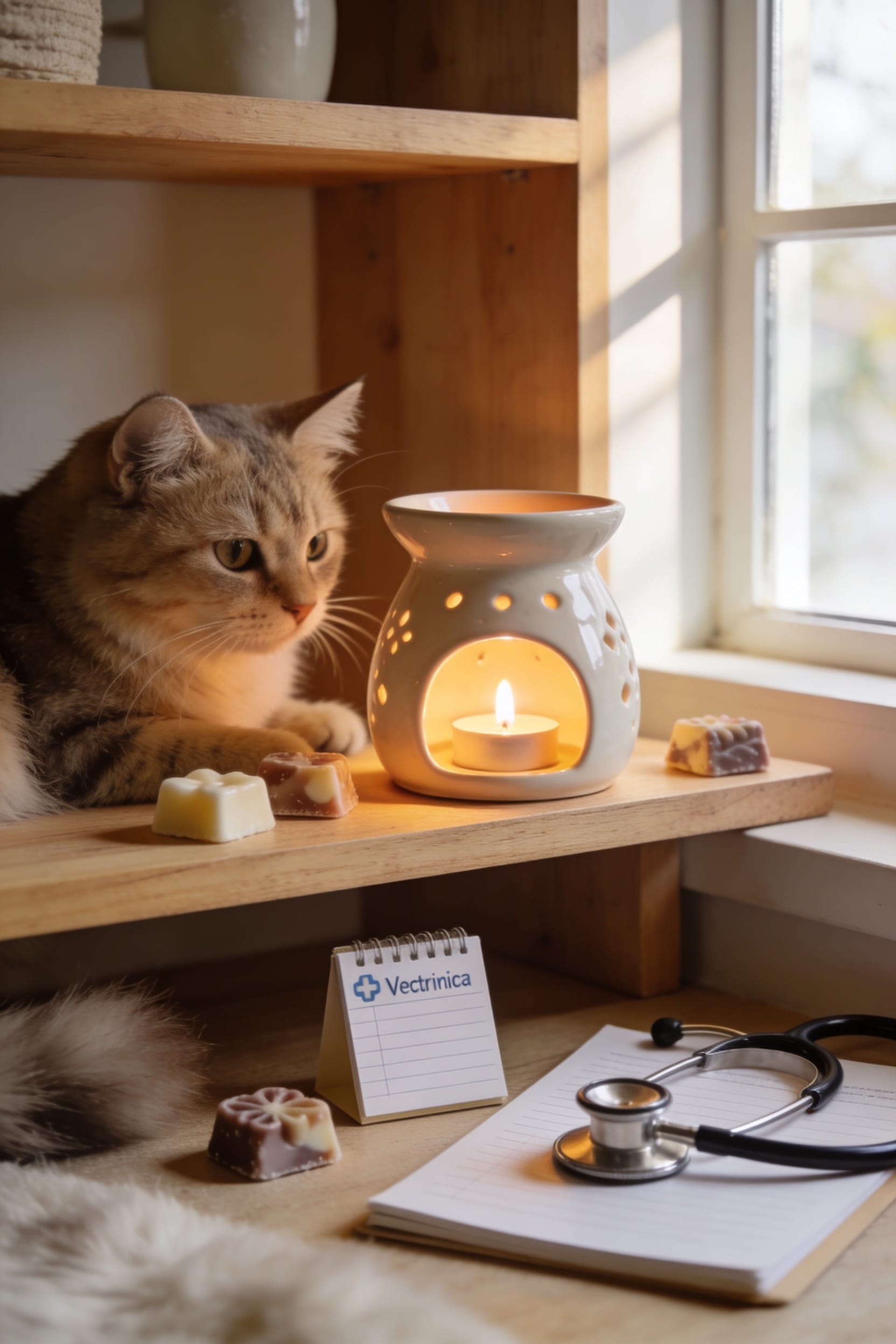
Are Wax Warmers Safe for Cats? What Vets and Experts Say

Electric wax warmers are generally safe around cats, but here’s the thing: your cat’s nose is roughly fourteen times more sensitive than yours, so what smells pleasant to you might overwhelm them entirely. You’ll want to skip paraffin wax—it produces soot that irritates their respiratory system—and stick with soy or coconut instead. Avoid toxic scents like tea tree and citrus, place your warmer on a high shelf they can’t reach, and watch for hiding, excessive grooming, or sneezing. Turn it off if reactions appear. The specifics matter more than you’d think.
Key Takeaways
- Electric wax warmers are safer than flame-based models; soy wax formulations recommended for cleaner burns and lower toxicity risks.
- Cats have heightened scent sensitivity; continuous fragrance exposure can cause behavioral changes, respiratory irritation, sneezing, and reduced appetite.
- Safe scents include lavender, jasmine, and cedarwood; avoid tea tree, peppermint, and citrus oils due to feline toxicity concerns.
- Place warmers on high, secure surfaces inaccessible to cats in well-ventilated rooms; never use in bedrooms or enclosed spaces.
- Monitor for adverse reactions including excessive grooming, hiding, skin irritation, or respiratory symptoms; turn off warmer and ventilate immediately if noticed.
Are Wax Warmers Safe for Cats?
If you’re like me and you own both a cat and a strong opinion about keeping your home smelling like lavender instead of litter box, you’ve probably wondered whether wax warmers and felines can coexist peacefully.
Here’s the thing: they actually can. Wax warmers are generally safe for cats when you’re intentional about setup and scent choices. The key is using electric warmers instead of flame-based ones, placing them on high, secure surfaces completely out of paw’s reach, and maintaining solid indoor ventilation to disperse fragrance particles evenly throughout your space.
Think of proper placement as behavioral enrichment for your sanity—you’ll relax knowing your cat can’t knock anything over or accidentally ingest melted wax. That peace of mind? Priceless.
Why Wax Melts Bother Cats (And How They React)
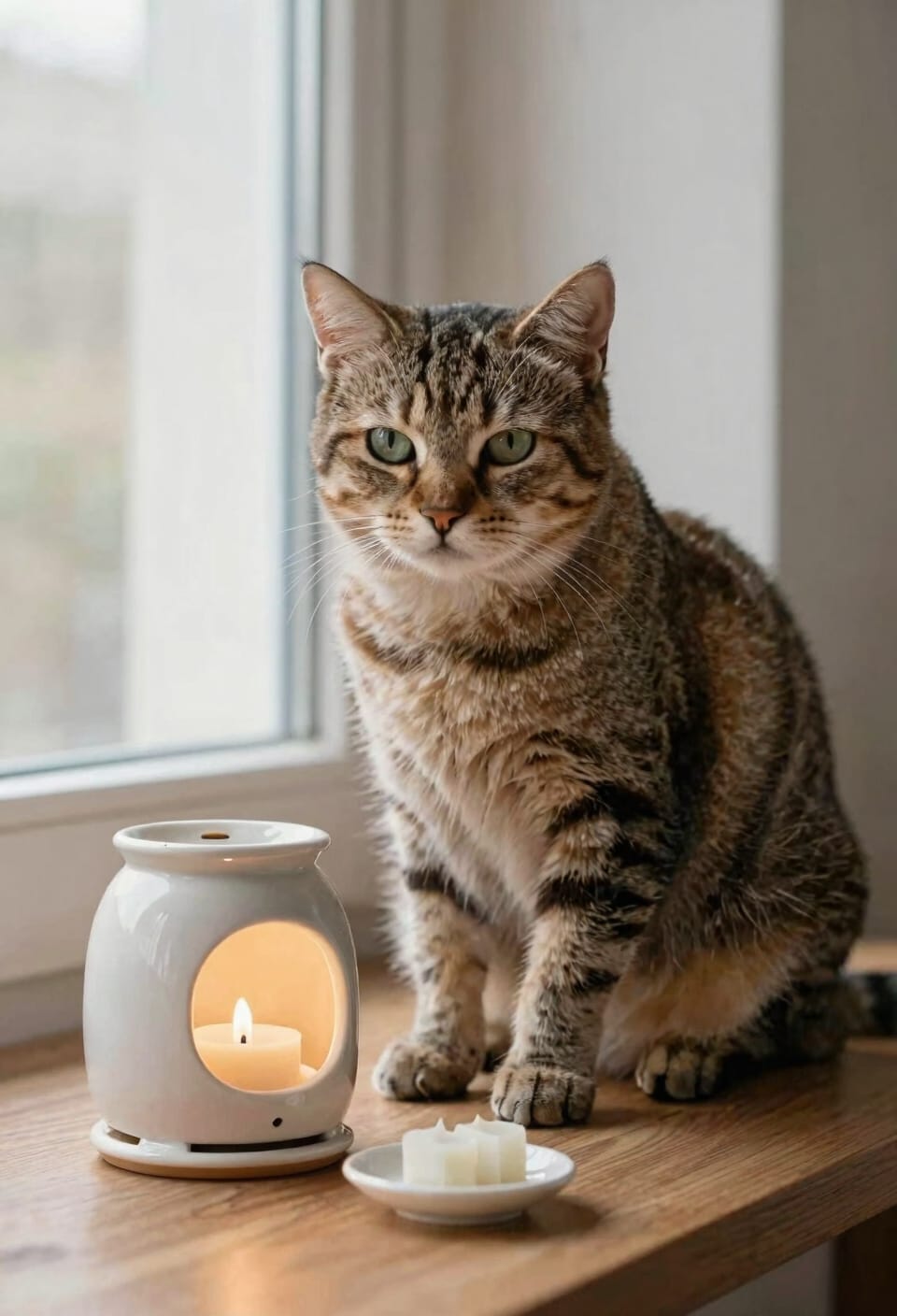
Because cats experience the world through their senses—especially smell—wax melts can genuinely irritate them in ways we don’t always realize until our feline friend starts acting weird. Your cat’s scent sensitivity is basically their superpower, which means what smells pleasant to you might feel overwhelming to them. When you’re running a wax warmer continuously, you’re flooding their space with fragrance particles they can’t escape. You’ll notice behavioral avoidance first: they’ll leave the room, hide under furniture, or sneeze repeatedly. Some cats get irritable or stop eating. Their respiratory system is more sensitive than ours, so concentrated scents genuinely bother them. It’s not them being dramatic—they’re telling you something’s wrong. That’s when you turn off the warmer and crack a window.
Choose the Right Wax: Natural Options That Protect Your Cat
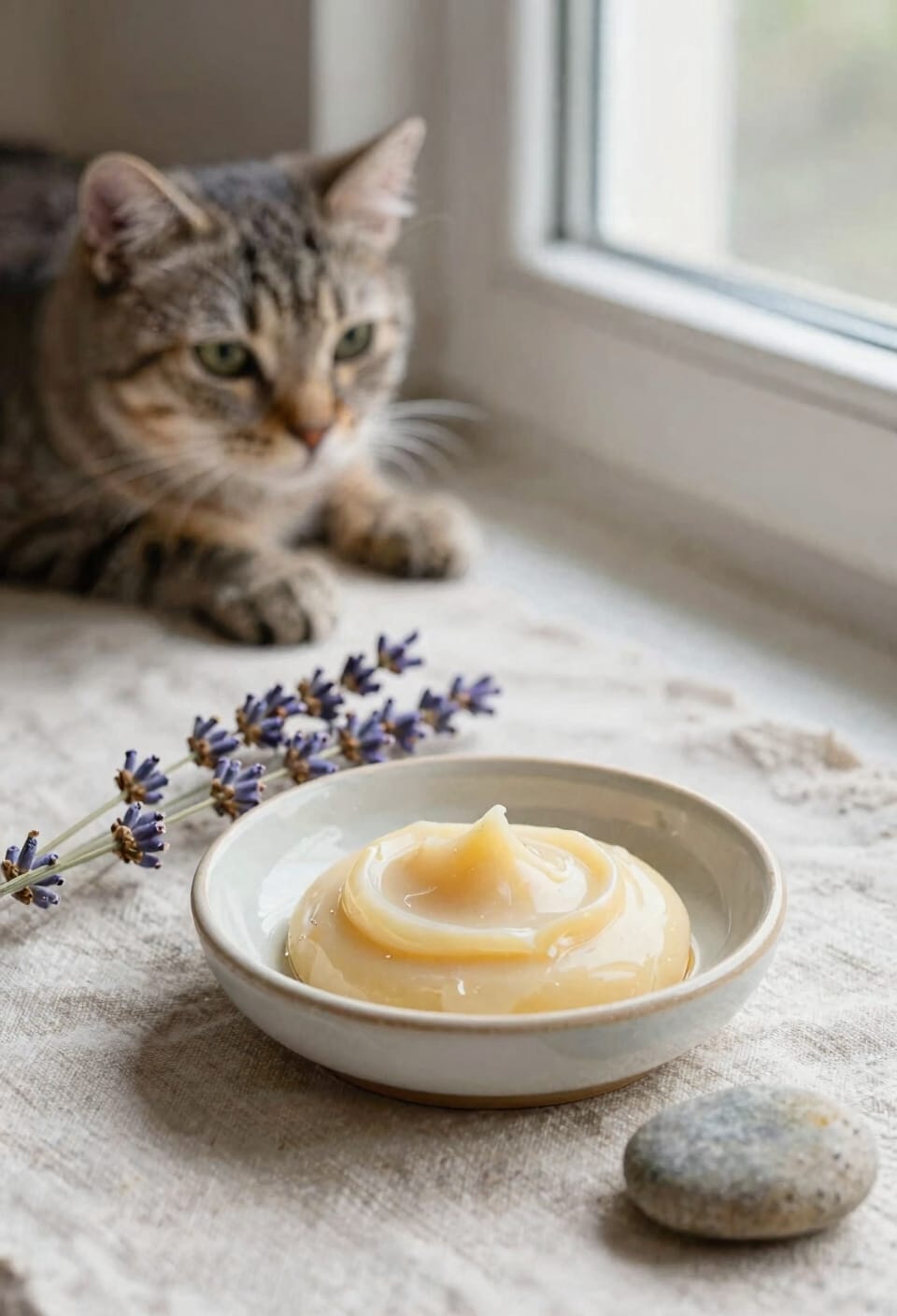
Now, here’s where you actually get to make a difference for your cat’s wellbeing: the wax you pick matters way more than you might think. I’m talking soy wax—100% natural alternatives that burn cleaner and won’t fill your home with sketchy petroleum-based soot. Coconut and beeswax work too if you’re into those options. Here’s the thing: paraffin wax is basically the villain in this story. It produces more soot and honestly just feels wrong when you’ve got a curious cat around.
Look for pet safe formulations specifically labeled to exclude harmful chemicals like phthalates. Soy wax has a lower melting point, which means fewer burn risks if your cat accidentally bumps into something. Quality matters here—it’s not just marketing fluff.
Safe Scents vs. Toxic Ones: A Quick Reference
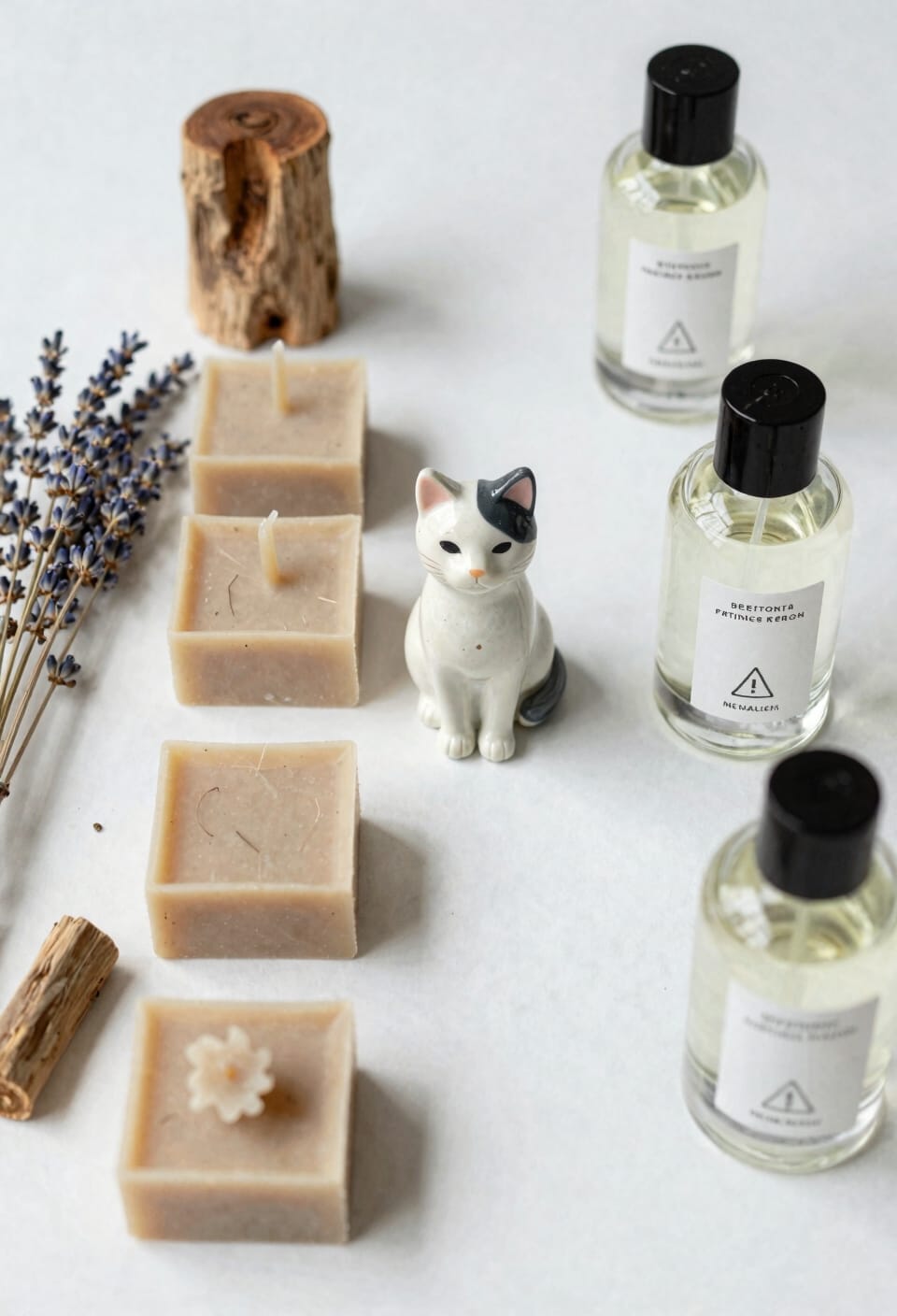
When you’re picking out wax melts for a home you share with a cat, the fragrance you choose matters just as much as the wax itself—maybe even more, since your cat’s nose is way more sensitive than yours and some scents that smell lovely to us are actually pretty rough on them. Lavender, jasmine, and cedarwood are your safe bets. Now, here’s the thing: you’ll want to avoid anything with tea tree, peppermint, or citrus oils entirely—those are legitimately toxic to cats. Watch out for fragrance concentration levels too; heavily scented melts can overwhelm your cat’s system. Look for products using essential oil alternatives that are specifically labeled pet-safe. Your cat will thank you for keeping the aromatherapy chill.
How to Place and Use Wax Warmers Around Cats
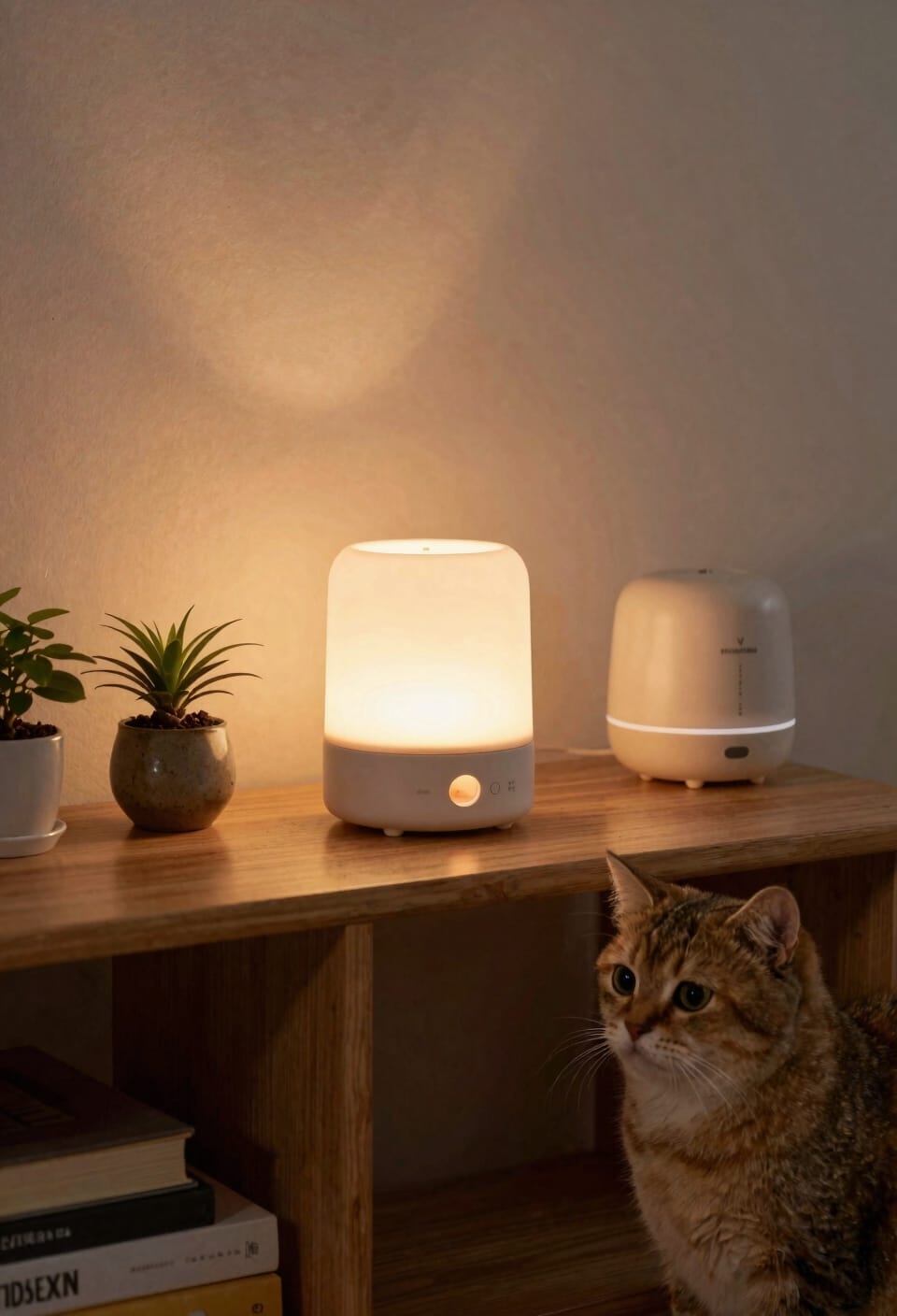
Once you’ve got the right wax melts picked out—the safe scents, the good wax—placement is where the rubber really meets the road, because a perfectly cat-safe warmer in the wrong spot is like putting a smoke detector in your closet.
High shelves are your best friend here. I’m talking surfaces your cat can’t leap to or knock over during their 3 a.m. zoomies. Electric warmers are already safer than flame-based ones, but you’ve still got to think about hidden cording—tuck those cables behind furniture so your kitty doesn’t treat them like toys.
Keep out zones matter too. Bedrooms and small spaces concentrate fragrance, which irritates cat airways. Pick well-ventilated rooms instead. Turn everything off when you leave. Your cat will thank you by not knocking things over, probably.
Spotting Wax Melt Reactions in Your Cat
Even the most carefully chosen, strategically placed wax warmer can still trigger a reaction in your cat—and you need to know what to look for. Watch for behavioral changes like excessive grooming, hiding, or unusual lethargy. These signal your cat’s discomfort. Check for skin irritation around the nose, ears, or paws—redness or scratching indicates fragrance sensitivity. Respiratory symptoms matter too: sneezing, coughing, or labored breathing mean ventilation isn’t cutting it. Gastrointestinal upset, though rare with proper placement, shows as vomiting or diarrhea if ingestion happens. Trust your instincts. You know your cat’s baseline. If something feels off—even subtly—turn off the warmer and crack a window. Your cat’s telling you something’s wrong. Listen.
Electric Warmers Outperform Flame-Based Alternatives
Now, if you’ve noticed your cat showing signs of distress around your wax warmer, the first thing I’d recommend ditching is any flame-based option you might be using. Here’s the thing: open flames create soot—that’s the black residue from incomplete burning—which irritates your cat’s respiratory system and makes the whole room feel like a tiny chimney. Electric warmers eliminate this problem entirely. They provide lower energy consumption while delivering reduced soot and zero burn hazards. You’re getting consistent, gentle heat without the fire risk or respiratory irritants. Plus, they’re quieter and won’t accidentally ignite your cat’s tail (yes, it happens). Electric warmers are simply the smarter choice for pet-friendly homes.
Your Daily Wax Warmer Safety Checklist
Every single day, you’re making small decisions about your wax warmer that either keep your cat safe or create unnecessary risk—and honestly, most of these choices take about thirty seconds each. Start by checking room ventilation before you turn anything on. Stale, fragrance-heavy air irritates your cat’s respiratory system, so crack a window or run a fan. Next, observe your pet behavior around the warmer. Is your cat unusually curious or aggressive toward it? Move it higher or behind furniture. Before leaving home, turn it off—no exceptions. Use an electric warmer with a secure top that prevents spills. Keep the surface sturdy and stable. These tiny habits compound into genuine safety, and your cat will thank you by not knocking things over at 3 a.m.
Frequently Asked Questions
Can Wax Warmer Fumes Trigger Asthma or Respiratory Conditions in Cats?
Yes, wax warmer fumes can trigger asthma or respiratory conditions in cats, especially those with respiratory sensitivity. I’d recommend using electric warmers with proper ventilation and respecting your cat’s individual scent thresholds for safety.
What Should I Do if My Cat Ingests Melted Wax Accidentally?
Studies show 10% of pet emergencies involve accidental ingestion. Contact your vet immediately for first aid guidance. Monitor for behavioral changes like vomiting or lethargy. Avoid home remedies; professional veterinary care is essential for melted wax ingestion.
How Long Does It Take for Wax Melt Scents to Dissipate Safely?
I’d estimate scent persistence takes 2-4 hours for safe dissipation with proper ventilation. You’ll notice the fragrance fading gradually as it disperses through your home, making it safer for your cat’s respiratory health.
Are Diffusers or Air Purifiers Necessary When Using Wax Warmers Around Cats?
Picture fragrance lingering in still air—I’d say diffusers aren’t strictly necessary, but they’re helpful. I’ve found ventilation importance can’t be overstated; I keep windows cracked. Air purifiers with regular filter maintenance genuinely enhance safety around my cat.
Can I Use Regular Wax Melts if I Increase Ventilation Significantly?
I wouldn’t recommend it. Ventilation limits exist—they can’t eliminate all risks from regular wax melts. I’d prioritize ingredient transparency instead, choosing pet-safe formulations with natural wax and fragrance oils specifically designed for homes with cats.
Conclusion
Look, I’m absolutely terrified of wax warmers around my cat—and you should be too, honestly. Your furry friend’s health isn’t worth a vanilla-scented room. Stick with electric warmers, ditch the toxic fragrances, and keep that thing nowhere near your cat’s favorite napping spots. Your cat’s safety is literally non-negotiable. Check that checklist daily. Your cat will silently judge you either way.