As an Amazon Associate, we earn from qualifying purchases. Some links on this site are affiliate links at no extra cost to you. Our recommendations are based on thorough research and editorial judgment.

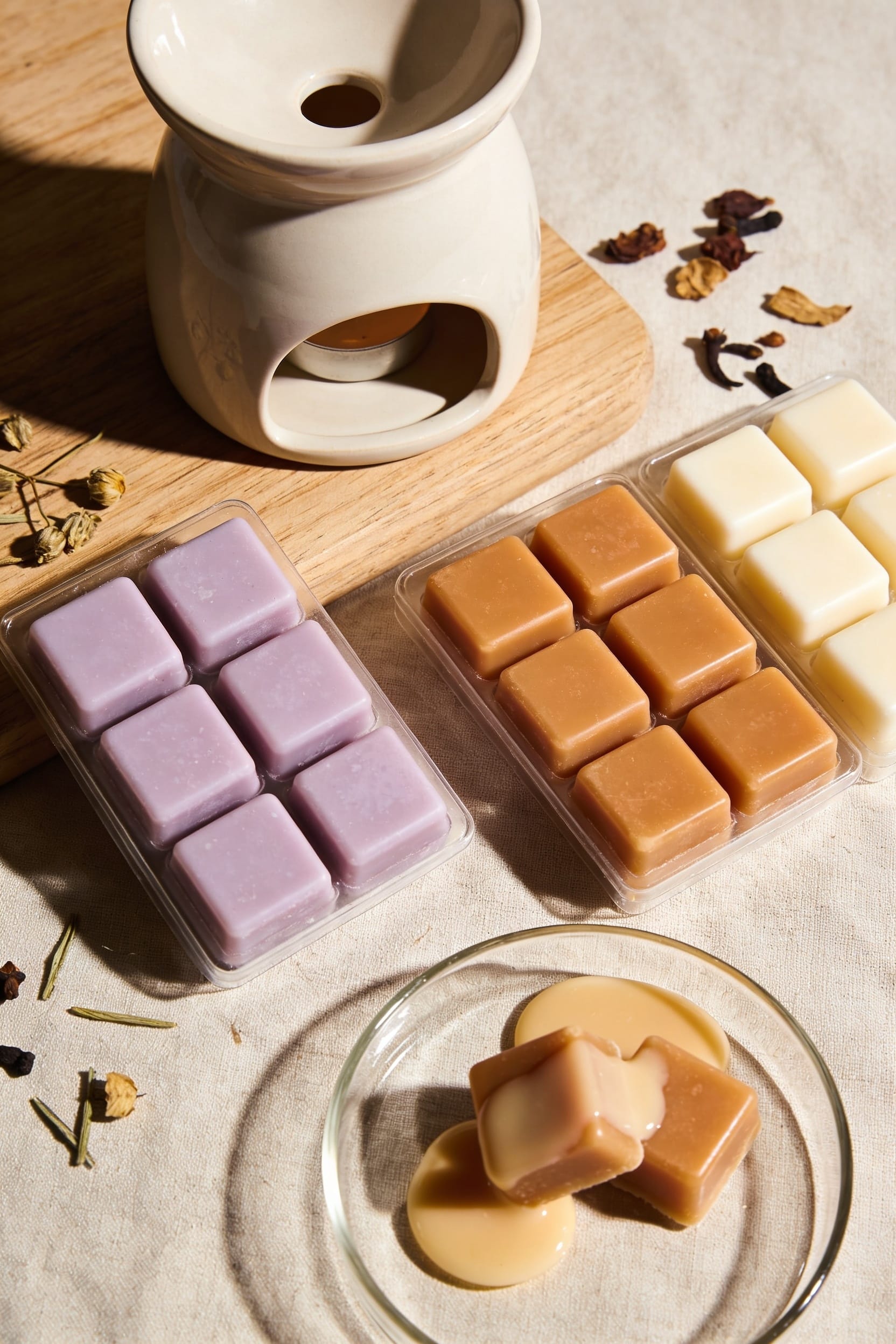
Can You Mix Wax Melts? How to Blend Scents Like a Pro

Yes, you can absolutely mix wax melts—I do it constantly with my leftovers. Here’s the thing: compatible waxes with similar melting points blend seamlessly without separation, and you can layer fragrances to create scents you’d never find solo. Test your combinations on blotter strips first, then pour small batches at 180–185°F with aggressive stirring to distribute fragrance evenly. Let everything cure for one to two weeks, document what actually works, and you’ll unleash custom blends that’ll make you wonder why you ever bought single-scent melts.
Key Takeaways
- Yes, compatible wax melts with similar melting points can be blended together to create new scent combinations and reduce waste.
- Test fragrance combinations on blotter strips before mixing full batches to ensure desired scent ratios and aesthetic appeal.
- Add fragrance oil at 180–185°F and stir aggressively for thirty seconds to ensure even distribution throughout the wax blend.
- Cure poured melts for one to two weeks minimum before use to achieve stronger, more satisfying scent throw.
- Document all batch details including wax ratios, fragrance percentages, and pouring temperature to consistently replicate successful blends.
Yes, You Can Mix Wax Melts: Here’s Why It Works
Look, I get it—you’ve got leftover wax melts in scents that didn’t quite land, and throwing them away feels like a waste. Here’s the thing: you absolutely can mix them, and understanding the wax chemistry behind it makes all the difference. When you blend compatible waxes with similar melting points, they merge seamlessly into one cohesive product. It’s not magic—it’s just molecules playing nicely together. The scent psychology works too. Combining fragrances strategically creates entirely new aromatic experiences you couldn’t achieve alone. You’re not just salvaging old melts; you’re becoming a scent curator. The key? Test small batches first, document what works, and watch how blending transforms those disappointing leftovers into something genuinely worth burning.
Choose Compatible Waxes for Seamless Blending
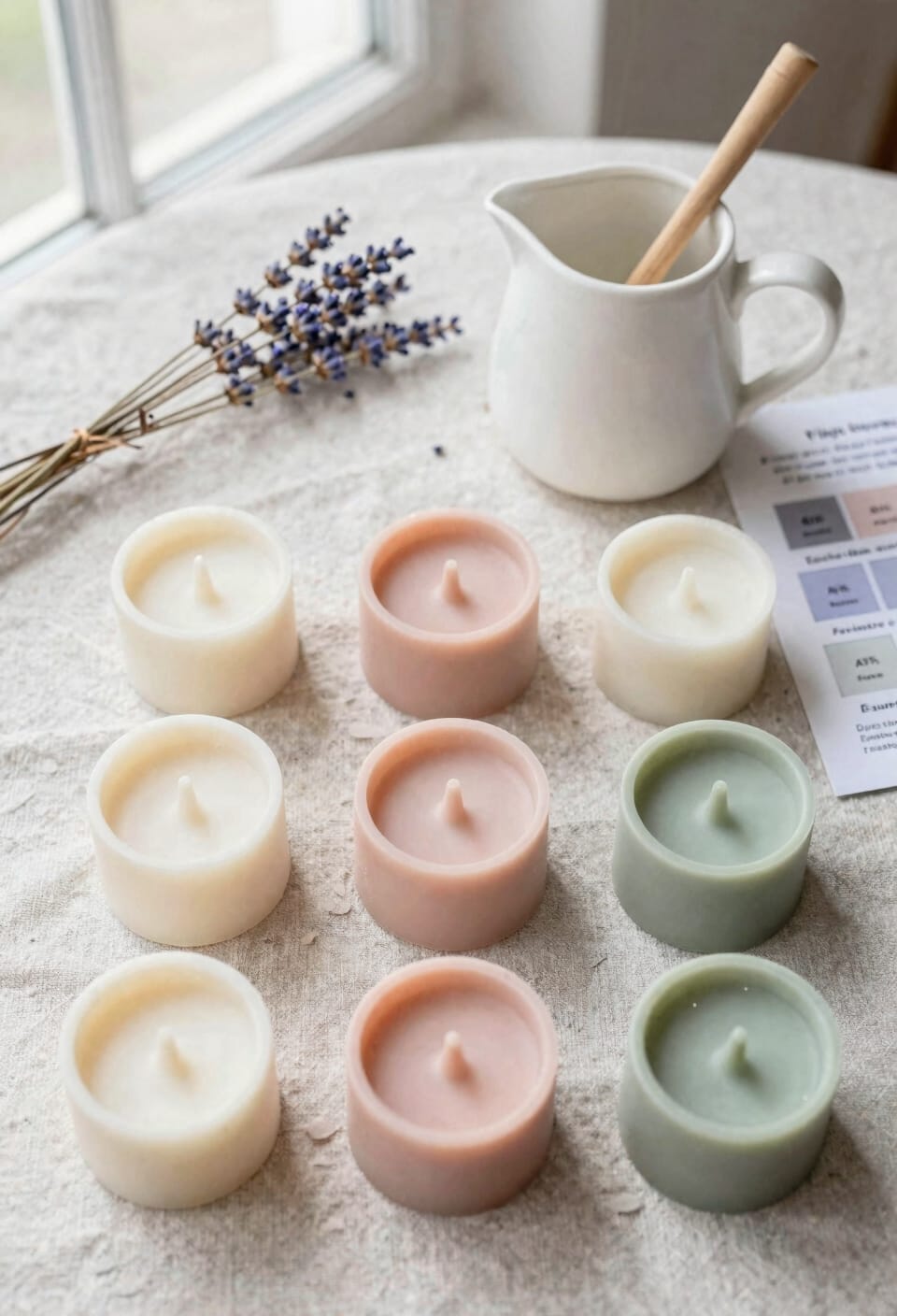
Now that you know blending works, here’s where most people stumble: they grab whatever wax melts are lying around and wonder why the result looks like a science experiment gone wrong.
The secret? Melting points matter. Your waxes need to play nice together, which means they should melt at roughly the same temperature. When you pair paraffin with soy, you’re matching similar melting points so they blend uniformly instead of separating like a bad relationship.
This isn’t just about science, though. Aesthetic compatibility matters too. A 50/50 blend of quality waxes creates that satisfying snap when you break your melts and looks intentional rather than accidental. Choose waxes designed to work together, test small batches first, and you’ll skip the messy failures entirely.
Blend Wax Melts With the Right Fragrance Ratios
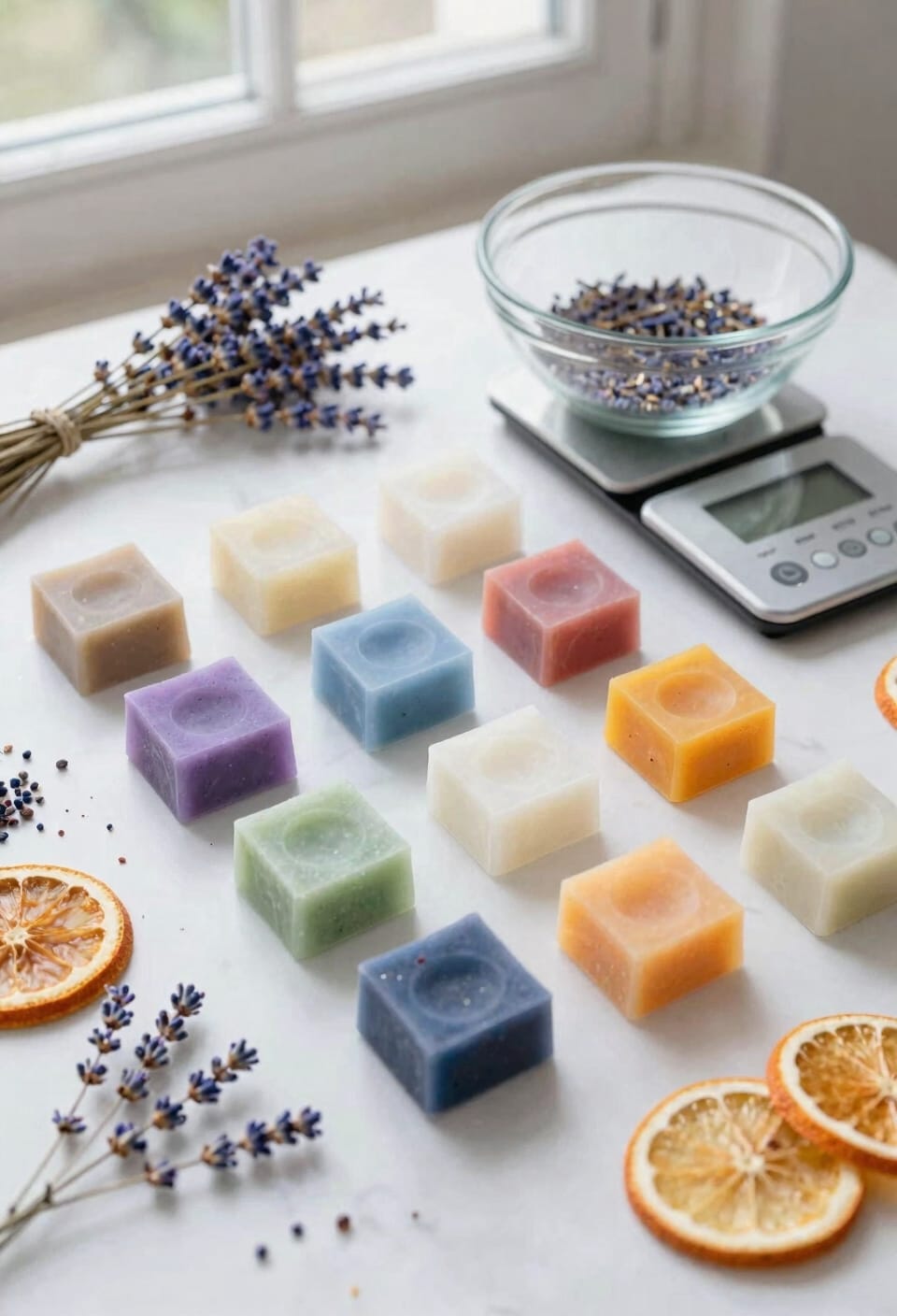
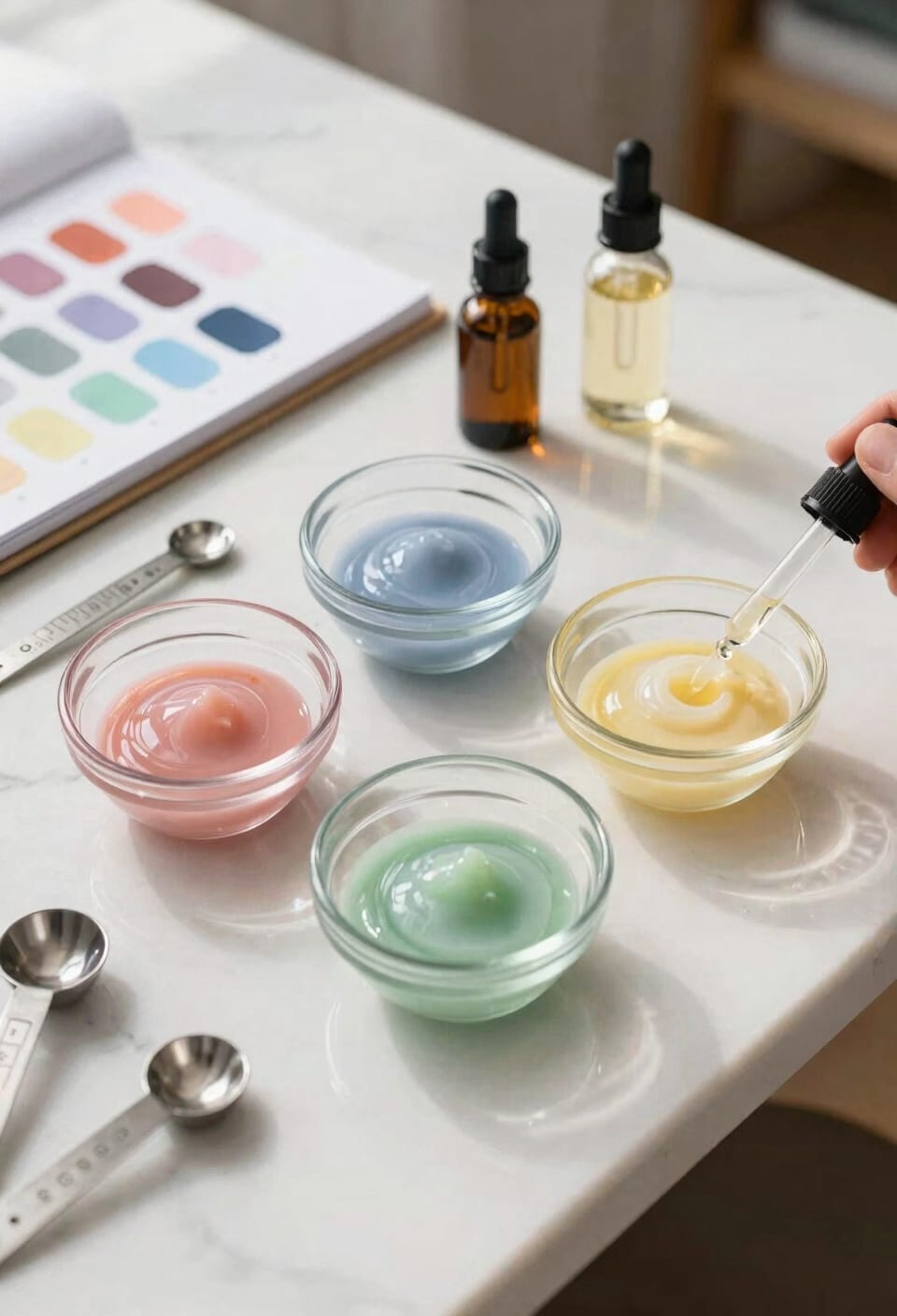
You’ve got your waxes blended and looking smooth, but here’s where I see people tank their entire batch: they dump fragrance oil in like they’re seasoning soup, then wonder why their melts smell like a sad, muted version of the label promise.
All right, here’s what actually works. Fragrance saturation—that’s how much scent your wax can actually hold without getting greasy or weak—maxes out around 12% for blended wax. I’m talking one ounce of fragrance per pound of wax, no more. Temperature staging matters here: add your oil at 180-185°F, stir aggressively for thirty seconds, then pour. This gets everything distributed evenly instead of sitting in sad, concentrated pockets. Document your ratios. You’ll thank yourself later.
Test Scent Blends Before Mixing a Full Batch
Before you commit ten pounds of wax and your best fragrance oils to a full batch, I’m begging you to spend fifteen minutes testing scent combinations on blotter strips first. Dip sample strips to the first or second line, representing your desired ratio. Dry them for ten seconds, then fan them under your nose to evaluate the blend.
Here’s the thing: your olfactory memory plays tricks on you. That cedar-musk combination smelled perfect at the store but might clash in your actual living room. Test combinations like hydrangea with sweet orange chili pepper or cedar musk lavender. Document everything—ratios, impressions, which scents work together. Small-batch experiments prevent expensive mistakes and help you nail your signature blend before scaling up.
How to Mix Wax at Precise Temperatures
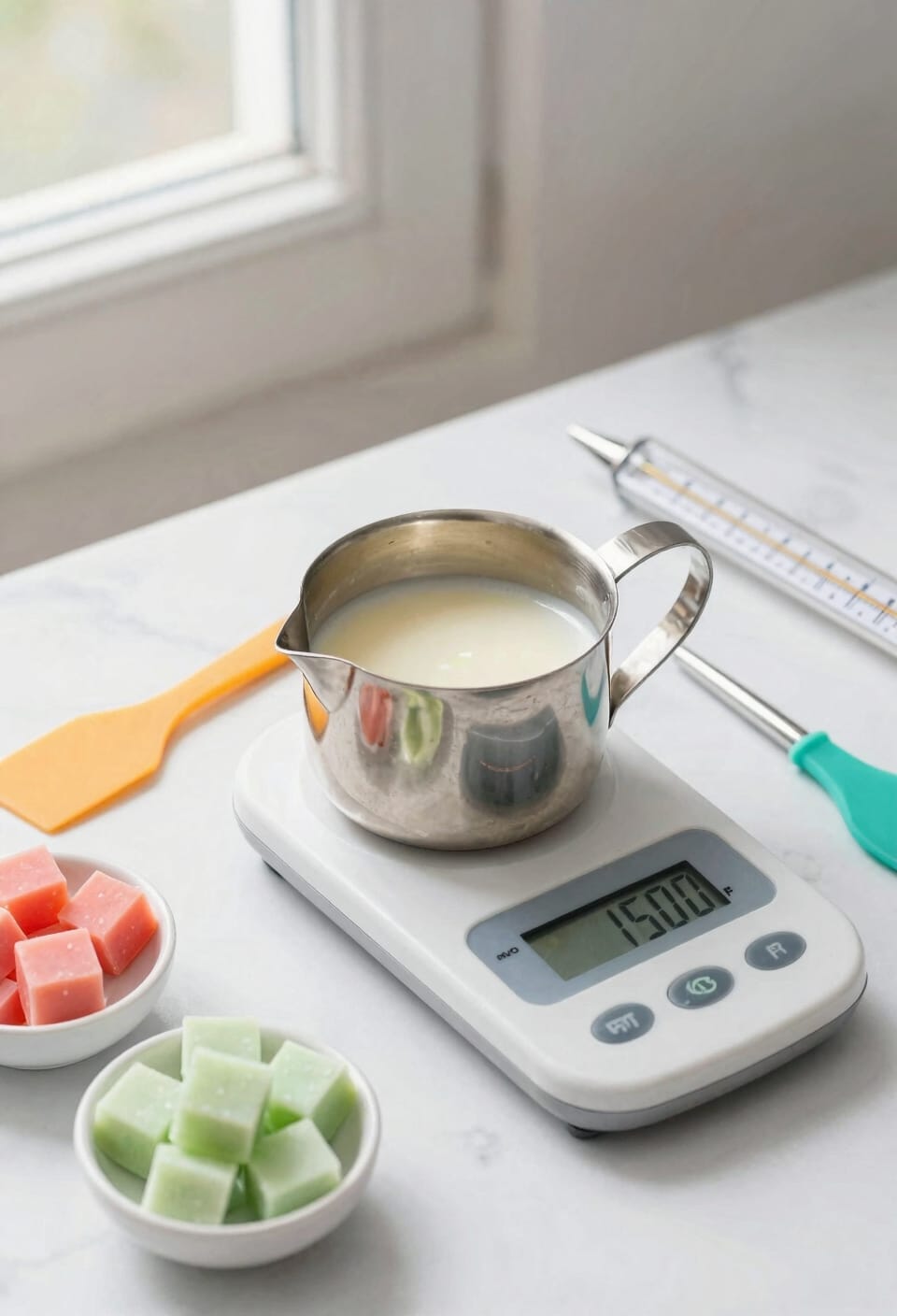
Temperature control is where most home wax melters either nail it or accidentally create a cloudy, poorly scented mess that’ll make you wonder what went wrong. I’ve learned that precision matters here—a lot.
You’ll want to heat your wax blend to 180-185°F before adding fragrance oil. Use a reliable thermometer, not guesswork. Once you hit that sweet spot, stir aggressively for 30 seconds to fully integrate the scent. This aggressive mixing prevents fragrance from settling unevenly.
Now, cooling profiles matter just as much. Let your melts cool completely in molds before popping them out—rushing this step ruins everything. Temperature controllers take the guesswork out entirely, honestly. They’re worth the investment if you’re mixing batches regularly and want consistent results every single time.
Let Your Blends Cure for Stronger Scent
Once you’ve poured your wax melts and they’ve cooled completely, the real magic doesn’t happen immediately—I know, it’s frustrating when you want to use them right now. But here’s the thing: longer curing is non-negotiable if you want stronger scent throw. I’m talking one to two weeks minimum while your fragrance maturation happens at the molecular level. Your blended wax needs time to fully absorb and stabilize the fragrance oils throughout. Store them in airtight containers during this waiting period—this protects your investment and locks in those scent molecules. I promise the patience pays off. Your first test burn will smell noticeably richer than if you’d rushed it. That’s when you’ll understand why curing matters so much.
Document Your Recipes to Replicate Winners
Documentation is where the real housekeeping happens—and I don’t just mean keeping your kitchen organized, though that’s nice too. When you nail a wax blend that fills your whole room with the perfect scent, you’ll want to recreate it. That’s where batch logs come in. Write down your wax ratios, fragrance percentages, pouring temperature, and curing time. I’m talking specific numbers—not “some soy” but “8 ounces soy, 2 ounces paraffin.” Your scent archives become your personal reference library. Note which combinations worked and which ones flopped. Store these records somewhere accessible. Trust me, your future self will thank you when you’re staring at three nearly identical jars wondering which one actually smelled like cedar musk lavender.
Frequently Asked Questions
How Long Can I Store Finished Wax Melt Blends Before They Lose Potency?
I’d recommend storing your finished wax melt blends in airtight containers; they’ll maintain potency for 6-12 months under proper storage conditions. Cooler, dark environments slow potency decline and guarantee peak aroma retention throughout their shelf life.
Can I Mix Essential Oils With Fragrance Oils in the Same Wax Melt Batch?
I’d recommend against mixing them. Essential oils require 500 drops per 2 cups wax versus fragrance’s 75 drops—that’s a massive difference. You’ll face essential oil safety concerns and scent stability issues that compromise your final blend’s performance.
What’s the Ideal Room Size for Using Two Cubes of Blended Wax Melts?
I’ve found that two cubes work best in small rooms or medium rooms, depending on your blend’s strength. You’ll get peak scent throw in spaces up to 300 square feet without overpowering the air.
How Do I Fix a Wax Melt Blend That Has Weak Scent Throw After Curing?
I’d suggest that blended waxes hold over 6% fragrance versus paraffin’s limit. If your throw’s weak, I’d re-melt and rebatch your blend, then add more fragrance oil at 180-185°F before recuring for two weeks.
Are There Specific Scent Families That Should Never Be Combined Together?
I’d avoid combining heavy florals together—you’ll hit floral overload. Similarly, don’t mix citrus clash pairings like sweet orange with sharp lemon. Understanding scent families helps you create balanced blends instead of competing fragrances.
Conclusion
Now here’s the thing: mixing wax melts transforms you from a passive consumer into an actual creator. Where once you’d settle for single scents, you’re now blending lavender against vanilla, watching plain wax become something entirely yours. Document those winning recipes. Test before committing. Let patience cure your blends into something stronger than either scent alone. You’ve gone from buyer to artist—and you can’t un-know that.