As an Amazon Associate, we earn from qualifying purchases. Some links on this site are affiliate links at no extra cost to you. Our recommendations are based on thorough research and editorial judgment.

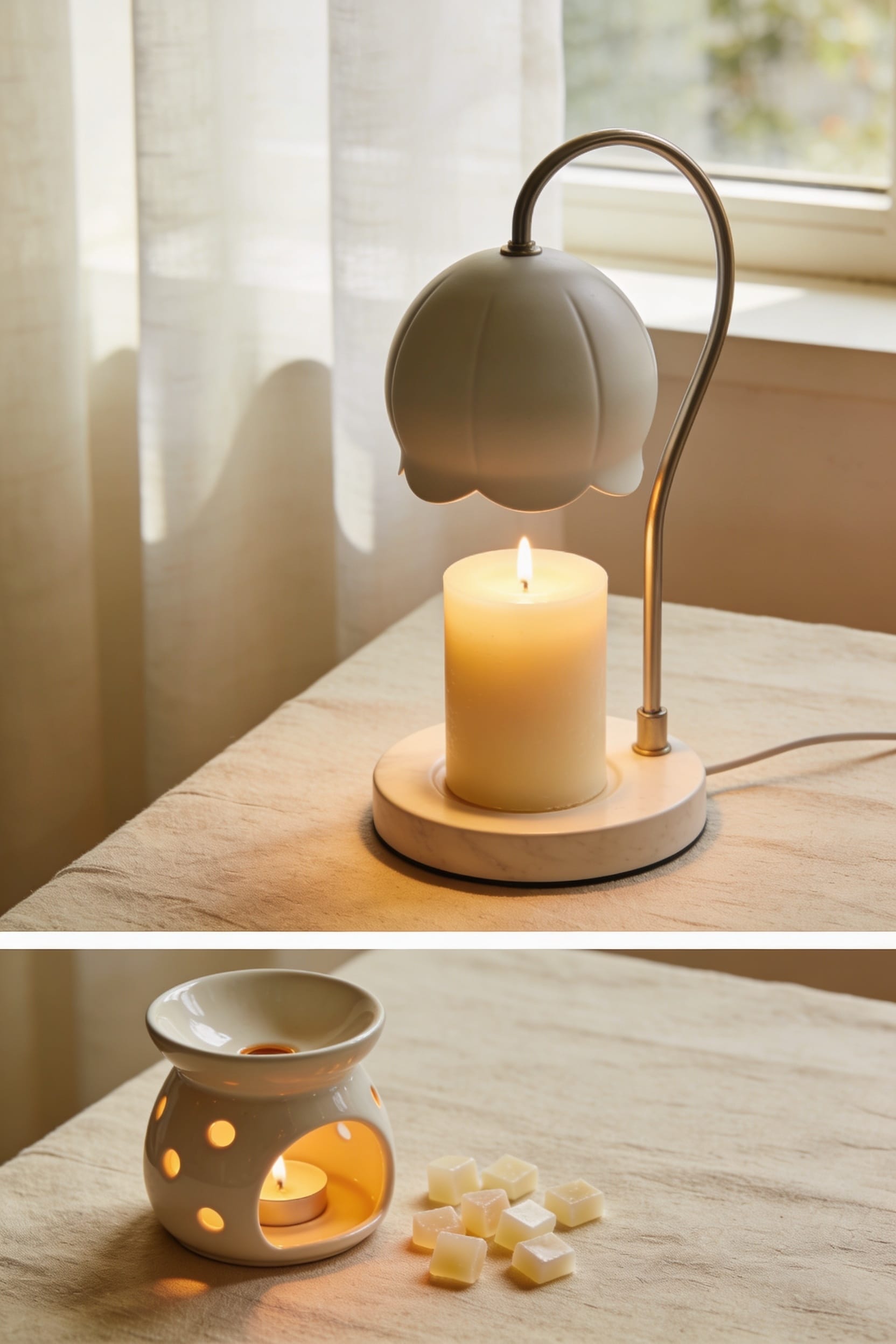
Candle Warmer Lamp vs. Wax Warmer: Key Differences Explained

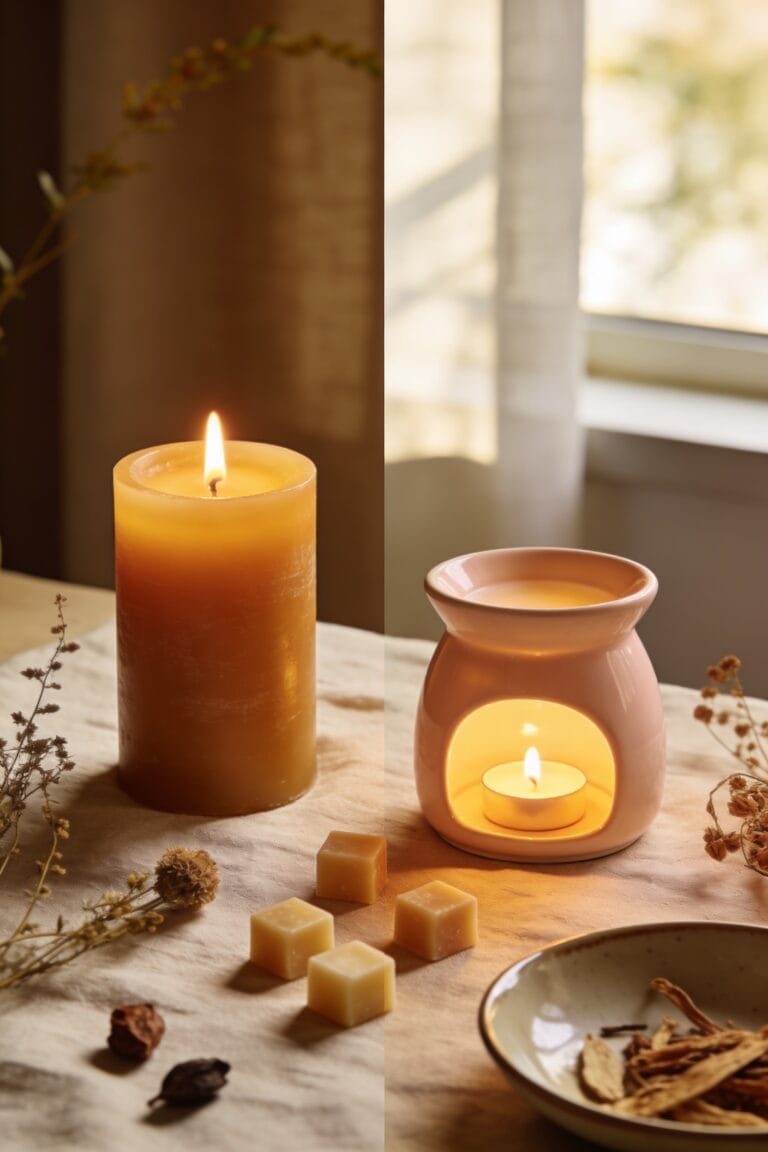
All right, here’s the thing: candle warmers heat indirectly through halogen bulbs or warming plates, creating gentler fragrance that builds slowly, while wax warmers use direct heating elements that melt wax cubes fast and fill your room with intense scent immediately. Upfront costs are similar, but wax melts cost way less over time than buying replacement candles. Warmers eliminate fire risk and soot entirely—your walls stay clean, your air stays better. Candle warmers need almost no maintenance; wax warmers require occasional tray cleaning. Stick around to figure out which one actually makes sense for your space and wallet.
Key Takeaways
- Wax warmers use direct heating for intense, immediate scent; candle warmers use indirect heating for gentler, longer-lasting fragrance.
- Wax melts cost two to three times less than candles, making wax warmers more cost-effective long-term.
- Candle warmers require minimal maintenance with sealed jars; wax warmers need regular tray cleaning between scent changes.
- Warmers eliminate fire risks and produce zero smoke, soot, or toxic fumes compared to burning candles.
- Both devices have similar upfront costs, but wax warmers offer cheaper refills and subscription options for ongoing savings.
Which Device Fits Your Space and Budget
When you’re standing in front of two different warming devices that both promise to fill your room with gorgeous fragrance, the decision often comes down to what you’re actually willing to spend—and what that money buys you over time. Here’s the thing: candle warmers and wax warmers cost roughly the same upfront, but candles run you two to three times more than wax cubes. You’ll want to weigh your placement aesthetics too—where these devices actually live in your space matters. Think about outlet accessibility near your favorite cozy spot. If you’re budget-conscious long-term, wax warmers win because refills are cheap. But if you’ve already got expensive candles collecting dust, a warmer maximizes what you’ve already bought. Your wallet decides this one.
Recommended Products

2-IN-1 Design: Upgraded dimmer box both manual dimmer knob control and expandable smart mode; connect separately sold Mars Hydro iConnectu/ iHub/ iControl controller to activate WiFi&Bluetooth Mars Hydro App remote control with schedule, sunrise/sunset dimming, auto-mode & grow recipes, and allows simultaneous operation of smart and regular grow lights

Safe, Realistic Glow for Any Space:No flames, no mess—just warm, dancing LED light that mimics real wax candles. Perfect for friendly homes, patios, or centerpieces. Waterproof design means outdoor use year-round!

Clean-Burning Oil Candles – Made in the USA: These oil votive candles are made with 100% liquid paraffin wax and pure cotton wicks, offering a cleaner, smokeless alternative to traditional wax candles. Enjoy a modern, elegant solution for table top lights that leave no soot, no mess, and no wax drips.
How Heating Methods Affect Scent Intensity
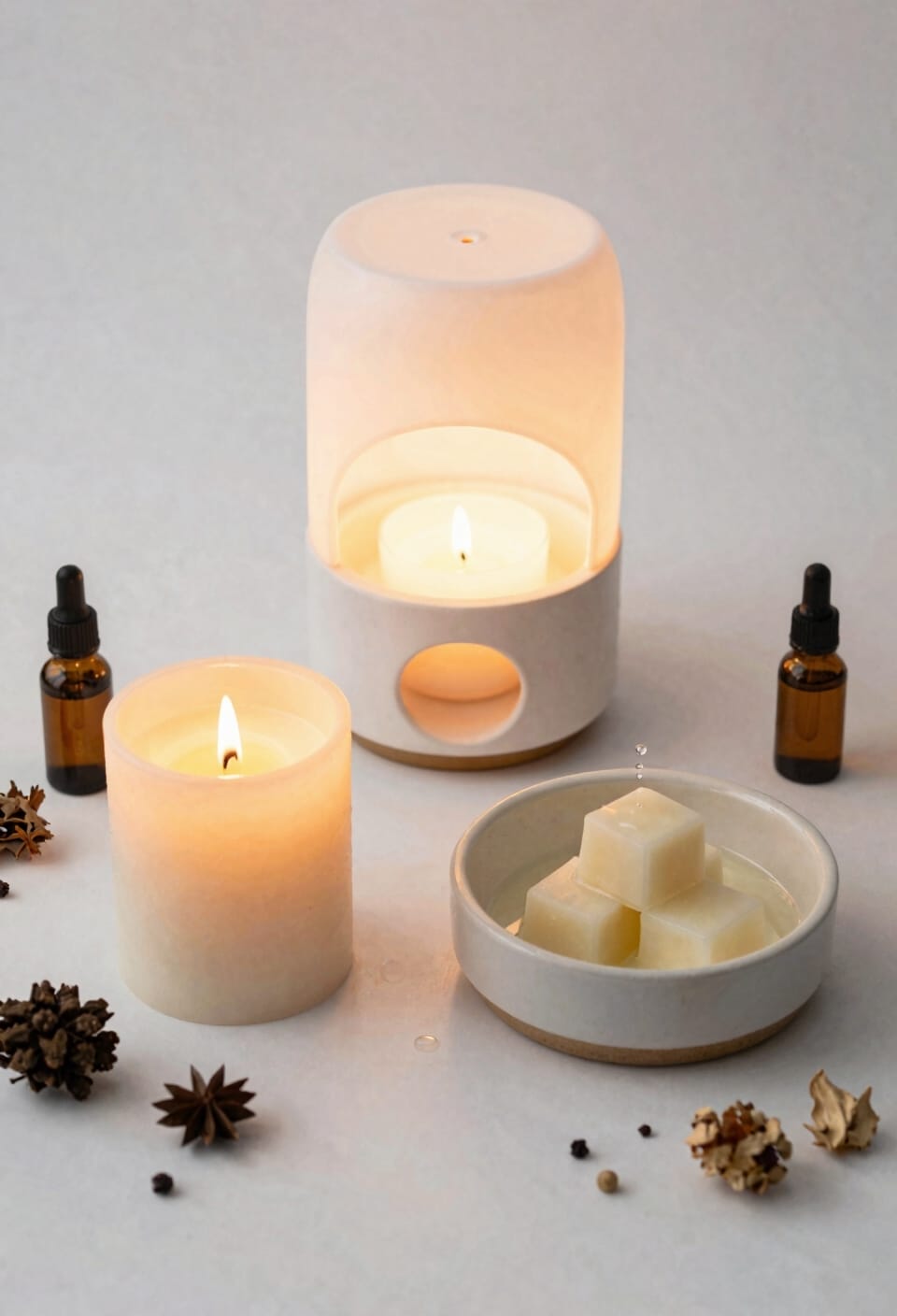
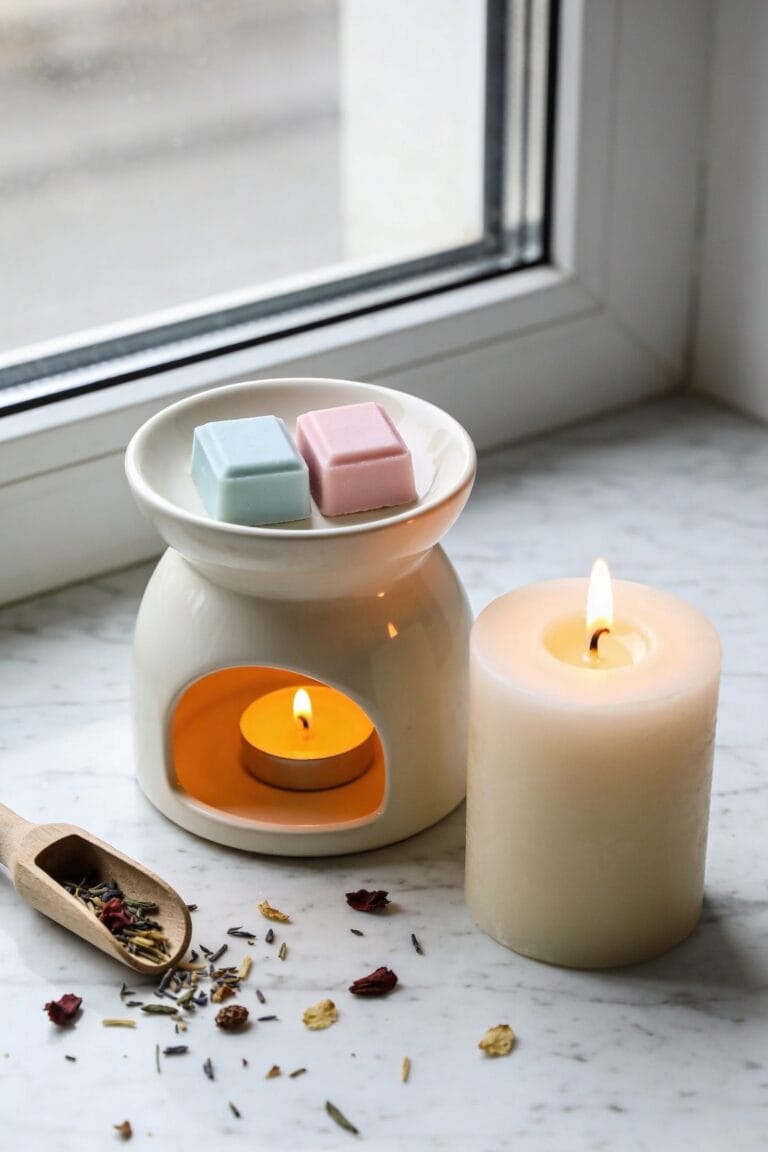
Now, wax warmers use direct heating elements that melt your wax cubes right there in the dish, no middle layers, no delays. You’re getting intense, immediate scent throw—that’s the fragrance reaching your nose—because the heat hits the wax fast and hard. Compare that to candle warmers, which rely on indirect methods like halogen diffusion from above or gentle bottom-up warming plates. That thermal gradient, the temperature difference across your melting wax, creates slower, subtler fragrance release. You’ll notice wax warmers fill a room quicker and stronger, while candle warmers offer a gentler, longer-lasting fragrance experience. Your choice depends on whether you want bold scent impact or something that doesn’t overwhelm you at 6 a.m.
Recommended Products

💧 AUTOMATIC DUAL FLUSH - Smart seat sensor that can choose between a small flush or a full flush, providing hands-free operation. (1.12 GPF / For 35 PSI)

INCLUDES - 300 Square Foot Electric Floor Warming CABLE 1200' Long (Consists of 2 cables that connect at thermostat) - WiFi LED Touch, Programmable, Radiant Floor Heating Thermostat with underfloor temperature sensor Model # UWG5-4999. This Thermostat is easy to operate, 120/240 Volts and rated for 16 Amps. - Installation Warning Monitor (alarm sounds if wire is damaged during installation)
INCLUDES - 200 Square Foot Electric Floor Warming Cable (800 Linear Feet) - 280 Square Feet of Heating Cable Uncoupling Membrane for Easy Installation - Digital, Programmable, Radiant Floor Heating Thermostat with underfloor temperature sensor Model # TH115-AF-240. This Thermostat is easy to operate, 240 Volts and rated for 16 Amps. - Installation Warning Monitor (alarm sounds if wire is damaged during installation)
Cost-Effectiveness: Wax vs. Candles Over Time
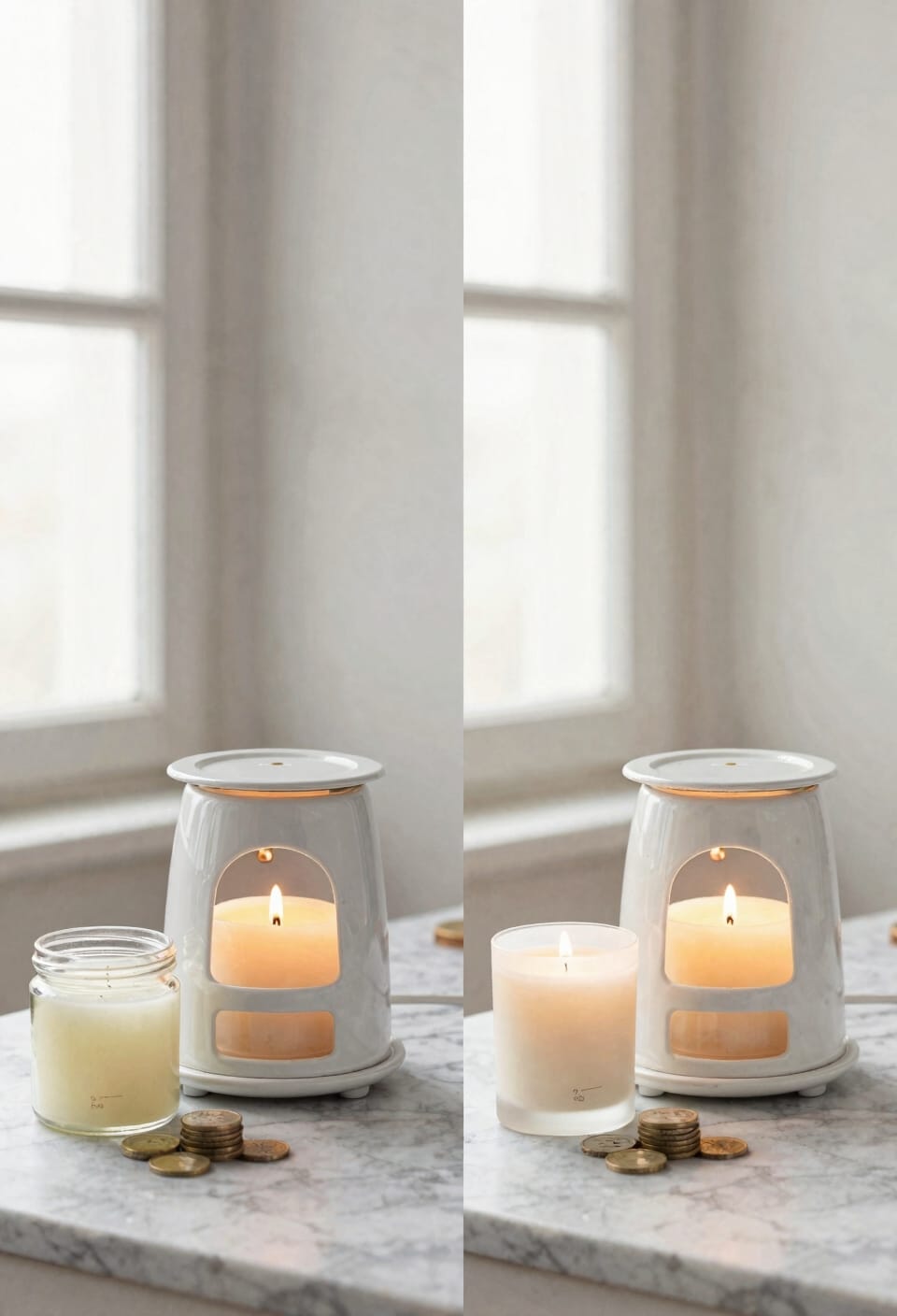
Tallying up what you actually spend on fragrance over a year might surprise you—and not in the champagne-wishes way. Here’s the thing: candles typically cost two to three times more than wax cubes, and that gap widens fast when you’re burning regularly. Wax warmers win the long game because wax melts are dirt cheap, especially when you explore bulk purchasing options online. I’ve seen subscription savings that’d make your wallet weep happy tears—seriously, some services deliver fresh cubes monthly for less than one premium candle. Even though both devices cost similar upfront prices, your ongoing expenses tell the real story. You’re not just buying fragrance; you’re investing in how long that fragrance actually sticks around. Wax warmers extend that value considerably.
Safety and Environmental Benefits Explained
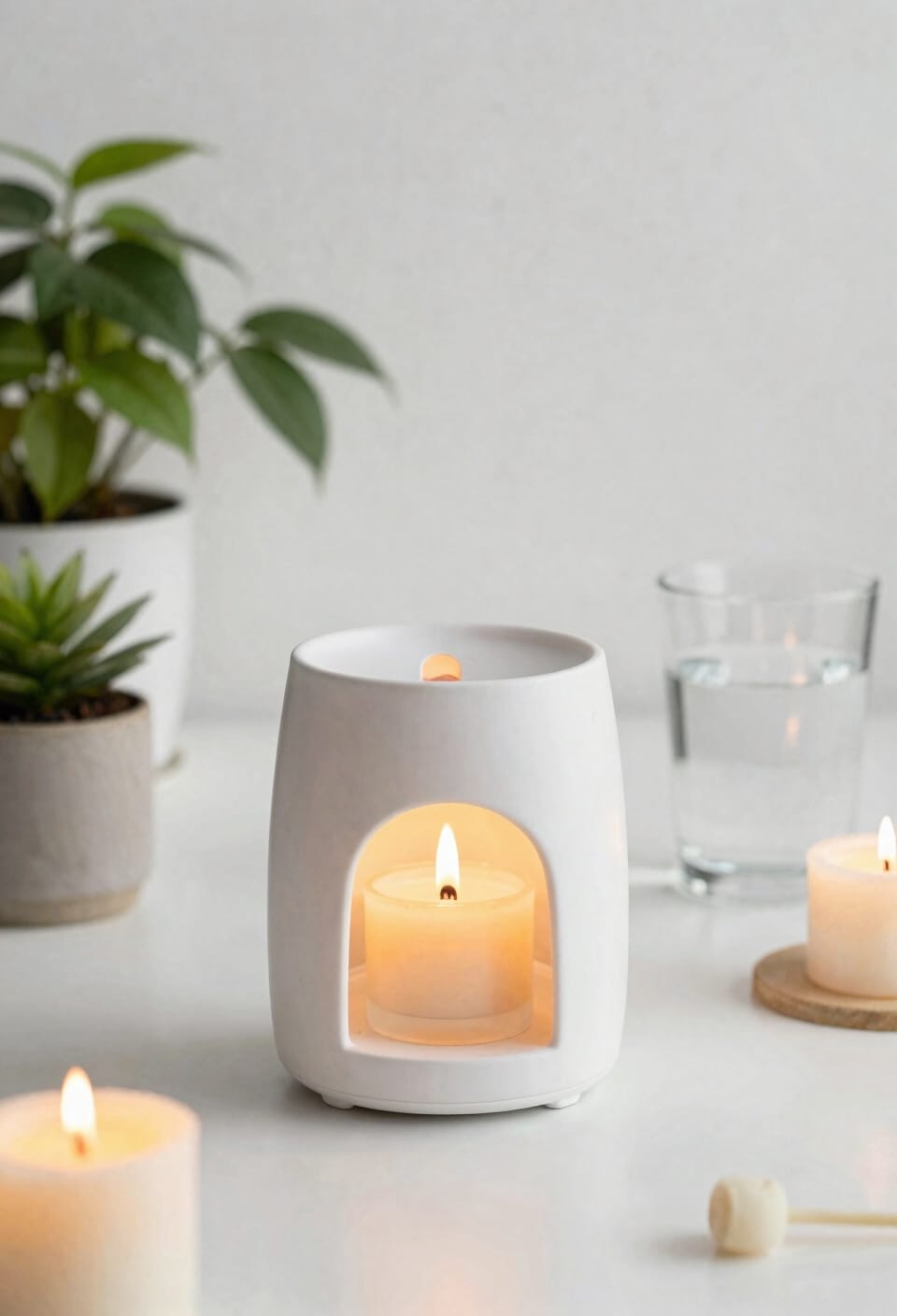
Because you’ve probably noticed that burning candles fills your room with a cozy glow and also, well, smoke—here’s where candle warmers and wax warmers genuinely shine. Both devices eliminate the fire risk that comes with open flames, which means you’re not playing with actual danger while you’re scrolling your phone. Here’s the thing: burning candles creates soot and toxic fumes that damage your indoor air quality over time. That black stuff on your ceiling? Yeah, that’s not aesthetic. Warmers produce zero smoke, zero soot, and zero residue on your walls or furniture. Your lungs will thank you. Wax melts also require smaller quantities, making disposal easier once they’ve exhausted their fragrance. It’s a win for your home and the environment.
Recommended Products

100% Pure Beeswax Candle: Hand-poured from naturally filtered beeswax for a rich, golden glow. These clean burning candles are free from paraffin, soy, and synthetic fragrances. Each 1-wick dripless pillar candle features natural cotton candle wicks and pure candle wax for a long-lasting burn and warm, cozy candle light.

ILLUMINATE PERFECT MOMENTS: Elevate your candlelight service, wedding, or first communion with our 6.5" x 1/2" white prayer candles. Perfect for centerpieces, our white candle is ideal for religious ceremonies, Shabbat, and devotional settings, providing a serene glow for any altar supplies or table.
Festival of Lights - Enhance your Hanukkah celebration with these Supreme quality hand made Hanukkah Candles, for a striking illumination of light. 45 Quality wax majestic Tri Color Candles made in Turkey. Brighten up the long Hanukkah nights with our exceptional, long and majestic candles.
Maintenance and Real-World Usability
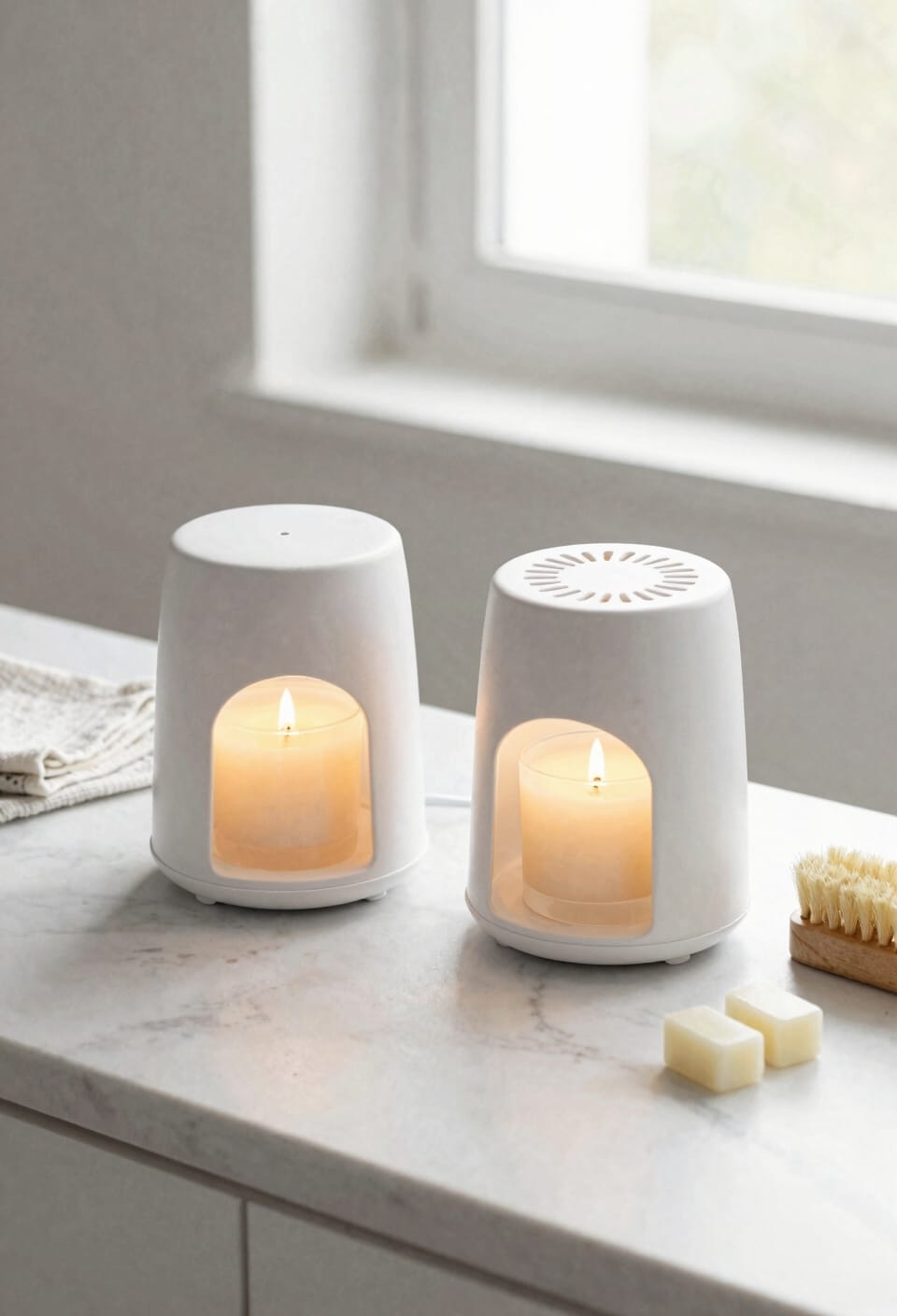
When it comes to keeping your setup running smoothly, candle warmers and wax warmers live in totally different universes. Candle warmers? Practically zero maintenance. You flip the switch and forget about it—the jar stays sealed, nothing spills, and your tray durability isn’t even a concern since there’s minimal contact happening.
Wax warmers demand more from you. That tray needs cleaning between batches, especially if you’re switching scents. Leftover residue builds up, and cleaning frequency depends on how often you rotate your wax melts. It’s not hard work, but it’s work. Think of it like this: candles are the low-effort friend, wax melts are the high-maintenance roommate who leaves dishes in the sink. Both work great—you just need to know what you’re signing up for.
Frequently Asked Questions
Can I Use Wax Melts in a Candle Warmer or Candles in a Wax Warmer?
I’d advise against using melts in candle warmers or candles in wax warmers. Melt composition differs considerably, affecting candle safety. Each device’s heating method suits its specific product, ensuring proper scent layering and preventing damage.
How Long Do Wax Warmers and Candle Warmers Typically Last Before Needing Replacement?
I’d say both devices enjoy graceful longevity, typically lasting 2-5 years depending on lifespan factors like usage frequency and heating element quality. Regular maintenance tips—cleaning dishes and checking bulbs—help extend their golden years considerably.
What’s the Ideal Room Size for Effective Fragrance Distribution From Each Device?
I’d recommend candle warmers for small rooms where their subtle fragrance release works best, while wax warmers suit larger spaces since they’re stronger. You’ll notice the difference in scent intensity based on your room’s size.
Are Candle Warmers and Wax Warmers Energy Efficient Compared to Burning Candles?
You can’t have your cake and eat it too, but you can save energy doing so. I’d say both warmers consume less electricity than burning candles, extending scent longevity while reducing energy waste considerably.
Can You Mix Different Scents or Add Essential Oils to Wax Melts?
I’d recommend caution when mixing scents or adding essential oils to wax melts. Combining fragrances requires careful consideration of mixing safety to avoid chemical reactions. Scent layering works best with complementary wax products specifically designed for blending.
Conclusion
Look, I’d’ve told you this back in 1987 if I’d owned either device: pick what matches your lifestyle. You want convenience and lower heat? Grab a warmer. You’re after that authentic candle flicker and don’t mind the occasional wick trim? Stick with traditional burning. Neither’s wrong—they’re just different paths to the same cozy, fragrant destination. Choose yours and stop second-guessing yourself.